

In an advertising ecosystem choked with the frantic rhetoric of hustle culture, optimized productivity, and relentless self-improvement, Cadbury 5 Star executed one of the most counterintuitive positioning plays in contemporary FMCG history. While legacy confectioners raced to tie chocolate bars to energy boosts, social celebrations, or curated breaks, Mondelez India and Ogilvy turned an indulgence into a rebellion: the radical, unapologetic art of doing absolutely nothing.
What started decades ago as a lighthearted gag about chocolate-induced amnesia has mutated into a sharp cultural philosophy. 5 Star transformed a potential marketing vulnerability—a chewy, time-consuming chocolate bar that forces you to pause chewing—into an anti-ambition anthem tailored for an overworked, digitally fatigued demographic. By engineering stunts that leveraged app interfaces, guerrilla tech, cricket culture, and sheer conceptual indolence, 5 Star stopped merely competing for shelf space and began commanding cultural whitespace.
The Evolution: From “Jo Khaaye Kho Jaaye” to Counter-Culture Apathy
The 2006 Ramesh-Suresh Era: Amnesia and Zoning Out
To understand the audacity of 5 Star’s modern positioning, one must first look back at the campaign architecture that built its nationwide brand recall: the iconic Ramesh and Suresh chronicles. Conceived in the mid-2000s under the tagline “Jo Khaaye Kho Jaaye” (Whoever eats it gets lost), the creative territory was anchored in immediate, situational disassociation.
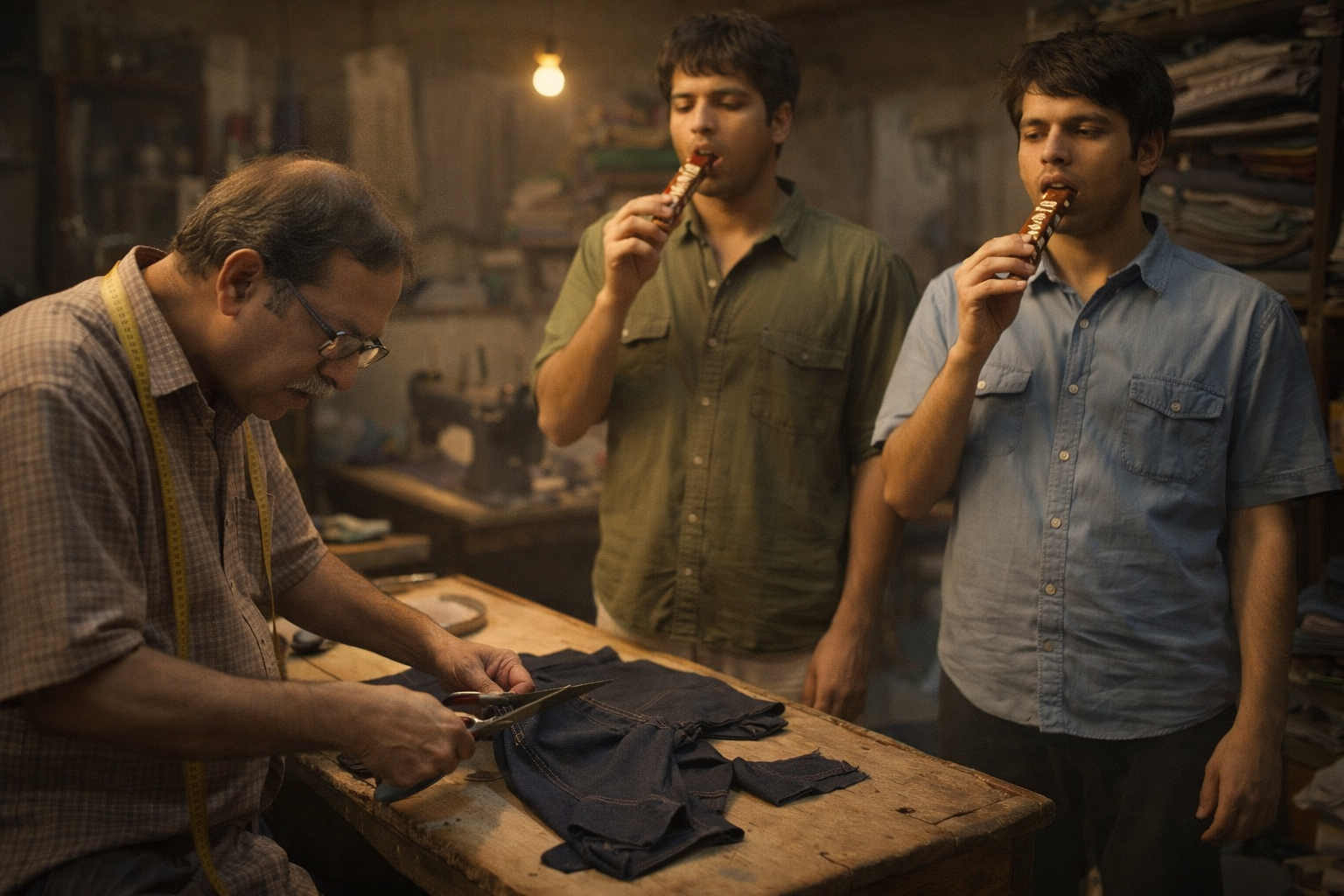
Ramesh and Suresh were two bumbling, identical twin-like archetypes whose defining characteristic was short-term memory loss induced by the chewy, caramel-nougat density of a 5 Star. A single bite would catapult them into complete mental stasis. They would absent-mindedly get their heads shaved at a barber shop twice, wander into stranger’s homes, buy oversized clothes, or forget their own names.
+-------------------------------------------------------------+
| 2006–2018: Situational Amnesia                              |
| * Characters: Ramesh & Suresh                               |
| * Concept: "Jo Khaaye Kho Jaaye"                            |
| * Emotional Core: Slapstick, mindless distraction           |
+-------------------------------------------------------------+
                              │
                              ▼
+-------------------------------------------------------------+
| 2019–Present: Cultural Philosophy                           |
| * Characters: The Overstimulated Consumer                   |
| * Concept: "Eat 5 Star, Do Nothing"                         |
| * Emotional Core: Radical rest, anti-hustle rebellion       |
+-------------------------------------------------------------+
The Ramesh-Suresh universe operated as slapstick comedy, framing chocolate indulgence as a momentary suspension of rational thought. It was wildly successful, ingraining 5 Star into Indian pop culture for over a decade. Yet, by 2018, the formula had plateaued. The creative construct was inherently insular; it lived inside a comedic bubble rather than commenting on the actual psychological reality of its consumer base. The amnesia gag was an extrinsic plot device, not a lived human truth.
The 2019 Pivot: Codifying “Eat 5 Star, Do Nothing”
In late 2019, Mondelez India and Ogilvy executed a profound pivot. They discarded the character-driven amnesia narrative and zoomed out to observe the consumer’s lived reality. The tagline evolved into “Eat 5 Star, Do Nothing” (“Kabhi Kuch Na Karke Dekho”).
This was not just a clever copywriting tweak; it was an ontological shift:
- From passive confusion to active choice: Ramesh and Suresh lost control accidentally; the modern consumer was invited to deliberately opt out of effort.
- From clownish absurdity to lifestyle manifesto: The bar ceased to be an agent of silly amnesia and became an alibi for mental stillness.
- From product-centric storytelling to mood-centric marketing: As broken down in strategic analyses across All Marketing Updates, 5 Star stopped merely selling sugar, caramel, and chocolate; they began selling an emotional mood—rescuing the nearly extinct human state of taking a breather without guilt.
Resonating with Overworked Gen Z and Millennial Audiences
The pivot landed squarely in the crosshairs of generational burnout. The late 2010s and early 2020s marked the peak of performative productivity. Gen Z and millennial consumers found themselves trapped in a grinder of 70-hour workweek debates, startup grindsets, crypto-trading frenzies, continuous algorithmic optimization, and the relentless pressure to turn personal hobbies into monetized side hustles.


Every consumer brand told youth to run faster, wake up earlier, stay hungrier, and conquer the world. Into this hyper-caffeinated, exhausting landscape stepped 5 Star with a simple, blasphemous counter-proposal: Stop. Sit down. Chew slowly. Do nothing.
By validating exhaustion and stripping away the moral guilt associated with indolence, 5 Star became an unlikely ally. The brand did not patronize youth with hollow motivational jargon; it met them on the couch in their sweatpants, offering solidarity in the quiet pleasure of non-participation.
The Initial Backlash & The Strategic Pivot
The 2019 “Old Lady & Piano” Ad: The Backlash
The journey to mastering this counter-culture apathy was far from smooth. When Mondelez rolled out the initial flagship television commercial for the “Do Nothing” proposition in late 2019, it met immediate and fierce resistance.
The commercial featured a young protagonist sitting on a park bench, chewing a 5 Star. Nearby, an elderly woman drops her walking stick, calling out for someone to pick it up. The boy, thoroughly engrossed in his 5 Star, chooses to “do nothing.” As the old woman bends down to pick up the stick herself, a runaway grand piano plummets from a crane above, crashing directly into the spot where she was standing a second earlier. The ad concluded that the protagonist’s lazy refusal to help had, by sheer accident, saved the woman’s life—concluding with a celebratory call to Eat 5 Star, Do Nothing.
The public reaction was swift and polarized:
- The Accusation: Critics on social platforms and consumer forums slammed the ad as tone-deaf, morally bankrupt, and an endorsement of civic apathy and disrespect toward senior citizens.
- The Cultural Friction: In an Indian cultural context deeply rooted in familial deference, community collectivism, and helping elders, celebrating a young man ignoring an old lady in distress struck many viewers as crude and irresponsible.
- The Brand Crisis: Industry analysts openly questioned whether Ogilvy had pushed the envelope too far, turning what was supposed to be a comedic posture into an antisocial red flag.
How Ogilvy & Mondelez Calibrated the Message
Lesser brand teams would have panicked, pulled the campaign, issued a standardized apology, and retreated to the safe, generic tropes of chocolate marketing. Mondelez and Ogilvy did neither. Instead of abandoning the core insight, they refined the execution.
They dissected the backlash and identified the root cause of the discomfort: the stakes. The piano commercial tied “doing nothing” to external, real-world civic duty and human welfare, making indolence look callous. The brand needed to pivot the stasis inward.
+------------------------------------+-------------------------------------+
| What Went Wrong (2019 Launch)     | How It Was Refined (Post-2020)      |
+------------------------------------+-------------------------------------+
| External apathy towards others     | Internal sanctuary for oneself      |
| Passive-aggressive indifference    | Absurdist self-deprecation          |
| Real-world moral consequences      | Mocking societal hyper-productivity |
| Perceived cruelty / Disrespect     | Playful, harmless digital rebellion |
+------------------------------------+-------------------------------------+
Subsequent iterations deliberately shifted context:
- Targeting Absurd Pressures: Instead of ignoring real humans in need, the characters ignored modern, artificial, self-imposed obligations—hyper-demanding bosses, forced festive celebrations, algorithmic consumerism, and awkward social pleasantries.
- Embracing Harmless Self-Deprecation: Indolence was portrayed not as superiority, but as a cozy, harmless coping mechanism.
- Establishing the “Pause”: The brand repositioned “doing nothing” from callous neglect to taking a necessary mental break before burnout catches up with you.
By clarifying that the campaign was an assault on performative productivity rather than human empathy, 5 Star transformed an initial brand stumble into a springboard for cultural disruption.
Growth-Hacking Stunts That Cost Zero Media Spend
Rather than simply plastering India with standard billboards and repetitive TV commercials, Cadbury 5 Star operationalized “doing nothing” into tactical, media-agnostic brand activations. The team realized that if your brand positioning is radical indolence, your marketing executions should cheekily simulate the exact same thing. For teams looking to dissect unconventional brand interventions, exploring guerrilla advertising case studies reveals how subverting familiar physical and digital environments consistently generates massive organic reach.
┌─────────────────────────────────────────────────────────────────────────┐
│                     THE 5 STAR INDOLENCE MATRIX                         │
└─────────────────────────────────────────────────────────────────────────┘
                                     │
         ┌───────────────────────────┼───────────────────────────┐
         ▼                           ▼                           ▼
┌──────────────────┐       ┌──────────────────┐       ┌──────────────────┐
│  UI HIJACKING    │       │ DIGITAL CURRENCY │       │ CULTURAL SATIRE  │
│  (#5Stars        │       │ (NothingCoin)    │       │ (Valentine's &   │
│   Everywhere)    │       │                  │       │ Third Umpire)    │
│                  │       │                  │       │                  │
│ Free media via   │       │ Mined by phone   │       │ Alibis & 12-ft   │
│ app review stars │       │ inactivity       │       │ stasis statues   │
└──────────────────┘       └──────────────────┘       └──────────────────┘
#5StarsEverywhere: Hijacking the Digital UI
In one of the most celebrated growth-hacks in modern advertising, 5 Star addressed a universal brand problem: media inflation. Media space across television, print, and programmatic digital channels is obscenely expensive. 5 Star’s solution was to execute a redesign that turned every app on a consumer’s phone into a free 5 Star advertisement.
The mechanics were brilliantly simple:
- The brand stripped down its wrapper packaging, rendering the logo as five simple, universally recognizable golden star icons.
- The team launched a campaign pointing out that every single modern application—Google Maps, Uber, Zomato, Swiggy, Amazon, the Apple App Store, and Google Play—features a five-star rating scale.
- 5 Star argued that every time a consumer looked at a 5-star rating on an app review screen, food delivery page, or ride-hailing receipt, they were viewing a Cadbury 5 Star ad.
- They ran satirical communications “thanking” tech giants for giving them billions of impressions without charging a single rupee of media spend.
By turning the user interfaces of billion-dollar tech companies into their personal digital billboard network, 5 Star subverted traditional media metrics. The stunt generated millions of impressions across LinkedIn, Instagram, and Reddit, earning organic reach by hacking the visual habits of modern smartphone users.
NothingCoin: Proof-of-Work Meets Radical Laziness
During the peak of the cryptocurrency craze—when everyone from venture capitalists to high school students was obsessing over crypto-mining rigs, NFTs, and volatile tokens—5 Star launched NothingCoin.
While traditional cryptocurrencies like Bitcoin required massive computational power, electricity, and relentless machine effort, NothingCoin was mined through total inactivity:
- The Inactivity Engine: Users downloaded a dedicated web application and activated the miner.
- The “Proof-of-Work”: The app continuously tracked the user’s phone sensors. As long as the phone lay completely untouched, face-down on a flat surface, the user mined NothingCoins. The second the user picked up the phone, unlocked the screen, or shifted the device, the mining paused.
- Real-World Value: Mined NothingCoins could be redeemed at a dedicated digital “NothingStore” for food, apparel, merchandise, and retail coupons through brand tie-ups (such as JioMart).
To close the loop, 5 Star opened a physical “NothingStore” in Mumbai. Consumers could walk in, recline on beanbags, sit still doing nothing to accumulate coins, and walk out with snacks and gear. It transformed crypto culture into a physical, playful parody of hustle economics.
Expanding the “Do Nothing” Canvas: From Valentine’s Day to Cricket’s Third Umpire
The brand consistently leveraged high-stress cultural moments to demonstrate the quiet utility of doing nothing.
The Anti-Valentine’s Movement & “Nothing University”
Valentine’s Day has long been co-opted by commercial brands pushing elaborate date nights, expensive gifts, and performative romantic displays. For single people—and couples fatigued by consumerism—the holiday represents peak social pressure.
5 Star targeted this anxiety through deliberate counter-programming:
- The Alibi Campaigns: The brand ran campaigns offering singles bulletproof excuses to skip romantic nonsense, including satirical declarations of “My Cousin’s Wedding” to dodge social plans entirely.
- The “Do Nothing” Cruise: 5 Star chartered a private yacht to sea on February 14, exclusively populated by singles who were explicitly prohibited from socializing, dating, or mingling—they were fed 5 Star bars and encouraged to stare blankly into the ocean.
- Nothing University: In an era where online education platforms continuously marketed coding boot camps, prompt engineering certificates, and career advancement, 5 Star established a spoof online academy that issued accredited certifications in doing nothing, teaching modules on avoiding eye contact in office hallways and dodging chores.
The Third Umpire and the 12-Foot Marine Drive Monument
Nowhere is Indian national scrutiny more intense than in cricket, where players run, dive, bowl, and sweat under relentless pressure. Yet 5 Star identified the single individual on the field who embodies the ultimate strategic stasis: the Third Umpire.
While players exhaust themselves in the midday heat, the third umpire sits in an air-conditioned control room, moving only when called upon, rarely moving a muscle, yet exercising the most decisive authority on the pitch.
5 Star signed the Third Umpire as the newest brand ambassador for the “Do Nothing” campaign, deploying a 360-degree campaign across television, social media, and Disney+ Hotstar. To cement the conceptual absurdity, they installed a massive 12-foot holographic statue of the seated umpire along the bustling pedestrian strip of Marine Drive in Mumbai.
The holographic statue did not wave, dance, run promotional trailers, or interact with pedestrians. In pure 5 Star fashion, it simply sat there, tranquil and still, doing absolutely nothing in the middle of India’s most hyperactive metropolis. The sheer conceptual weirdness of a static, 12-foot hologram doing nothing stopped commuters in their tracks, driving viral earned media as pedestrians documented the statue across social feeds.
+------------------------------------+-------------------------------------+
| Tactical Stunt                     | Cultural & Growth-Hack Mechanism    |
+------------------------------------+-------------------------------------+
| #5StarsEverywhere                  | Hijacked app rating review systems  |
| NothingCoin                        | Monetized physical phone inactivity |
| Anti-Valentine Campaigns           | Offered absurd social alibis        |
| Third Umpire & Marine Drive Statue | 12-ft monument to cricket stasis    |
+------------------------------------+-------------------------------------+
4. Brand Differentiation: 5 Star vs. The Confectionery Market
The confectionery market in India is deeply crowded and fiercely competitive. What makes 5 Star’s positioning an FMCG case study is how precisely it maps around its rivals. Instead of fighting for existing emotional brand territories, 5 Star carved out its own distinct consumer posture. To see how sensory connection anchors brand differentiation across consumer markets, explore our deep dive on why emotional and experiential marketing define consumer behavior.
| Brand | Core Value Proposition | Emotional Territory | Consumption Occasion |
| Cadbury 5 Star | Pure, Unapologetic Personal Escape | Radical rest, humor, anti-hustle rebellion | Solitary stasis, checking out from work/life |
| Cadbury Dairy Milk | Celebration & Emotional Bonding | Collective warmth, family joy, romantic tenderness | Festivals, family gatherings, milestones (“Kuch Meetha Ho Jaaye”) |
| Snickers (Mars) | Productivity Fuel & Functional Relief | Irritability resolution, energy replenishment | Midday functional hunger, performance recovery (“You’re Not You When You’re Hungry”) |
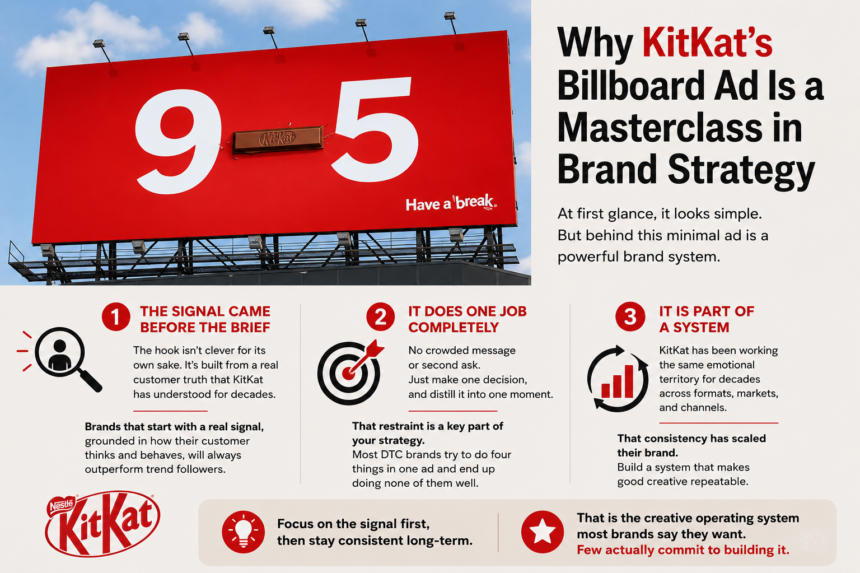
| Nestlé KitKat | Structured, Cultured Relaxation | Mindful pause, social conversation, brief reboot | Coffee breaks, study breathers, structured intervals (“Have a break, have a KitKat”) |
Dairy Milk: The Warm Collectivist Standard
Cadbury Dairy Milk is the crown jewel of Mondelez India, rooted in cultural integration and collective celebration. Whether celebrating an exam result, lighting up Diwali, or sharing a bar with a partner, Dairy Milk is wholesome, sentimental, and communitarian.
5 Star could never survive by mimicking Dairy Milk’s earnest goodness. By running in the exact opposite direction—individualistic, absurdist, slightly disobedient, and solitary—5 Star ensures that Mondelez owns both emotional poles of the Indian chocolate market: warm collectivism on one end, and irreverent individual sanctuary on the other.
Snickers: The Functional Hunger Antidote
Snickers approaches confectionery from a functional, performance-oriented angle. Its messaging is clear: hunger turns you into a weak, irrational version of yourself, hindering your ability to perform. Snickers positions its peanuts and caramel as quick fuel to get you back into the game and functioning at full capacity.
5 Star rejects the idea of functional recovery entirely. Snickers wants you back in the arena; 5 Star asks why you entered the arena in the first place. Where Snickers sells fuel for productivity, 5 Star sells permission for indulgence without an agenda.
KitKat: The Curated, Structured Break
KitKat’s “Have a break, have a KitKat” is one of the most successful advertising taglines in history. But KitKat’s break is fundamentally structured, respectable, and polite. It is the five-minute coffee break in the office pantry, the short breath between study chapters before you resume work.
5 Star’s “Do Nothing” is not an orderly, well-mannered break designed to make you more productive afterward. It is uncurated, chaotic indolence. KitKat gives you a break to refresh; 5 Star gives you a break to disengage. This subtle distinction is precisely where 5 Star found its youth audience.
Strategic Takeaways for Modern Brand Builders
The trajectory of Cadbury 5 Star offers foundational lessons for brand strategists, founders, and creative directors navigating noisy consumer markets. For more industry breakdowns and campaign teardowns, visit the Advertising & Strategy archives on All Marketing Updates.
1. When Competitors Shout Louder, Silence and Under-Promising Create Cut-Through
Most modern advertising suffers from a disease of hyperbolic ambition. Automobile brands claim to unlock your destiny; sneaker companies claim to reveal your inner greatness; beverage brands promise adrenaline and self-actualization.
HYPERBOLIC COMPETITION                5 STAR'S STRATEGY
┌─────────────────────────┐           ┌─────────────────────────┐
│  "Unleash Your Power"   │           │                         │
│  "Hustle Harder"        │   VS.     │   "Eat 5 Star,          │
│  "Be Unstoppable"       │           │    Do Nothing."         │
│  "Conquer Tomorrow"     │           │                         │
└─────────────────────────┘           └─────────────────────────┘
   (Deafening Brand Noise)               (Refreshing Realism)
When every brand makes monumental, exhausting promises, under-promising becomes a superpower. 5 Star does not promise that chewing its bar will make you smarter, faster, popular, or more successful. It promises you a few moments of complete, caramel-filled pointlessness. In an age of corporate posturing, aggressive honesty and profound under-promising register as refreshingly authentic.
2. Embrace Calculated Narrative Risks Over Bland Corporate Safety
When the initial 2019 launch campaign ran into vocal internet backlash, typical corporate instincts would have dictated terminating the concept and retreating to the familiar territory of generic friendship or family happiness.
Mondelez demonstrated that great brand building requires separating the execution from the strategic insight. The insight—that consumers are exhausted by performative hustle and desire permission to pause—was sound. The execution—an old lady dodging a falling piano—was simply miscalibrated. By preserving the strategic core while shifting the creative arena toward modern systemic pressures (dating culture, UI ratings, crypto craze, cricket pressure), the brand turned early friction into lasting equity. Brands must learn to endure short-term creative volatility to claim long-term cultural territory.
3. Guerrilla Hacks Can Outperform Multi-Crore Media Budgets
In FMCG marketing, category incumbents regularly lean on massive capital deployment—buying out cricket broadcast slots, booking front-page newspaper spreads, and running brute-force retail promotions. 5 Star demonstrated that a concept tightly aligned with consumer psychology can outmaneuver deep-pocketed media plans.
- By linking its visual identity to five-star review icons, they hijacked the interface of the modern app economy.
- By turning phone inactivity into a digital minting protocol through NothingCoin, they turned laziness into a gamified participation mechanic.
- By placing an entirely stationary holographic third umpire on a pedestrian promenade, they challenged the notion that an activation must be noisy to capture attention[cite: 1].
Guerrilla product-marketing hacks cost a fraction of mainstream television schedules, yet they generate outsized earned media because they give consumers a punchline to share[cite: 1].
4. Align Product Mechanics Directly with Cultural Truths
At its core, a 5 Star is a uniquely dense, chewy chocolate bar. It cannot be consumed in a hurry; it requires genuine masticatory commitment. Eating a 5 Star forces a slow down simply because you cannot easily speak, swallow, or rush while eating it.
The genius of Ogilvy’s strategy was taking an intrinsic physical characteristic of the chocolate and elevating it into a cultural metaphor. The chewiness of the product forces a pause; the campaign turned that pause into an act of everyday rebellion. When a brand’s tangible product experience aligns seamlessly with its high-level cultural philosophy, marketing stops being a superficial layer of storytelling and becomes a fully integrated product truth.
Through a steady commitment to this radical posture, Cadbury 5 Star pulled off the ultimate FMCG paradox: by encouraging the entire country to do absolutely nothing, they built one of the most commercially and creatively active brand narratives in Indian advertising history.
Sources
- All Marketing Updates: How Cadbury 5 Star Turned Doing Nothing into One of India’s Most Iconic Ads
- Notebook Source 1: Cadbury 5 Star Third Umpire & Marine Drive Hologram Campaign Breakdown
- Notebook Source 2: Strategic Perspective on 5 Star’s Anti-Hustle Positioning & Mood Selling by Amar Singh / Sand Strategies