

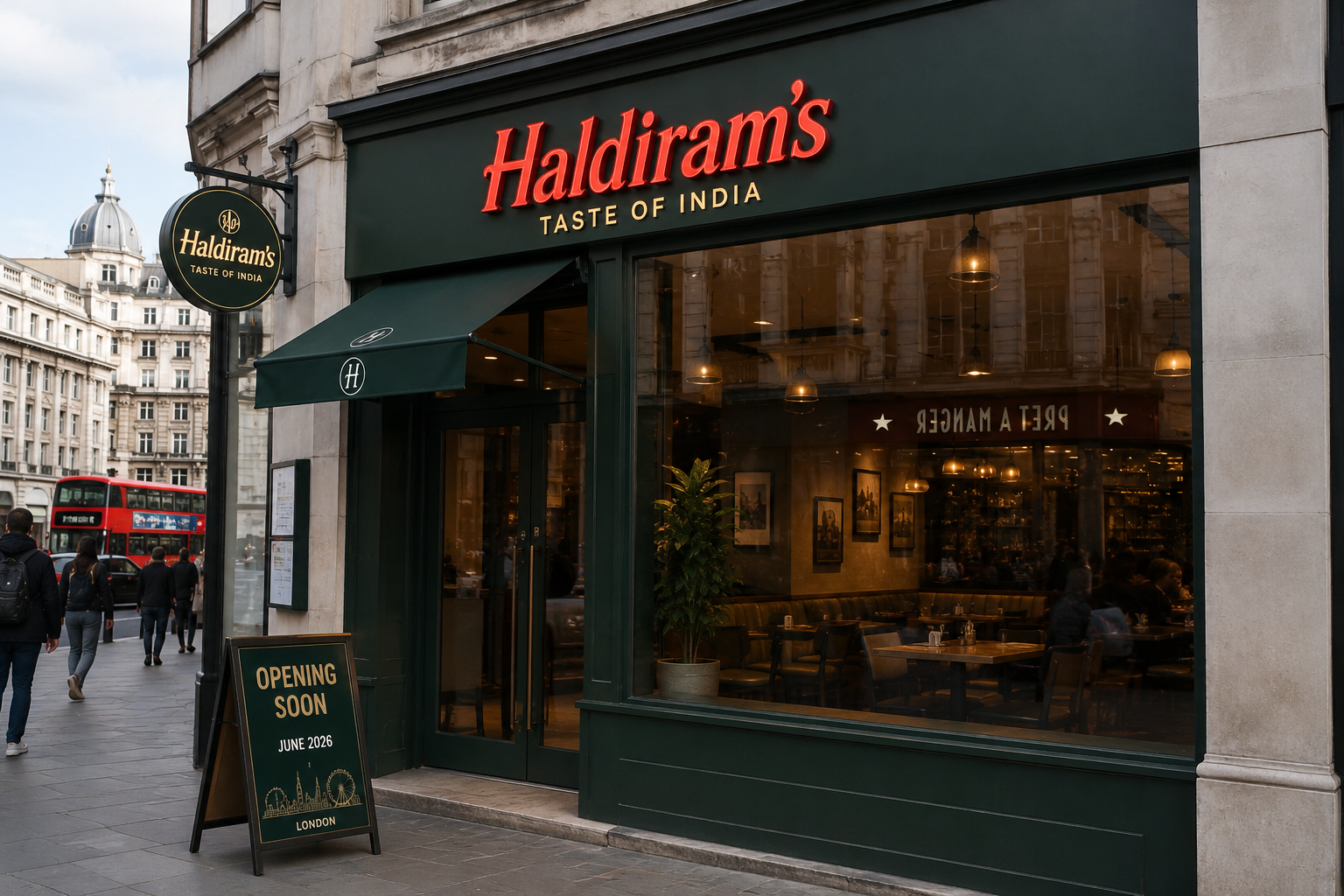
When a legacy consumer enterprise transitions from shelf-stable exports to prime high-street hospitality, the strategic stakes multiply exponentially. Haldiram’s—an ethnic snack and quick-service restaurant (QSR) powerhouse founded in 1937 in Bikaner, Rajasthan—has executed one of the most closely watched international moves in modern food and beverage (F&B) retail. Moving past its decades-long model of exporting packaged bhujia, namkeen, and ambient sweets to international supermarkets, the brand opened a flagship 110-seat dining establishment in the heart of London’s Leicester Square.
Valued at upwards of ₹90,000 crore (approximately $10.8 billion) with institutional backing from international venture funds holding a 5% to 10% equity stake, Haldiram’s is no longer merely a domestic staple. It is executing a sophisticated Advertising & Strategy framework designed to position the brand directly alongside multinational fast-casual titans like McDonald’s, Subway, Burger King, Domino’s, and KFC.
This comprehensive case study evaluates Haldiram’s UK market entry, investigating:
- The strategic rationale for selecting Leicester Square over traditional diaspora enclaves like Southall or Wembley.
- The operational transition from an FMCG packaged goods manufacturer to a front-of-house hospitality brand.
- The unit economics, real estate realities, and pricing architecture necessary to survive London’s West End.
- Supply chain configurations, regulatory compliance with the UK Food Standards Agency (FSA), and international brand elasticity.
+-----------------------------------------------------------------------------------+
|                            HALDIRAM'S BRAND EVOLUTION                             |
|                                                                                   |
|  [1937] Tiny savouries shop founded by Ganga Bishan Agarwal in Bikaner  |
|                                         │                                         |
|                                         ▼                                         |
|  [Post-1980s] Delhi hub established at Chandni Chowk; retail QSR formats|
|                                         │                                         |
|                                         ▼                                         |
|  [1993–2016] Global FMCG export powerhouse; West London packaging hub  |
|                                         │                                         |
|                                         ▼                                         |
|  [2020s] Middle East full-service operations established in Dubai       |
|                                         │                                         |
|                                         ▼                                         |
|  [Flagship Launch] 110-seat restaurant opens in Leicester Square, London|
+-----------------------------------------------------------------------------------+
Brand Heritage and Corporate Evolution (1937–Present)
From Bikaner Small-Scale Retail to Pan-Indian Dominance
Haldiram’s origin traces back to 1937, when Ganga Bishan Agarwal (affectionately known as Haldiram) developed a distinctively spiced, crispier moth-flour bhujia in Bikaner, Rajasthan. Decades later, strategic geographic expansion into Kolkata and subsequently Delhi’s historic Chandni Chowk transformed the family enterprise into an institutional national brand.
The enterprise’s domestic market dominance relied on a two-pronged operational engine:
- Packaged Fast-Moving Consumer Goods (FMCG): Shelf-stable savouries, namkeens, extruded snacks, sweets (mithai), and frozen ready-to-eat meals distributed through general kirana networks and modern organized trade.
- Casual Dining & Quick-Service Outlets: Sprawling family restaurants combining over-the-counter chaat stations, quick thali service, and dedicated retail sweet counters.
In India, Haldiram’s successfully bridged the gap between unregulated street food and clean, standardized family dining. By industrializing artisanal street recipes without compromising traditional regional flavor profiles, it institutionalized consumer trust around hygiene, speed, and consistency. To see how modern enterprises leverage data to restructure traditional brand positioning, explore our analytical features under the AI & Automation section.
The Export Era (1993–2016)
Haldiram’s internationalization began conservatively. In 1993, the company initiated packaged exports, primarily serving non-resident Indian (NRI) communities seeking familiar domestic staples.
For over two decades, the global operating footprint was purely transactional:


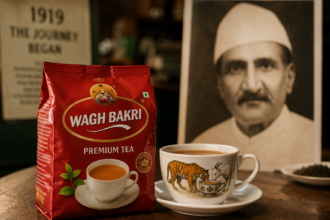
- Packaged goods were distributed through third-party food importers and ethnic grocers in suburban diaspora centers like Southall, Wembley, Edison, Jackson Heights, and Dubai.
- Production remained largely centralized in India until regional manufacturing and processing infrastructures expanded, including a West London packaging and logistics facility that became operational by 2016 to supply ambient foods across continental Europe.
While commercially lucrative, wholesale FMCG distribution placed a structural ceiling on brand equity. Western consumers perceived Haldiram’s strictly as a niche ethnic supermarket product confined to specialized grocery aisles. To compete for mainstream market share, the brand required direct, experiential hospitality touchpoints.
The Middle Eastern Stepping Stone: Dubai
Before committing capital to prime European high streets, Haldiram’s validated its full-service international model in Dubai. The United Arab Emirates served as an ideal testing sandbox: it possessed a massive South Asian diaspora across diverse income brackets, favorable logistics links with India, and a receptive local population familiar with Indian culinary profiles.
The operational success of the Dubai restaurants proved that Haldiram’s dining format could operate profitably abroad. However, conquering London required tackling significantly higher regulatory standards, unpredictable commercial lease dynamics, and a distinct Western dining demographic.
Strategic Site Selection: Leicester Square vs. The Diaspora Enclave
A pivotal business dilemma in international expansion is deciding whether to anchor inside safe demographic comfort zones or venture into high-visibility mainstream retail corridors.
                               ┌─────────────────────────────┐
                               │  Site Selection Trade-Offs  │
                               └──────────────┬──────────────┘
                                              │
                    ┌─────────────────────────┴─────────────────────────┐
                    ▼                                                   ▼
       ┌─────────────────────────┐                         ┌─────────────────────────┐
       │   Diaspora Enclaves     │                         │   Leicester Square      │
       │   (Southall / Wembley)  │                         │   (London West End)     │
       ├─────────────────────────┤                         ├─────────────────────────┤
       │ • High initial affinity │                         │ • Global footfall [1]   │
       │ • Low customer acquisition│                       │ • Tourist exposure [1]  │
       │ • Margin ceiling        │                         │ • Dynamic pricing [1]   │
       │ • Diaspora echo chamber │                         │ • Mainstream validation │
       │ • Predictable footfall  │                         │ • Institutional cachet  │
       └─────────────────────────┘                         └─────────────────────────┘
The Southall and Wembley Dilemma
Conventional commercial wisdom for ethnic food brands expanding to the UK suggests anchoring within areas of high South Asian demographic density. In Greater London, suburban centers like Southall, Wembley, Harrow, and Tooting host multi-generational South Asian populations. Securing retail space in these locations provides instant organic foot traffic, requires zero brand education, and offers comparatively lower commercial lease commitments.
However, entering London exclusively through suburban diaspora enclaves carries major strategic limitations:
- The Diaspora Margin Ceiling: Consumers in ethnic enclaves benchmark restaurant prices directly against domestic home cooking and established neighbourhood eateries. Charging premium margins for basic street staples like pani puri or pav bhaji encounters immediate pushback from residents.
- The Cultural Silo Trap: Confining a brand to demographic enclaves prevents it from entering the mainstream British cultural vernacular, limiting enterprise growth.
- Packaging Overlap: Haldiram’s packaged products were already ubiquitous across every ethnic corner store in Southall and Wembley. Adding a restaurant outlet in those same corridors offered minimal incremental brand elevation.
The Leicester Square Strategy
Haldiram’s bypassed suburban enclaves to secure prime real estate in London’s West End: Leicester Square. For an analysis of high-density location analytics, see our guide on commercial site selection and retail analytics.
| Strategic Parameter | Diaspora Hubs (Southall / Wembley) | Leicester Square Flagship Location | Strategic Advantage of Leicester Square |
| Footfall Composition | Predominantly South Asian residents and local shoppers. | Global tourists, theatregoers, corporate professionals, and domestic day-trippers. | Maximizes brand discovery among non-diaspora consumers and international tourists. |
| Pricing Power | Highly elastic; constrained by local price sensitivities. | Inelastic; diners expect premium central London casual-dining price tiers. | Allows higher gross margins to absorb central London business rates and labor costs. |
| Brand Signal | Community-level neighbourhood provider. | Global hospitality contender competing with major international chains. | Elevates brand equity; acts as a launching pad for future Western expansion. |
| Media & PR Multiplier | Localized community media attention. | Viral international social coverage and mainstream trade press reviews. | Drives organic customer acquisition, creating massive queues that fuel further hype. |
Choosing Leicester Square indicates that Haldiram’s does not view itself merely as a nostalgic food vendor for expatriates; it is positioning Indian street food directly against Western casual dining inside London’s premier entertainment district.
Business Model Transformation: Transitioning from FMCG to Experiential Hospitality
Transitioning from an ambient dry-goods manufacturer into a high-turnover metropolitan restaurant chain introduces major operational challenges. Packaging extruded namkeen in an industrial facility requires different operational capabilities than running a 110-seat dining room in central London.
       +--------------------+                    +---------------------+
       | PACKAGED FMCG      |                    | CASUAL DINING / QSR |
       +--------------------+                    +---------------------+
       | 6-12 month shelf   |                    | Same-day perishable |
       | ambient stability  |                    | production          |
       +--------------------+                    +---------------------+
                 |                                          ▲
                 |         OPERATIONAL TRANSITION           |
                 └──────────────────┬───────────────────────┘
                                    │
                         ┌──────────┴──────────┐
                         │ Front-of-House      │
                         │ Table Turns         │
                         │ Multi-Station Prep  │
                         │ Live Assembly       │
                         └─────────────────────┘
Architectural Layout and Visual Identity
The Leicester Square dining room features a modern, spacious 110-seat layout designed to accommodate sustained customer traffic. The design deliberately avoids the utilitarian, stainless-steel cafeteria aesthetics common in older Indian metro branches, embracing a contemporary hospitality atmosphere:
- Spatial Design: Broad booth seating, open central aisles, and comfortable acoustic spacing allow high covers per hour without making diners feel rushed.
- Interior Aesthetic: Bespoke wall murals, elegant paintings, and warm ambient lighting present a refined environment that appeals to casual diners and social media content creators alike.
- Dual-Format Retailing: Near the entrance, Haldiram’s installed a specialized glass-fronted sweet boutique. This enables departing diners to purchase packaged mithai and snacks to take home, capturing high-margin impulse sales. Read more about multi-channel store layouts in our study on hybrid retail and merchandising models.
Kitchen Assembly: Standardizing Speed
Unlike standardized burger or pizza franchises that rely on straightforward cook-and-assemble lines, traditional Indian street cuisine involves diverse ingredient textures, contrasting temperatures, and multi-component assembly. Haldiram’s structured its back-of-house kitchen into dedicated prep stations:
- The Chaat Line: Rapid-assembly cold and ambient stations where fried puris are quickly filled with spiced potatoes, sprouted pulses, chilled yogurt, and tangy chutneys. Speed and strict moisture management are essential to ensure puris do not turn soggy before hitting the table.
- The Hot Breads & Curries Station: High-output fryers producing hot, ballooned bhaturas alongside simmered copper vessels of chole, dal, and paneer dishes.
- The Beverage & Dessert Dispensary: Dedicated stations dispensing refreshing badam milk (spiced almond milk), lassis, and hot street-style masala chai.
Balancing quick-turnaround production across these distinct stations requires systematic ingredient prep and hands-on staff training to keep order wait times under industry thresholds.
Menu Engineering and Curated Cross-Over Strategies
Operating in Central London requires careful menu curation. Haldiram’s Indian superstores often feature expansive menus with over 200 items, spanning North Indian, South Indian, Chaat, Indo-Chinese, and Western fusion fare. Replicating that operational breadth in London’s West End would overburden prep lines, increase waste, and slow customer ordering.
Instead, the Leicester Square restaurant relies on a focused menu engineered around iconic dishes that balance authentic recipes with accessible appeal for international diners.
┌─────────────────────────────────────────────────────────────────────────────┐
│                 LEICESTER SQUARE MENU ENGINEERING MATRIX                    │
└─────────────────────────────────────────────────────────────────────────────┘
  High Margin / High Prep Speed                 Cultural Signature
  ┌───────────────────────────────┐             ┌───────────────────────────┐
  │ • Pani Puri Assemblies [1]    │             │ • Raj Kachori [1, 2]      │
  │ • Vada Pav (Veggie Burger) [2]│             │ • Chole Bhature [1, 2]    │
  └───────────────────────────────┘             └───────────────────────────┘
                                         ▲
                                         │
                                         ▼
  Volume Drivers / Accessible Entry             High-Value Anchor
  ┌───────────────────────────────┐             ┌───────────────────────────┐
  │ • Pav Bhaji [1]               │             │ • Royal Vegetarian        │
  │ • Garlic Naan Bread [1]       │             │   Thali Platter [1, 2]    │
  └───────────────────────────────┘             └───────────────────────────┘
Signature Offerings and Operational Roles
- The Raj Kachori: Served cold, this signature chaat features an oversized, crisp hollow sphere filled with spiced lentils, potatoes, chickpeas, yogurt, fresh pomegranate seeds, and sweet-and-sour chutneys. It serves as a visual and sensory centerpiece, introducing diners to the complex textures and temperatures of Indian street cuisine.
- Chole Bhature: A foundational volume driver. Featuring large, airy fried bhaturas paired with spiced chickpea gravy and sliced pickled onions. The visual theatrics of the steam-filled, puffed bread create tabletop excitement, driving organic social media shares.
- The Royal Vegetarian Thali: A complete culinary sampler served on a segmented platter, featuring bowls of lentils (dal), fresh cheese (paneer), basmati rice, seasoned raita, freshly rolled naans or rotis, and traditional sweets like gulab jamun. The thali solves menu-navigation hurdles for non-Indian diners, providing a balanced selection across multiple regional preparations.
- Vada Pav: Marketed as a spiced Indian vegetarian burger. Featuring a golden-fried spiced potato dumpling tucked inside a soft bread bun with dry garlic chutney and green chili. This familiar handheld format offers an accessible, low-friction entry point for casual Western diners.
- Specialty Beverages (Badam Milk): A rich, chilled beverage made with whole milk, crushed almonds, cardamom, saffron, and sugar. Badam milk cools the palate after spicy dishes, driving higher beverage ticket averages.
For an in-depth look at menu profitability, explore our framework on menu engineering and hospitality unit economics.
Financial Architecture & Unit Economics: The Central London Margin Equation
Upon launch, public conversation quickly turned to the substantial price gap between Haldiram’s domestic Indian menus and its Leicester Square pricing. Commentators on social media pointed out that affordable street-food staples were listed at premium dining prices in London.
Pricing Arbitrage Matrix: India Domestic vs. Central London Flagship
| Menu Item | Average Indian Domestic Price | Leicester Square Listing Price | Converted Cost (INR Equivalent) | Markup Multiple |
| Pani Puri | ₹75 ($0.90) | £6.50 | ~₹830 | 11.0x |
| Pav Bhaji | ₹160 ($1.90) | £9.90 | ~₹1,270 | 7.9x |
| Garlic Naan | ₹60 ($0.72) | £5.00 | ~₹640 | 10.6x |
  Price Multiple Breakdown (India vs. UK)
  Pani Puri:    [==== 11.0x ====]
  Garlic Naan:  [==== 10.6x ====]
  Pav Bhaji:    [=== 7.9x ===]
Deconstructing the Unit Economics
Evaluating these prices through basic currency conversion ignores the economic realities of operating in Central London. A £9.90 pav bhaji is not an arbitrary markup; it reflects the real-world operating expenses of prime urban hospitality:
┌────────────────────────────────────────────────────────────────────────┐
│                   WEST END MARGIN ALLOCATION MODEL                     │
└────────────────────────────────────────────────────────────────────────┘
 [Prime Real Estate Leasehold]     London commercial lease & high business rates
 [Hospitality Labor Costs]         UK National Living Wage compliance
 [Import Supply Chains]            Intercontinental freight & strict compliance
 [Prime Dining Positioning]        Equates pricing to local casual lunch rates
- Commercial Real Estate Rents: Securing commercial frontage in Leicester Square involves some of the world’s most competitive retail real estate costs, alongside hefty municipal business rates. To maintain healthy rent-to-revenue ratios, restaurants must generate higher average ticket values per seat.
- Hospitality Labor Costs: Operating in the UK requires adherence to statutory National Living Wage regulations. Staff compensation across front-of-house, kitchen lines, and dishwashing shifts represents a much higher portion of overall overhead than in domestic Indian operations.
- Intercontinental Logistics & Tariffs: Transporting proprietary ingredients, bespoke spice formulations, and specialized packaging from Indian production facilities incurs ocean and air freight charges, port clearing tariffs, and cold-chain storage costs.
- Market Competitiveness: In the context of the West End, an £8 to £12 individual ticket falls right in line with surrounding fast-casual benchmarks like McDonald’s, Chipotle, and local burger joints. A £9.90 hot lunch dish sits comfortably within typical consumer budgets in Central London. For a broader look at prime city center leases, review our commercial real estate benchmarking report.
Supply Chain Logistics, Cross-Border Sourcing & Regulatory Compliance
Serving authentic street cuisine thousands of miles from source markets requires a synchronized international supply chain that blends cross-border logistics with local vendor procurement.
+-----------------------------------------------------------------------------------------+
|                              CROSS-BORDER LOGISTICS PIPELINE                            |
|                                                                                         |
|   [India Processing Centers]               [Local UK Supply Chains]                     |
|    • Proprietary Spice Blends               • Fresh Milk & Yogurts                      |
|    • Specialty Flours & Pulses              • Produce (Onions, Potatoes, Coriander)     |
|    • Frozen Core Fillings                   • Packaging & Disposables                   |
|                 │                                       │                               |
|                 ▼                                       ▼                               |
|   [Air & Ocean Freight / Port Clearance]   [Direct Daily Local Delivery]                |
|                 │                                       │                               |
|                 └───────────────────┬───────────────────┘                               |
|                                     │                                                   |
|                                     ▼                                                   |
|                [West London Central Packaging / Hub Facility]                           |
|                                     │                                                   |
|                                     ▼                                                   |
|                [Leicester Square Flagship Restaurant Outlet]                            |
+-----------------------------------------------------------------------------------------+
The Dual-Track Logistics Architecture
To maintain consistent taste across international locations, Haldiram’s uses an integrated dual-supply network:
- The Domestic Core (India): Proprietary spice blends, lentil purées, chutneys, and shelf-stable bases are produced in centralized Indian facilities under strict quality monitoring to ensure recipe consistency.
- The West London Hub: Leveraging its regional manufacturing and packaging base established in West London in 2016, the business manages intermediate freight, runs safety checks, and organizes regular replenishment runs into Leicester Square.
- Local British Perishables: Fresh dairy, fluid whole milk for beverages, yogurt curds, and raw vegetables (potatoes, onions, fresh coriander) are sourced directly from certified UK agricultural suppliers to meet daily freshness needs.
- Trade Context: International supply chain efficiency is further supported by trade policy developments, such as the UK-India Free Trade Agreement framework, which facilitates smoother freight movements and reduces import duties across agricultural goods.
UK Food Standards Agency (FSA) Compliance
Operating an authentic chaat restaurant in the UK means meeting stringent municipal hygiene frameworks. The UK Food Standards Agency (FSA) enforces strict food safety and hygiene regulations:
- Temperature Monitoring: Chaat recipes often combine cold, uncooked cultured dairy (curds and spiced yogurt) with warm fillings. Maintaining exact temperature stability across service lines is critical to meeting FSA requirements.
- Allergen Management: UK law mandates clear, transparent disclosures across 14 statutory allergens. Given the extensive use of nuts (almonds, cashews), dairy, and gluten across Indian sweet and savory recipes, Haldiram’s must run strict kitchen separation systems to prevent cross-contamination.
- Operational Auditing: Earning strong local hygiene ratings builds consumer confidence and provides a recognized operational standard as the brand expands across Europe. For a deep dive into health and safety frameworks, review our guide on international food safety standards and compliance.
Sociological & Macroeconomic Drivers: Diaspora Capital & Cultural Soft Power
Haldiram’s international expansion is supported by substantial demographic, economic, and cultural tailwinds.
       ┌─────────────────────────────────────────────────────────────┐
       │                MACRO FORCES ACCELERATING GROWTH             │
       └──────────────────────────────┬──────────────────────────────┘
                                      │
       ┌──────────────────────────────┼──────────────────────────────┐
       ▼                              ▼                              ▼
┌──────────────┐              ┌──────────────┐              ┌────────────────┐
│  The Global  │              │ Indian Soft  │              │ Curious Palate │
│   Diaspora   │              │    Power     │              │   Shifts       │
├──────────────┤              ├──────────────┤              ├────────────────┤
│ • 35-40M     │              │ • Cinema,    │              │ • From heavy   │
│   community  │              │   music, and │              │   curries to   │
│ • ~$850B net │              │   specialty  │              │   authentic    │
│   income     │              │   travel     │              │   chaat        │
└──────────────┘              └──────────────┘              └────────────────┘
The $850B Diaspora Economic Engine
The Indian diaspora represents the largest expatriate community in the world, with an estimated 35 to 40 million individuals generating a collective annual income of roughly $800 billion to $850 billion.
This global demographic creates two strategic advantages for the enterprise:
- Immediate Customer Base: Decades of domestic brand familiarity ensure steady initial patronage, reducing customer acquisition costs during early expansion.
- Organic Cultural Validation: High concentrations of diaspora diners create visible queues outside the restaurant, serving as an authentic cultural endorsement for hesitant non-Indian diners. For specialized insights into cultural segmentation, explore our report on diaspora consumer marketing.
Joint Demand and Complementary Food Culture
The global popularity of Indian food creates what economists refer to as “joint demand”. Just as consumer affinity for Italian cuisine drove retail demand for imported olive oil, pasta, and aged cheeses, exposure to Indian dining boosts broader retail demand for curry spices, packaged flatbreads, and specialty condiments.
Major Indian consumer brands like Amul, ITC’s Aashirvaad, and MDH spices have established broad distribution across British supermarket aisles. Haldiram’s capitalizes on this cultural foundation, moving Indian cuisine away from generic takeaway curries toward regional, street-level dining.
Competitive Landscape & Global Benchmarking
The Leicester Square launch places Haldiram’s in direct competition with three distinct restaurant categories: traditional diaspora eateries, modern casual dining concepts, and multinational QSR franchises.
                       COMPETITIVE POSITIONING MATRIX
                 High Price Point (Premium Dining Experience)
                                     │
                                     │        [Dishoom]
                                     │
                                     │
      Casual Walk-Up /               │                  Full-Service
      Grab-and-Go                    │                  Experiential
   ──────────────────────────────────┼──────────────────────────────────
      [Saravanaa Bhavan]   │                  [HALDIRAM'S]
                                     │
                                     │        [Chaiiwala]
                                     │
                 Low Price Point (Budget / Sub-Urban Focus)
| Competitor Entity | Core Operating Model | Real Estate Focus | Strategic Advantages | Operating Vulnerabilities |
| Haldiram’s | Hybrid casual dining with integrated retail sweet shop. | Prime central retail districts (Leicester Square). | ₹90k Cr valuation, strong brand legacy, dual revenue channels. | High West End overhead[cite: 1], complex multi-station prep lines. |
| Dishoom | Polished casual dining inspired by historic Bombay cafes. | High-footfall urban leisure and heritage quarters. | Evocative brand world, strong cocktail menu, elevated dining experience. | Longer table turnaround times, higher average ticket spend. |
| Saravanaa Bhavan[cite: 1] | Traditional South Indian vegetarian dining[cite: 1]. | Suburban diaspora enclaves (East Ham, Wembley, Tooting). | Strong authenticity, loyal vegetarian demographic[cite: 1]. | Slower adoption among mainstream Western audiences; traditional decor. |
| Chaiiwala | Fast-casual, counter-service beverage and street snack franchise. | Secondary high-street corridors and travel hubs. | Efficient, compact kitchen setups, rapid turnaround, accessible pricing. | Limited dine-in seating; constrained full-meal options. |
By pairing rapid street-food prep with a comfortable 110-seat dining room and retail confection counter, Haldiram’s occupies an attractive middle ground between fast-casual convenience and relaxed sit-down dining. For an analysis of broader restaurant trends, read our global hospitality trends report.
Risk Exposure & Five-Pillar Strategic Expansion Framework
While initial launch demand has drawn long lines of diners across Leicester Square, maintaining a profitable presence in the competitive UK casual dining market requires navigating significant ongoing business risks.
                        CRITICAL RISK FACTORS
   ┌─────────────────────────────────────────────────────────────┐
   │ 1. Operational Drag: Sprawling menus slow table turnover    │
   │ 2. Margin Volatility: Rising West End real estate costs [1] │
   │ 3. Palate Alignment: Managing authentic spice levels [1]   │
   │ 4. Supply Disruptions: Intercontinental freight friction [1]│
   └─────────────────────────────────────────────────────────────┘
Key Operational Challenges
- Kitchen Operational Drag: Authentic Indian street foods rely on multiple fresh ingredients, delicate crisp textures, and layered presentation. If orders back up during peak West End theatre rushes, table turn times will slow, cutting into daily revenue.
- Managing Palate Preferences: Authentic Indian street cooking features bold spices and noticeable chili heat. Haldiram’s must find ways to welcome spice-sensitive Western diners without compromising the vibrant flavors that diaspora customers expect.
- Freight and Supply Disruptions: Relying on proprietary ingredient shipments from Indian processing facilities exposes restaurant margins to changes in ocean freight rates, shipping delays, and cross-border trade friction.
The Five-Pillar Global Scaling Framework
+-----------------------------------------------------------------------------------+
|                     THE FIVE-PILLAR GLOBAL ROADMAP                                |
|                                                                                   |
|  [Pillar 1: Kitchen Automation] ──► Standardize batching and semi-automated prep  |
|  [Pillar 2: Store Portfolio]    ──► Open high-traffic transit and express pods    |
|  [Pillar 3: Menu Modernization] ──► Introduce visual spice level guides           |
|  [Pillar 4: Dual-Engine Retail] ──► Build subscription models for packaged goods  |
|  [Pillar 5: International Step] ──► Target Tier-1 North American urban markets    |
+-----------------------------------------------------------------------------------+
- Standardize Kitchen Production Lines: Haldiram’s should implement modular ingredient batching across chaat and hot curry lines. Using automated, measured portion dispensers for spiced waters, yogurts, and chutneys can reduce ticket assembly times to under 90 seconds for appetizers, improving peak table turns.
- Adopt a Multi-Tier Store Portfolio: The 110-seat Leicester Square flagship serves as an effective regional showcase. To expand efficiently across the UK, the company should establish a hub-and-spoke footprint:
- Tier-1: Experiential flagship dining rooms in major city centers.
- Tier-2: Compact, counter-service “Haldiram’s Express” kiosks inside high-traffic rail stations (such as King’s Cross, London Bridge, and Waterloo) focusing on fast-turnaround snacks, handheld rolls, and hot chai.
- Refine Flavor Guidance for New Diners: Introduce clear heat indexes and dish explainers on digital kiosk screens and physical menus. Allowing guests to customize spice levels ensures accessible dining without altering traditional back-of-house recipes.
- Leverage In-Store Dining to Drive FMCG Subscriptions: Integrate physical dining with the brand’s packaged goods business. Adding table-side QR codes allows diners to purchase shelf-stable snacks, spice kits, and packaged mithai gift sets for home delivery via the West London distribution hub.
- Prepare for North American Expansion: Backed by a ₹90,000 crore balance sheet and international private equity investment, Haldiram’s has the capital to enter North America. Building on its London experience, management should target prime retail corridors in major cosmopolitan hubs like New York, Toronto, and the San Francisco Bay Area, positioning the brand directly within high-visibility metropolitan retail centers rather than relying strictly on suburban diaspora enclaves.
Strategic Synthesis
+-----------------------------------------------------------------------------------+
|                        STRATEGIC TAKEAWAYS SUMMARY                                |
|                                                                                   |
|  • Location Matters: Opening in Leicester Square transforms Haldiram's from a     |
|    niche supermarket import into an international hospitality brand.              |
|                                                                                   |
|  • Margin Realities: Higher UK menu prices offset Central London leases, living   |
|    wage standards, and specialized import supply chains.                          |
|                                                                                   |
|  • Focused Offerings: Replacing extensive domestic menus with a curated lineup of |
|    visual, high-turnover dishes supports efficient kitchen operations.            |
|                                                                                   |
|  • Dual Revenue Engine: Combining casual sit-down dining with a dedicated to-go   |
|    sweet shop lifts average order values and expands retail reach.                |
|                                                                                   |
|  • Proven Stepping Stone: Building a high-volume flagship in London creates an    |
|    operational foundation for future global expansion across the West.            |
+-----------------------------------------------------------------------------------+
Haldiram’s arrival in Leicester Square represents a significant milestone in the global expansion of Indian consumer brands. By pairing its extensive manufacturing scale with high-visibility real estate and focused menu curation, the enterprise has demonstrated that traditional culinary heritage can compete directly on the world’s most visible retail stages.
Sources
- NewsX Telecast Analysis: Haldiram’s Global Expansion: Indian Street Food Arrives in London (Special television panel decoding Haldiram’s ₹90,000 crore valuation, 35-40 million Indian diaspora purchasing power, menu price dynamics in London, West London packaging hub, and Leicester Square site selection)[cite: 1].
- On-Site Dining Experience Review: Haldiram’s Leicester Square Flagship Culinary & Interior Review (Direct on-site footage exploring the spacious 110-seat dining layout, wall mural aesthetics, Raj Kachori assembly, Chole Bhature service, Thali sampler architecture, Vada Pav presentation, Badam milk beverage, and the front-of-house mithai retail counter)[cite: 2].