



When a company like Apple launches a new Instagram account, it rarely does so without intention. On the surface, the move might seem unnecessary—after all, Apple already commands one of the strongest brand recalls in the world. It doesn’t need more visibility, more reach, or even more followers.
But that’s precisely what makes this decision interesting. At a certain stage of brand maturity, the goal is no longer to push products aggressively. Instead, it shifts toward shaping perception, building emotional connection, and ultimately owning the narrative around the brand.
Moving Beyond Product Marketing
For most brands, social media is still treated as a direct extension of their sales funnel—a place to announce launches, highlight features, and push promotions. Apple, however, operates at a different level. Its products are already embedded in consumer consciousness, which allows the brand to move beyond functional communication into something far more powerful: storytelling.
By creating a separate Instagram account dedicated to stories, Apple is effectively decoupling product communication from emotional engagement. This ensures that its main channels remain focused and uncluttered, while the new platform becomes a space to build deeper, more meaningful connections.
Separating Selling from Storytelling
One of the most strategic aspects of this move is the clear separation between selling and storytelling. When both are pushed through a single channel, the result is often noise—product updates compete with brand narratives, and neither gets the attention it deserves.
Apple’s approach creates clarity. One platform handles product-focused communication, while the other focuses purely on emotion, culture, and identity. This division allows each channel to perform its role more effectively, without diluting the overall brand message.
Owning the Cultural Narrative
In today’s digital ecosystem, brands are no longer just participants in conversations—they are expected to shape them. By launching a storytelling-focused account, Apple is taking control of how its brand is perceived in cultural contexts.
Instead of relying solely on user-generated content or external media to define its narrative, Apple is building a controlled environment where it can tell its own stories. This not only strengthens brand consistency but also ensures that the messaging aligns with its long-term vision.


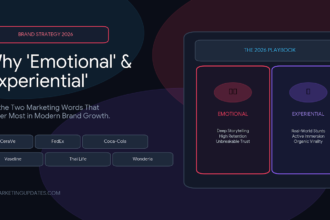
From Reach to Depth
A critical shift in modern marketing is the move from reach to depth. While visibility remains important, it is no longer sufficient on its own. Consumers today are more selective about what they engage with, and they are drawn toward brands that offer meaning rather than just information.
Apple’s storytelling approach reflects this shift. Instead of trying to maximize impressions, the brand is focusing on building emotional resonance. This creates a deeper connection with the audience, which ultimately translates into stronger loyalty and long-term value.
To support such strategies at scale, many brands rely on CRM and marketing automation platforms to manage audience data and personalize engagement across channels.
Future-Proofing Through Storytelling
Perhaps the most important aspect of this move is its long-term implication. Products evolve, features change, and technologies become obsolete—but stories endure. By investing in storytelling, Apple is building an asset that is not tied to any single product cycle.
This approach ensures that the brand remains relevant even as its offerings evolve. It also creates a sense of legacy, where the brand is associated not just with innovation, but with culture, creativity, and identity.
The Role of Content Ecosystems
Apple’s strategy also highlights the importance of building a content ecosystem rather than relying on a single platform or channel. By creating dedicated spaces for different types of content, the brand is able to maintain focus while maximizing impact.
In a world where content drives attention, brands increasingly use AI-powered tools for social media marketing to optimize distribution, analyze performance, and ensure that each piece of content reaches the right audience.
What Brands Can Learn from Apple
Apple’s move offers several important lessons for marketers. One of the most significant is the need to move beyond transactional communication and invest in narrative-building. Brands that focus solely on selling risk becoming interchangeable, while those that build stories create lasting differentiation.
Additionally, the importance of structure cannot be overlooked. By separating different types of communication into distinct channels, brands can reduce noise and improve clarity, making their messaging more effective.
FAQs
Why did Apple launch a separate Instagram account?
To focus on storytelling and emotional engagement rather than product promotion.
What is Apple’s social media strategy?
It emphasizes narrative, culture, and identity alongside product communication.
What can brands learn from this?
The importance of separating content types and investing in storytelling for long-term growth.
Conclusion
Apple’s decision to launch a dedicated storytelling Instagram account is not about increasing reach—it is about deepening connection. In a world where consumers are constantly bombarded with information, the brands that stand out are those that offer meaning, not just messages.
By separating selling from storytelling and creating focused content ecosystems, Apple is once again demonstrating why it remains one of the most influential brands in the world.
Because in today’s market, attention may come from content—but loyalty is built through stories.