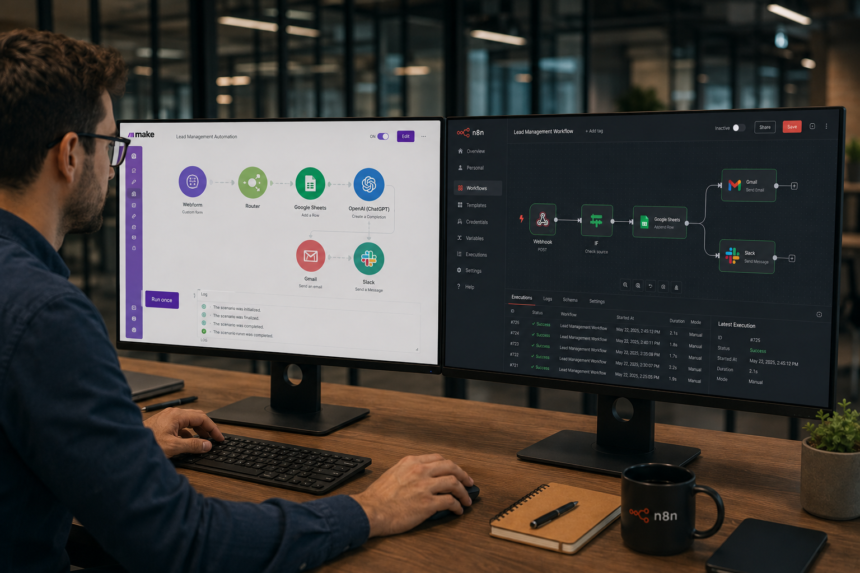



Why Agencies Are Rapidly Adopting AI Automation
The agency business model is changing.
Five years ago, most agencies scaled by hiring more employees. More clients meant more account managers, more content writers, more designers, more project managers, and larger operational costs.
Today, artificial intelligence and workflow automation have fundamentally changed how agencies operate.
A small team equipped with the right AI automation tools can now perform tasks that previously required multiple employees.
For example:
- AI can generate first drafts of blog content.
- Workflow automation platforms can move data between applications.
- AI agents can qualify leads automatically.
- Reporting systems can generate client reports without manual work.
- CRM automation can nurture prospects automatically.
This doesn’t mean agencies no longer need talented people.
Instead, it means agencies can focus human talent on strategy, creativity, client relationships, and decision-making while repetitive tasks are handled by automation.
As a result, agencies can:
- Serve more clients
- Improve profitability
- Reduce manual work
- Scale operations faster
- Deliver services more efficiently
The challenge is choosing the right tools.
The AI automation landscape is crowded, with hundreds of platforms promising to improve productivity.
To help agencies make informed decisions, we’ve analyzed the best AI automation tools available today based on real-world use cases, scalability, integrations, and long-term value.
How We Evaluated These AI Automation Tools
Every tool in this guide was evaluated using six key criteria.
Ease of Use
Can non-technical team members learn the platform?
AI Capabilities
Does the platform support AI-powered workflows, content generation, or AI agents?
Workflow Automation
Can repetitive business processes be automated effectively?
Integrations
Does the platform connect with commonly used agency tools?
Scalability
Can the platform grow alongside the agency?
Return on Investment
Does the platform help agencies save time and increase profitability?
1. n8n
Best For: Advanced Workflow Automation and AI Agents
Official Website:
https://n8n.io
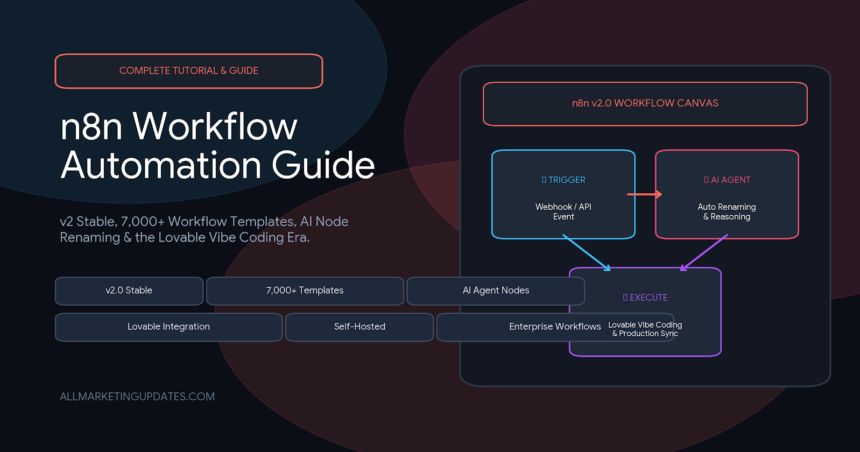
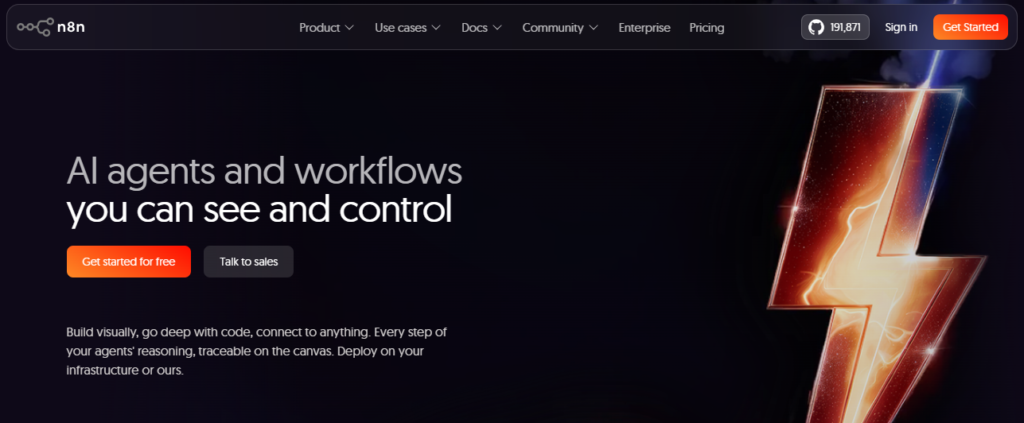
n8n has become one of the fastest-growing workflow automation platforms because it offers a unique combination of flexibility, scalability, and customization.
Unlike many automation tools that focus on simple trigger-and-action workflows, n8n allows agencies to build sophisticated automation systems involving APIs, databases, AI models, CRMs, communication platforms, and internal business applications.
One of the biggest reasons agencies adopt n8n is its ability to handle complex workflows.
For example, an agency can create a workflow that:
- Collects leads from multiple sources
- Enriches lead data
- Uses AI to score prospects
- Updates a CRM
- Sends personalized outreach emails
- Notifies team members in Slack
All within a single automation.
Why Agencies Use n8n
Agencies frequently use n8n for:
- Lead generation automation
- AI content workflows
- Client onboarding
- Reporting systems
- CRM synchronization
- AI agent development
My Experience
Among all workflow automation platforms, n8n provides some of the greatest flexibility.
For agencies focused on AI automation, custom integrations, and long-term scalability, n8n is often one of the strongest choices available.
Pros
- Open source
- Self-hosting support
- Advanced workflow logic
- AI agent capabilities
- Excellent API support
Cons
- Learning curve for beginners
2. Make.com
Best For: Visual Workflow Automation
Official Website:
https://www.make.com
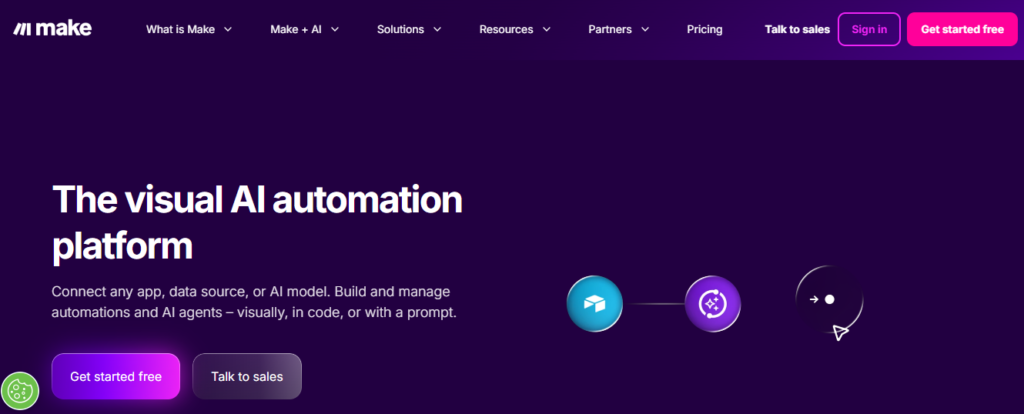
Make.com has become one of the most popular workflow automation platforms because it combines powerful automation capabilities with an intuitive visual interface.
Originally known as Integromat, Make.com allows agencies to connect applications and automate business processes without writing code.
The visual workflow builder makes it easy to understand how information moves between applications.
For agencies new to automation, this is often a major advantage.
Why Agencies Use Make.com
Popular agency use cases include:
- Lead generation workflows
- CRM automation
- Social media scheduling
- Email marketing
- Reporting automation
- Project management integrations
My Experience
Make.com is often the easiest platform for agencies beginning their automation journey.
Most teams can create useful workflows within a few hours of learning the platform.
While it may not provide the same flexibility as n8n, its ease of use makes it highly attractive.
Pros
- Beginner-friendly
- Visual workflow builder
- Large integration ecosystem
- Strong documentation
Cons
- No self-hosting
- Costs can increase at scale
Best For
Marketing agencies, small businesses, and teams looking for fast deployment.
3. OpenAI
Best For: AI Content Creation and Productivity
Official Website:
https://platform.openai.com
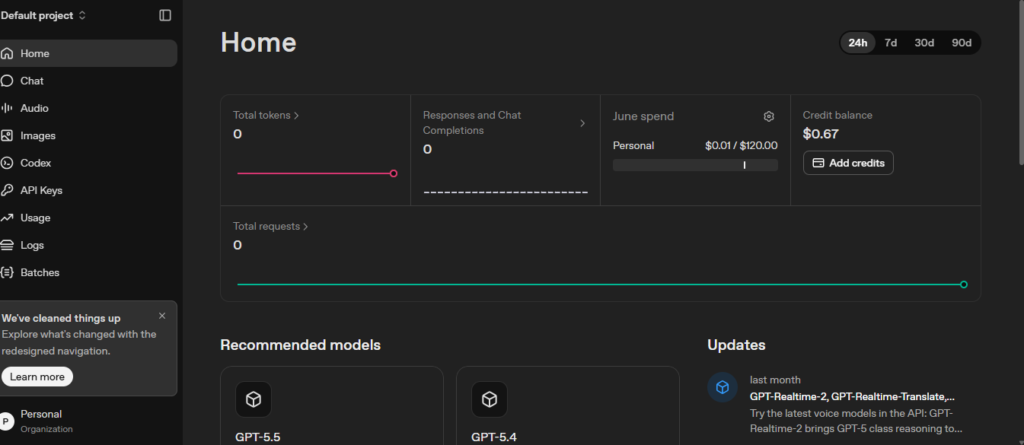
OpenAI has become one of the most influential companies in artificial intelligence.
Its language models power countless applications used by agencies every day.
Many agencies use OpenAI to automate:
- Blog writing
- Social media content
- Email campaigns
- Ad copy
- Research
- Customer support
When integrated with workflow automation platforms such as n8n or Make.com, OpenAI becomes even more powerful.
Agencies can create systems that automatically generate content, respond to inquiries, analyze customer feedback, and assist with decision-making.
Why Agencies Use OpenAI
The biggest advantage is productivity.
Tasks that previously required hours of manual work can often be completed in minutes.
My Experience
OpenAI dramatically increases content production speed.
However, agencies should always include human review to ensure accuracy, quality, and brand consistency.
Pros
- Powerful language models
- Extensive ecosystem
- Strong API support
- Continuous innovation
Cons
- Requires quality control
- Usage costs increase with scale
Best For
Content marketing agencies, SEO agencies, and customer support automation.
4. Claude
Best For: Long-Form Content and Research
Official Website:
https://anthropic.com
Claude has quickly become one of the most popular AI assistants among agencies.
While OpenAI excels in many areas, Claude is particularly effective for handling long documents and producing detailed content.
Many agencies use Claude for:
- Research
- Strategy documents
- Long-form articles
- Content briefs
- Client reports
Claude’s ability to process large amounts of information makes it valuable for research-intensive workflows.
Why Agencies Use Claude
Agencies often need to analyze large amounts of information before making recommendations.
Claude helps accelerate this process.
My Experience
Many content teams now use Claude alongside OpenAI.
The combination often produces better results than relying on a single AI platform.
Pros
- Strong long-form capabilities
- Excellent document analysis
- Large context window
Cons
- More limited ecosystem compared to OpenAI
Best For
Content agencies, SEO agencies, and research-focused teams.
5. Relevance AI
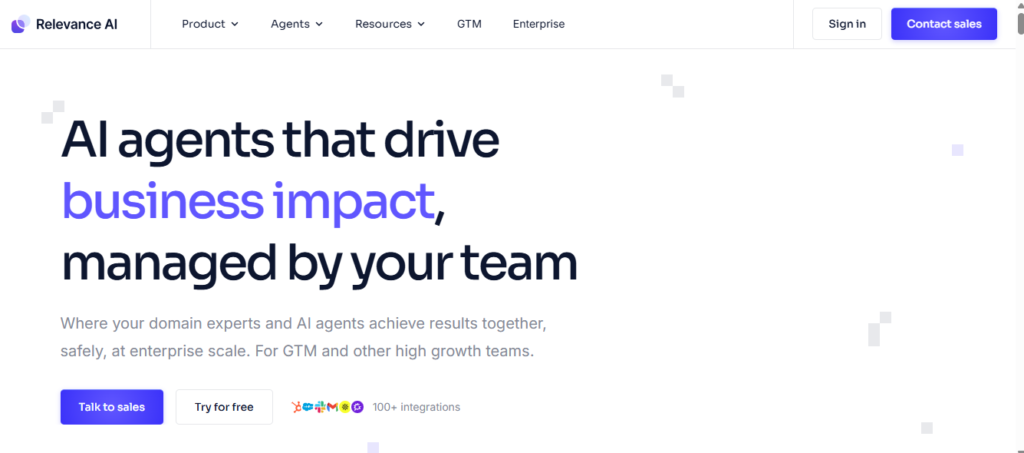
Best For: AI Agents and Autonomous WorkflowsOfficial Website:
https://relevanceai.com
AI agents represent one of the biggest trends in automation.
Rather than simply generating content, AI agents can perform multi-step tasks independently.
Relevance AI provides a platform specifically designed for building and managing AI agents.
Examples include:
- Research agents
- Sales agents
- Customer support agents
- Lead qualification agents
Why Agencies Use Relevance AI
Agencies increasingly want systems that can complete tasks autonomously rather than simply assisting humans.
Relevance AI makes this possible.
My Experience
For agencies interested in AI agents, Relevance AI is one of the most promising platforms available today.
Pros
- AI-focused platform
- Agent development capabilities
- Automation support
Cons
- More specialized use case
Best For
Agencies building AI-powered service offerings.
6. Airtable
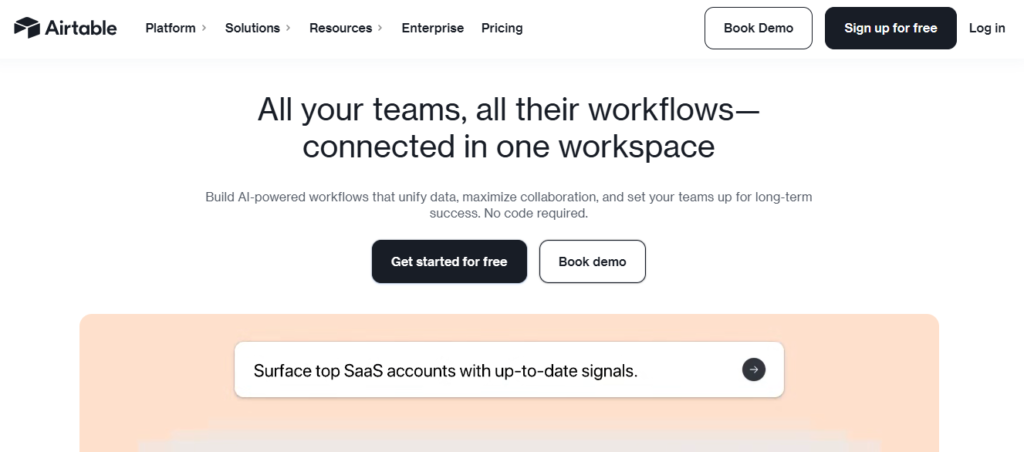
Best For: Agency Operations and Workflow Management
Official Website:
https://airtable.com
Airtable combines the simplicity of spreadsheets with the power of relational databases, making it one of the most valuable operational tools for agencies.
Many agencies struggle with scattered information spread across Google Sheets, project management tools, CRMs, and communication platforms. Airtable solves this problem by creating a centralized system for managing agency operations.
Unlike traditional spreadsheets, Airtable allows agencies to create customized databases that can track clients, projects, content calendars, leads, campaigns, invoices, and internal processes.
Why Agencies Use Airtable
Agencies commonly use Airtable for:
- Content planning
- Client management
- Campaign tracking
- Lead databases
- SOP management
- Editorial calendars
- Reporting dashboards
When integrated with automation platforms such as n8n and Make.com, Airtable becomes even more powerful.
For example, new leads can automatically be added to Airtable, assigned to team members, enriched with prospect data, and pushed into a CRM without manual intervention.
My Experience
Airtable often becomes the operational backbone of an agency.
For agencies that don’t need a complex CRM but want more structure than spreadsheets provide, Airtable offers an excellent balance between flexibility and ease of use.
Pros
- Easy to learn
- Highly customizable
- Excellent integrations
- Great for agency operations
Cons
- Can become expensive at scale
- Not a replacement for enterprise databases
Best For
Marketing agencies, SEO agencies, content agencies, and operations teams.
7. Clay
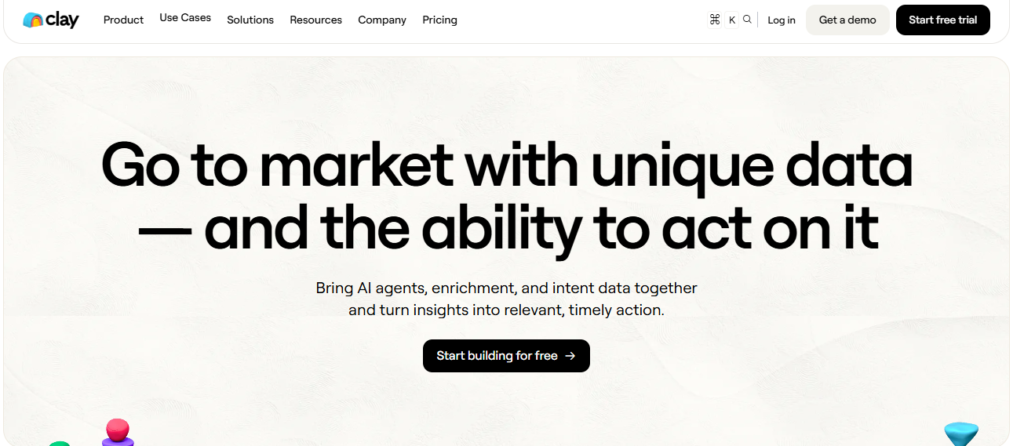
Best For: Lead Generation and Data Enrichment
Official Website:
https://clay.com
Lead generation is one of the most time-consuming activities for agencies.
Finding prospects, gathering information, researching companies, and personalizing outreach can consume hundreds of hours every month.
Clay has become one of the most popular tools among B2B agencies because it automates much of this work.
The platform helps agencies enrich lead data using multiple sources and AI-powered workflows.
Why Agencies Use Clay
Agencies use Clay to:
- Find prospects
- Enrich contact data
- Personalize outreach
- Build lead lists
- Score prospects
- Improve cold email performance
Clay can collect information such as:
- Company size
- Industry
- Job titles
- Social profiles
- Technology stacks
- Funding information
This information can then be used to create highly personalized outreach campaigns.
My Experience
For outbound lead generation, Clay is one of the most powerful tools available today.
Agencies focused on B2B prospecting often see significant improvements in efficiency after implementing Clay-based workflows.
Pros
- Powerful enrichment capabilities
- AI-powered personalization
- Strong prospecting features
Cons
- Learning curve
- Premium pricing
Best For
Lead generation agencies, outbound agencies, and sales teams.
8. Apollo
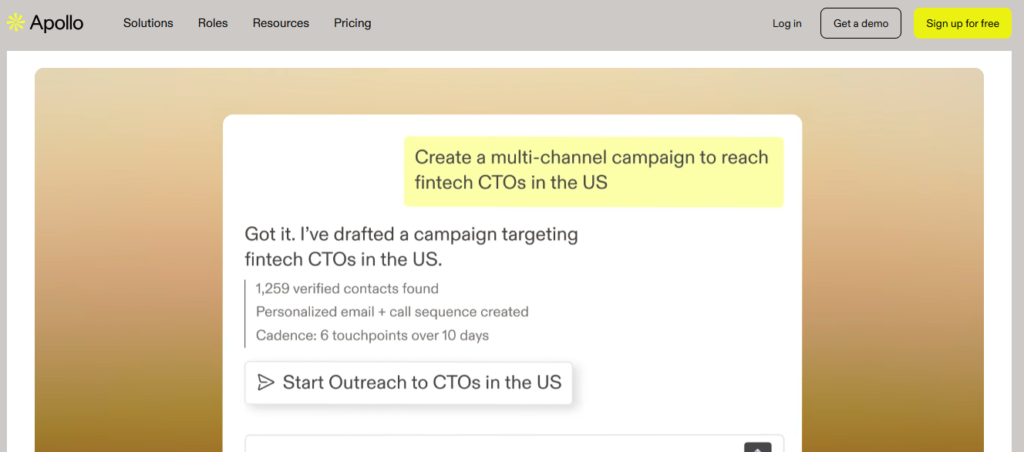
Best For: Prospecting and Sales Outreac
Official Website:
https://apollo.io
Apollo has become one of the most widely used sales intelligence platforms.
The platform combines prospect databases, outreach tools, and sales intelligence capabilities into a single solution.
Agencies frequently use Apollo to identify prospects and launch outreach campaigns.
Why Agencies Use Apollo
Popular use cases include:
- Prospect research
- Contact discovery
- Email outreach
- Sales engagement
- Pipeline generation
Apollo provides access to millions of business contacts, making it easier for agencies to identify and engage potential clients.
My Experience
Apollo works exceptionally well when combined with Clay and automation platforms such as n8n or Make.com.
Together, these tools can create highly scalable lead generation systems.
Pros
- Large contact database
- Sales intelligence features
- Outreach automation
Cons
- Data quality varies by region
- Requires ongoing optimization
Best For
Sales agencies, lead generation agencies, and B2B marketing firms.
9. HubSpot
Best For: CRM and Marketing Automation
Official Website:
https://hubspot.com
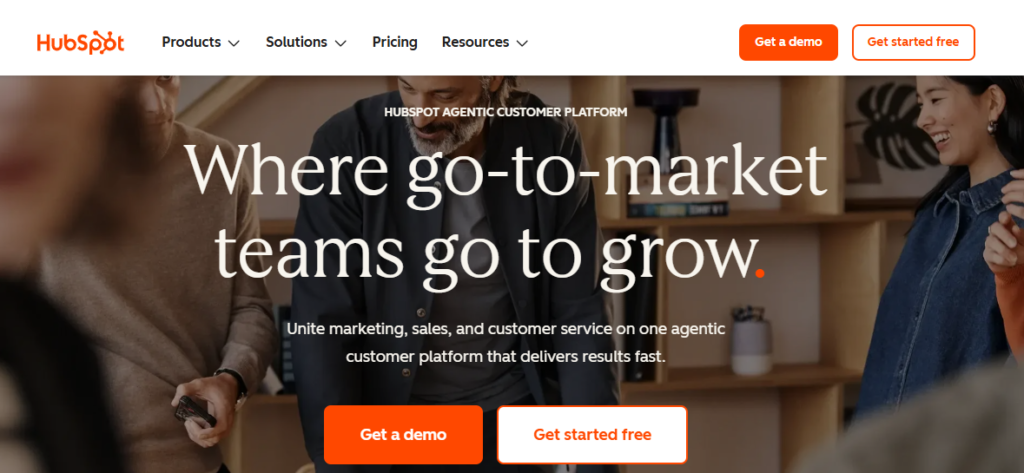
HubSpot remains one of the most recognized platforms for customer relationship management and marketing automation.
Many agencies use HubSpot as the central hub for managing leads, customers, campaigns, and reporting.
The platform combines CRM functionality with marketing automation tools, making it easier to nurture leads throughout the customer journey.
Why Agencies Use HubSpot
Agencies commonly use HubSpot for:
- Lead management
- Email marketing
- Customer nurturing
- Sales automation
- Marketing analytics
- Reporting
HubSpot’s ecosystem allows agencies to manage large volumes of client and prospect data efficiently.
My Experience
HubSpot is particularly valuable for agencies that want a unified platform rather than multiple disconnected tools.
While pricing can be higher than some alternatives, the functionality often justifies the investment.
Pros
- Excellent CRM
- Strong automation features
- Comprehensive reporting
Cons
- Expensive for growing teams
- Advanced features require higher-tier plans
Best For
Marketing agencies, growth agencies, and enterprise organizations.
10. Instantly
Best For: Cold Email Automation
Official Website:
https://instantly.ai
Cold email remains one of the most effective lead generation channels for agencies.
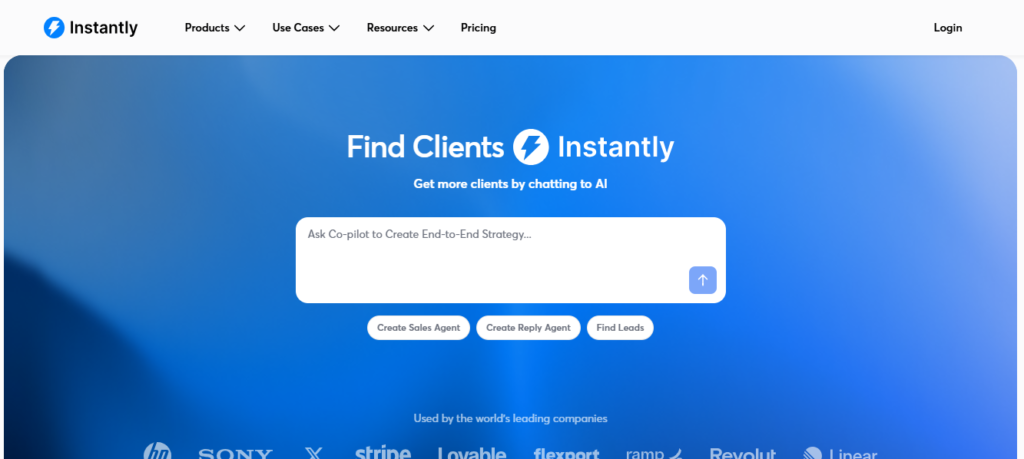
Instantly helps agencies scale outreach campaigns while maintaining deliverability.
The platform focuses on helping users send emails, manage inboxes, and monitor campaign performance.
Why Agencies Use Instantly
Common use cases include:
- Client acquisition
- Appointment setting
- Outbound sales
- Lead generation
My Experience
Agencies running outbound campaigns often rely on Instantly because it simplifies many technical aspects of email outreach.
Pros
- Strong deliverability tools
- Easy campaign management
- Scalable outreach
Cons
- Requires quality lead data
- Success depends on messaging quality
Best For
Lead generation agencies and outbound sales teams.
11. Zapier
Best For: Simple Workflow Automation
Official Website:
https://zapier.com
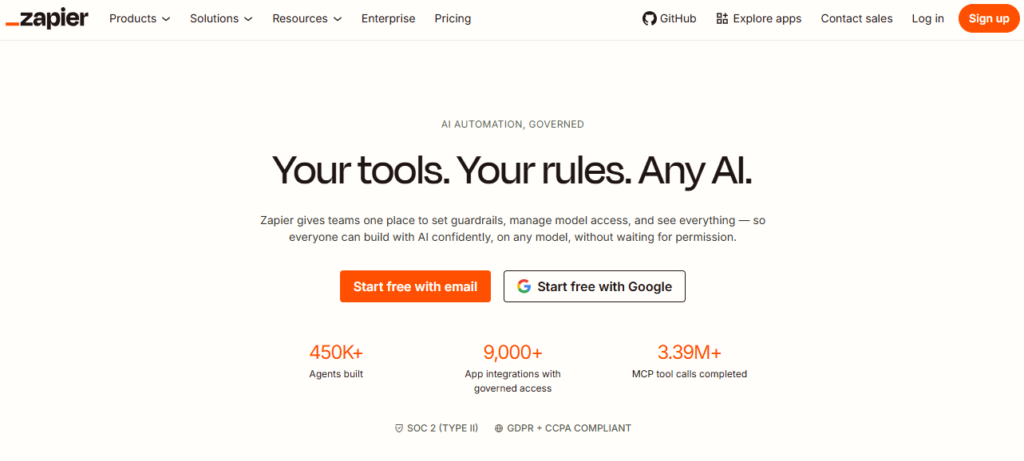
Zapier is often the first automation platform businesses encounter.
The platform connects thousands of applications and allows users to automate repetitive tasks without coding.
Why Agencies Use Zapier
Agencies use Zapier for:
- Lead routing
- CRM updates
- Email notifications
- Form integrations
- Reporting workflows
My Experience
Zapier is excellent for beginners.
However, many growing agencies eventually migrate to Make.com or n8n when workflows become more complex.
Pros
- Easy setup
- Massive integration library
- Strong documentation
Cons
- Expensive at scale
- Limited flexibility for advanced workflows
Best For
Small agencies and automation beginners.
12. Perplexity
Best For: Research and Competitive Analysis
Official Website:
https://perplexity.ai
Research is one of the most time-consuming activities in marketing, SEO, and content creation.
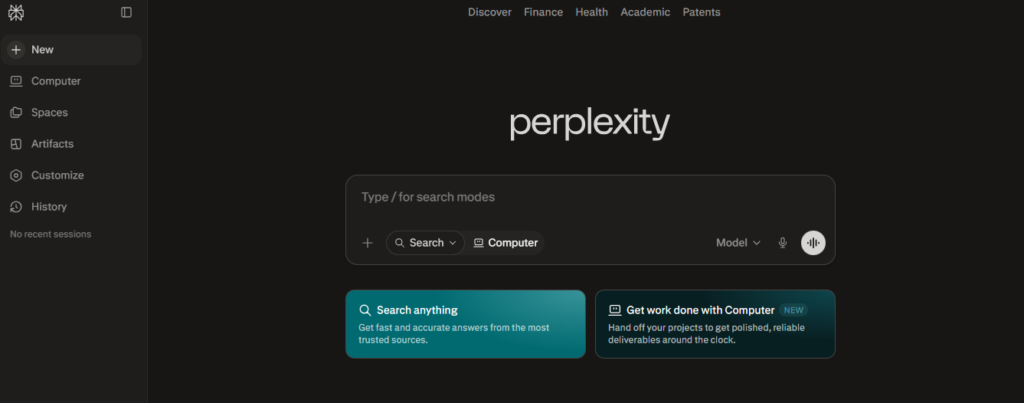
Perplexity combines AI-powered answers with source citations, making it a valuable research assistant.
Why Agencies Use Perplexity
Agencies use Perplexity for:
- Competitor research
- Industry analysis
- Content research
- Trend monitoring
- Client preparation
My Experience
Perplexity significantly reduces research time while helping teams discover information faster.
Pros
- Fast research
- Source-backed answers
- Excellent user experience
Cons
- Not a workflow automation platform
Best For
SEO agencies, content agencies, and strategy teams.
13. Notion AI
Best For: Knowledge Management and Documentation
Official Website:
https://notion.so
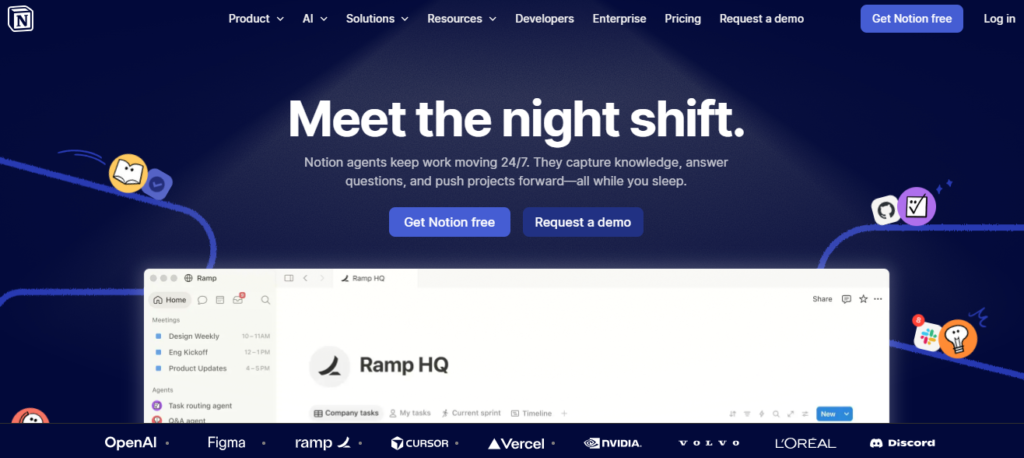
Knowledge management becomes increasingly important as agencies grow.
Notion AI helps agencies organize information, create documentation, and improve collaboration.
Why Agencies Use Notion AI
Popular use cases include:
- SOP creation
- Internal documentation
- Content planning
- Project organization
- Team collaboration
My Experience
Agencies with strong documentation processes often scale more efficiently.
Notion AI helps accelerate documentation while maintaining organization.
Pros
- Flexible workspace
- AI writing assistance
- Strong collaboration features
Cons
- Not designed for complex automation
Best For
Growing agencies and remote teams.
14. ClickUp
Best For: Project Management
Official Website:
https://clickup.com
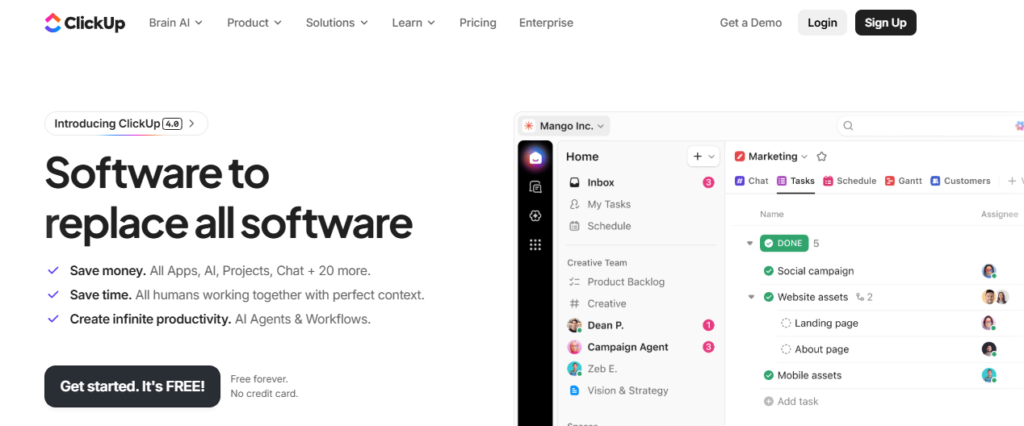
ClickUp has become one of the most popular project management platforms for agencies.
The platform combines task management, documentation, reporting, and collaboration tools.
Why Agencies Use ClickUp
Agencies use ClickUp to manage:
- Client projects
- Team workloads
- Deliverables
- Campaigns
- Internal processes
My Experience
For project visibility and operational control, ClickUp provides significant value.
Pros
- Comprehensive feature set
- Strong customization
- Good reporting
Cons
- Learning curve
- Can feel overwhelming initially
Best For
Agencies managing multiple clients and teams.
15. Loom
Best For: Client Communication
Official Website:
https://loom.com
Communication is one of the biggest challenges agencies face.
Loom allows teams to record quick video messages, reducing meetings and improving collaboration.
Why Agencies Use Loom
Common use cases include:
- Client updates
- Feedback delivery
- Team training
- Onboarding
My Experience
Loom helps agencies communicate more effectively while saving time.
Pros
- Easy to use
- Improves communication
- Reduces meetings
Cons
- Not an automation platform
Best For
Any agency managing client relationships.
Comparison Table
| Tool | Best For | AI Features | Automation | Agency Friendly |
|---|---|---|---|---|
| n8n | AI Automation | Excellent | Excellent | Yes |
| Make.com | Workflow Automation | Good | Excellent | Yes |
| OpenAI | Content Creation | Excellent | Medium | Yes |
| Claude | Long Content | Excellent | Medium | Yes |
| Relevance AI | AI Agents | Excellent | Excellent | Yes |
| Airtable | Operations | Good | Medium | Yes |
| Clay | Lead Generation | Good | Medium | Yes |
| Apollo | Outreach | Good | Medium | Yes |
| HubSpot | CRM | Good | Good | Yes |
| Instantly | Cold Email | Medium | Good | Yes |
| Zapier | Automation | Medium | Good | Yes |
| Perplexity | Research | Excellent | Low | Yes |
| Notion AI | Documentation | Good | Low | Yes |
| ClickUp | Project Management | Medium | Low | Yes |
| Loom | Communication | Low | Low | Yes |
Our Recommendation So Far
If an agency could only choose five tools, the strongest stack would be:
- n8n
- OpenAI
- Claude
- Airtable
- Clay
This combination covers:
- Workflow automation
- AI content creation
- Research
- Operations management
- Lead generation
Real Agency Automation Workflows
One of the biggest mistakes agencies make is buying AI tools without understanding how those tools work together. The real power of AI automation comes from combining multiple tools into complete systems.
Below are some of the most effective automation workflows agencies are using in 2026.
Workflow 1: AI-Powered Lead Generation System
Tools Used
- Clay
- Apollo
- OpenAI
- n8n
- HubSpot
How It Works
Step 1: Apollo identifies potential prospects based on industry, company size, location, and decision-maker roles.
Step 2: Clay enriches the lead data by collecting additional information such as company details, technology stack, social profiles, and recent company activities.
Step 3: OpenAI analyzes the prospect and creates personalized outreach messages based on available data.
Step 4: n8n automates workflow execution and sends prospects into HubSpot.
Step 5: Automated email sequences begin while sales representatives receive notifications for high-priority prospects.
Benefits
- Faster lead generation
- Improved personalization
- Higher response rates
- Reduced manual research
Workflow 2: AI Content Marketing System
Tools Used
- OpenAI
- Claude
- Airtable
- n8n
- WordPress
How It Works
Step 1: Keywords are collected from SEO research.
Step 2: Airtable stores content ideas and production schedules.
Step 3: OpenAI generates content outlines and initial drafts.
Step 4: Claude improves content quality, expands explanations, and strengthens readability.
Step 5: n8n automatically uploads drafts into WordPress.
Step 6: Social media posts are generated and distributed automatically.
Benefits
- Faster content production
- Consistent publishing schedules
- Reduced workload for content teams
- Improved content scalability
Workflow 3: Automated Client Reporting System
Tools Used
- Airtable
- Make.com
- Looker Studio
- Google Analytics
- Google Search Console
How It Works
Step 1: Marketing data is collected automatically.
Step 2: Make.com transfers information into Airtable.
Step 3: Dashboards update automatically.
Step 4: Monthly reports are generated.
Step 5: Clients receive reports without manual intervention.
Benefits
- Time savings
- Improved accuracy
- Better client communication
- Consistent reporting
Workflow 4: AI Customer Support System
Tools Used
- OpenAI
- Relevance AI
- HubSpot
- n8n
How It Works
Step 1: Customer inquiries are received.
Step 2: AI classifies support requests.
Step 3: Common questions receive immediate responses.
Step 4: Complex requests are escalated to human agents.
Step 5: Customer interactions are logged automatically.
Benefits
- Faster response times
- Improved customer satisfaction
- Reduced support costs
Best AI Automation tools Stack by Agency Size
Different agencies have different needs. The ideal technology stack depends on team size, client volume, and operational complexity.
Solo Agency
Recommended Stack
- OpenAI
- Make.com
- Airtable
Why?
Solo operators need affordable tools that are easy to implement.
This combination provides:
- Content creation
- Workflow automation
- Project management
without excessive complexity.
Small Agency (2–10 Employees)
Recommended Stack
- Claude
- Make.com
- Apollo
- Airtable
Why?
Small agencies often focus heavily on client acquisition and service delivery.
This stack supports:
- Lead generation
- Content creation
- Reporting
- Workflow automation
while remaining easy to manage.
Growing Agency (10–50 Employees)
Recommended Stack
- n8n
- OpenAI
- Clay
- Airtable
- HubSpot
Why?
As agencies grow, workflow complexity increases.
This stack provides:
- Advanced automation
- Lead generation
- CRM management
- AI content creation
while supporting scalability.
Enterprise Agency
Recommended Stack
- n8n
- Relevance AI
- HubSpot
- OpenAI
- Claude
Why?
Enterprise agencies require:
- AI agents
- Custom workflows
- Security controls
- Advanced reporting
This combination delivers enterprise-grade capabilities.
Common Mistakes Agencies Make With AI Automation
AI automation can dramatically improve efficiency, but implementation mistakes can reduce results.
Using Too Many Tools
Many agencies adopt dozens of platforms without a clear strategy.
This creates:
- Complexity
- Additional costs
- Integration challenges
Start with a small stack and expand gradually.
Automating Broken Processes
Automation should improve processes, not hide inefficiencies.
Before automating a workflow:
- Document it
- Optimize it
- Then automate it
Ignoring Documentation
As automation systems grow, documentation becomes critical.
Document:
- Workflows
- Integrations
- Credentials
- Processes
This simplifies maintenance and onboarding.
Over-Relying on AI
AI is a powerful assistant, but human oversight remains essential.
Always review:
- Content
- Client communications
- Strategic recommendations
before publication or delivery.
Not Measuring ROI
Agencies should evaluate:
- Time saved
- Costs reduced
- Revenue generated
- Productivity improvements
This ensures automation investments produce meaningful results.
Future of Best AI Automation tools for Agencies
The next few years will bring significant changes to agency operations.
Several trends are already emerging.
AI Agents
AI agents can perform multi-step tasks independently.
Examples include:
- Research agents
- Sales agents
- Customer support agents
This area is expected to grow rapidly.
Multi-Agent Systems
Instead of using a single AI assistant, agencies will deploy multiple specialized agents working together.
For example:
- Research Agent
- Content Agent
- SEO Agent
- Outreach Agent
Each performs a specific role within larger workflows.
Hyperautomation
Hyperautomation combines:
- AI
- Workflow automation
- Analytics
- Business intelligence
to automate entire business processes.
Personalized Marketing at Scale
AI will enable agencies to create highly personalized experiences for thousands of customers simultaneously.
This will improve:
- Engagement
- Conversion rates
- Customer retention
Predictive Automation
Future systems will not simply react to events.
They will predict:
- Customer behavior
- Market trends
- Sales opportunities
and trigger actions automatically.
Our Final Recommendations
After evaluating the most popular AI automation tools available today, these are our recommendations.
Best Overall AI Automation Tool
n8n
Best combination of flexibility, scalability, integrations, and AI automation.
Best Tool for Beginners
Make.com
Simple, intuitive, and easy to learn.
Best AI Writing Tool
Claude
Excellent for long-form content and research.
Best AI Research Tool
Perplexity
Fast access to information with source citations.
Best Lead Generation Tool
Clay
Powerful enrichment and prospecting capabilities.
Best Outreach Platform
Apollo
Strong prospect database and outreach features.
Best CRM Platform
HubSpot
Comprehensive customer relationship management system.
Best AI Agent Platform
Relevance AI
Purpose-built for developing AI-powered agents.
Best Project Management Tool
ClickUp
Highly customizable and scalable.
Best Agency Operations Platform
Airtable
Flexible database and workflow management system.
Best Overall Agency Technology Stack
If we were building an agency from scratch today, our recommended stack would be:
- n8n
- OpenAI
- Claude
- Airtable
- Clay
- HubSpot
This combination provides:
- Workflow automation
- Content generation
- Research capabilities
- Operations management
- Lead generation
- CRM functionality
while remaining scalable for future growth.
Frequently Asked Questions
What are AI automation tools?
AI automation tools combine artificial intelligence and workflow automation to automate repetitive business processes, improve efficiency, and reduce manual work.
Which AI automation tool is best for agencies?
For advanced automation, n8n is one of the strongest platforms available. For beginners, Make.com remains an excellent option.
Is n8n better than Make.com?
n8n offers greater flexibility, self-hosting, and advanced workflow capabilities. Make.com is generally easier for beginners.
What is the best AI agent platform?
Relevance AI is currently one of the most popular platforms for building AI agents.
Can agencies automate lead generation?
Yes. Tools such as Clay, Apollo, OpenAI, and n8n can automate large portions of the lead generation process.
Which AI tool is best for content creation?
OpenAI and Claude are among the most widely used tools for content creation.
Are AI automation tools expensive?
Costs vary significantly. Many agencies begin with affordable tools and expand their stack as they grow.
Can AI replace agency employees?
No. AI is most effective when used to support employees by automating repetitive tasks and improving productivity.
How much can agencies save with automation?
Savings depend on workflow complexity, but many agencies report substantial reductions in manual work and operational costs.
Conclusion
AI automation is no longer optional for agencies that want to remain competitive. The agencies that successfully combine workflow automation, artificial intelligence, CRM systems, and operational tools will be better positioned to scale efficiently and serve more clients.
While every agency has unique requirements, tools such as n8n, Make.com, OpenAI, Claude, Airtable, Clay, Apollo, HubSpot, and Relevance AI represent some of the strongest options available today.
The most important step is not choosing every tool at once. Start with the tools that solve your biggest bottlenecks, build reliable workflows, measure results, and expand your automation stack over time.
Agencies that embrace AI automation today will have a significant advantage in productivity, profitability, and scalability over the coming years.