






When most brands announce a collaboration, the reaction is predictable. A few headlines. A few social media posts. Maybe a short spike in sales.
- More Than a Shoe, More Than a Toy
- Why This Collaboration Feels So Natural
- The Power of Nostalgia in Modern Marketing
- Design That Triggers Memory
- Cultural Timing Matters
- Turning Product Into Identity
- Scarcity and Hype Strategy
- From Mocked to Iconic
- The Emotional Layer Most Brands Miss
- Lessons for Marketers
- Is This Just a Trend?
- Childhood, Reimagined
But when LEGO and Crocs joined forces, the response felt different.
It wasn’t just hype.
It felt personal.
Because this wasn’t just a product drop. It was a childhood memory redesigned as something you could actually wear.
And that is what makes this collaboration so powerful.
More Than a Shoe, More Than a Toy
For many people, LEGO is not just a toy brand. It represents hours spent building cities on bedroom floors, creating spaceships from imagination, and stepping painfully on tiny bricks in the middle of the night. It represents creativity without limits.
Crocs, on the other hand, represent comfort. They were once considered “ugly shoes.” Now, they are everywhere. From healthcare workers to celebrities, Crocs became a symbol of confidence and individuality.


When these two brands came together, something interesting happened.
They didn’t just combine logos. They combined emotions.
The result feels less like a marketing campaign and more like a shared cultural moment. You’re not just buying footwear. You’re buying a memory.
Why This Collaboration Feels So Natural
Many brand collaborations feel forced. Two companies combine for attention, but their identities don’t truly match. Consumers can sense when something feels artificial.
That is not the case here.
LEGO stands for imagination, creativity, and play. Crocs stand for comfort, self-expression, and fun. Both brands are colorful, bold, and not afraid to be different.
In fact, both brands were underestimated at some point.
There was a time when Crocs were mocked. There was a time when people thought LEGO was just for kids. Today, both are cultural icons with loyal global audiences.
Their partnership makes sense because their values align. They both encourage individuality. They both embrace bold design. And they both appeal to people who are comfortable standing out.
That shared identity is what makes the collaboration feel authentic.
The Power of Nostalgia in Modern Marketing
One of the biggest reasons this collaboration works is nostalgia.
Nostalgia is one of the strongest emotional triggers in marketing. It brings back memories of simpler times. It creates comfort. It builds instant emotional connection.
For millennials and older Gen Z consumers, LEGO represents childhood. Now many of those same consumers are adults with purchasing power. Some are even parents.
When they see LEGO-themed Crocs, something happens internally. It feels familiar. It feels safe. It feels joyful.
That emotional reaction is powerful.
Instead of marketing based on features like “durable material” or “lightweight foam,” this collaboration sells something deeper: memory.
And memory is often stronger than logic when it comes to buying decisions.
Design That Triggers Memory
The design itself plays a huge role in why this works.
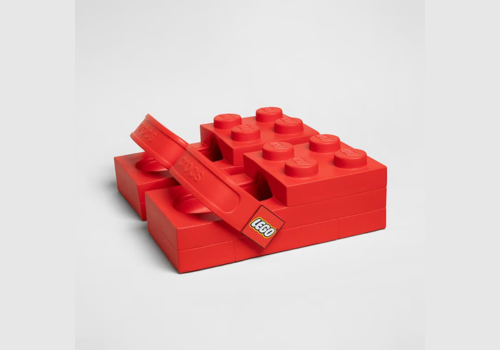
The texture of LEGO studs. The bright primary colors. The ability to attach decorative pieces. All of it triggers recognition.
Crocs are already customizable through charms. That fits perfectly with LEGO’s core idea of building and modifying. The concept of adding and rearranging pieces feels natural on a Crocs silhouette.
Visually, the collaboration is bold. It is not subtle. It does not try to look minimal or serious.
That boldness works because it mirrors childhood creativity. Kids do not build in neutral colors. They build in red, blue, yellow, and green. The design reflects that energy.
When design matches emotional memory, it becomes more than decoration. It becomes storytelling.
Cultural Timing Matters
Another reason this collaboration succeeds is timing.
We are living in an era of nostalgia. Fashion cycles from the late 90s and early 2000s are back. Bright colors are trending. Comfort is no longer optional; it is essential.
After years of stress, uncertainty, and fast-paced digital culture, consumers are craving comfort and familiarity. Crocs already fit the comfort trend. LEGO fits the familiarity trend.
Together, they create something that feels comforting both physically and emotionally.
Social media also plays a role. A colorful, playful shoe is highly shareable. It photographs well. It sparks conversation. It stands out in a feed filled with neutral tones.
In today’s digital world, shareability equals visibility.
Turning Product Into Identity
The most successful modern brands do not just sell products. They sell identity.
When someone wears LEGO × Crocs, they are making a statement. They are saying:
“I don’t take myself too seriously.”
“I value creativity.”
“I’m comfortable being different.”
That identity signaling is powerful.
Consumers today are more likely to support brands that reflect their personality. A collaboration like this allows people to wear something that represents their inner child while still fitting into adult life.
It bridges the gap between past and present.
That emotional bridge is what transforms a product into a symbol.
Scarcity and Hype Strategy
Limited collaborations create urgency. When consumers know a product will not be available forever, interest increases.
Scarcity marketing is not new. But when combined with strong emotional appeal, it becomes even more effective.
People are not just afraid of missing a shoe. They are afraid of missing a cultural moment.
That fear of missing out drives quick purchasing decisions.
But scarcity alone does not guarantee success. Many limited releases fail because they lack emotional depth. In this case, the emotional foundation was already strong before scarcity even entered the picture.
That is what makes the strategy smart.
From Mocked to Iconic
There is another interesting layer to this collaboration.
Both LEGO and Crocs have faced criticism at different points in their history. Crocs were once called ugly. LEGO was once considered outdated in a digital world.
Yet both brands adapted. They leaned into their uniqueness instead of running from it.
Crocs embraced boldness and comfort. LEGO expanded into movies, adult sets, and pop culture partnerships.
Their collaboration feels like a celebration of resilience. It shows that brands can evolve without losing their identity.
That narrative adds depth to the partnership. It is not just about design. It is about growth.
The Emotional Layer Most Brands Miss
Many companies focus on functionality. They highlight features, materials, and technical benefits.
But emotional branding often outperforms feature-based marketing.
The LEGO × Crocs collaboration succeeds because it connects emotionally first and logically second.
Yes, the shoes are comfortable. Yes, the design is unique. But what truly drives attention is the emotional story.
It reminds people of sitting on the floor building something from scratch. It reminds them of imagination before responsibilities took over.
That emotional spark is what makes consumers stop scrolling and start paying attention.
Lessons for Marketers
There are several important lessons in this collaboration.
First, successful partnerships are built on shared values, not just shared audiences. When two brands truly align, the result feels authentic.
Second, nostalgia is not about the past alone. It is about reconnecting people with feelings they want to experience again.
Third, a bold design can be more powerful than a safe design. Standing out creates conversation.
Fourth, identity matters. When consumers see themselves reflected in a product, they are more likely to buy it.
Finally, emotional storytelling creates long-term impact. Trends fade, but emotional memories last.
Is This Just a Trend?
Some may argue that collaborations are everywhere and that hype fades quickly.
That may be true in many cases.
But collaborations rooted in emotional memory tend to last longer in cultural conversation.
The LEGO × Crocs partnership is not just about combining two logos. It is about combining two emotional experiences: creativity and comfort.
As long as brands continue to prioritise emotional connection over surface-level attention, collaborations like this will continue to succeed.
Childhood, Reimagined
At its core, this collaboration answers a simple question:
What if you could wear a piece of your childhood?
Not in a costume way. Not in a childish way. But in a confident, playful, modern way.
That is what makes this partnership powerful. It transforms nostalgia into something tangible. It turns memory into design. It makes creativity wearable.
And in a world where most marketing feels loud and transactional, something that feels joyful and genuine stands out.
That is why LEGO × Crocs works better than it should.
Because it is not just a collaboration.
It is a reminder of who we were, and who we still are underneath it all.