





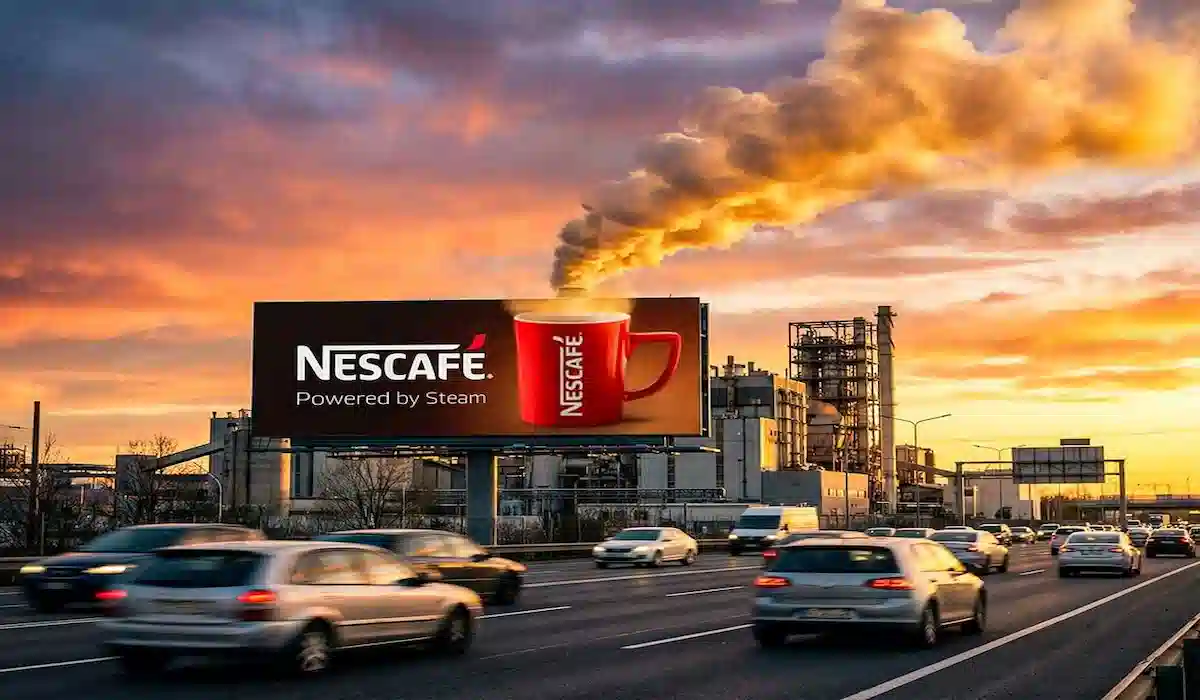

Imagine driving along an industrial road in Egypt at dawn. Grey factory chimneys release steady plumes of smoke into the cool morning air. Then, your eyes catch a roadside billboard: a simple, oversized Nescafé coffee mug. As the smoke rises, it appears to pour directly from the cup, creating the perfect illusion of fresh, steaming coffee. No special effects, no digital tricks—just clever alignment turning an everyday urban scene into a warm, inviting brand moment.
This is the essence of “Nescafé Turns Factory Smoke into Steam”, a brilliant ambient outdoor advertising concept that captured attention across creative networks in early 2026. Developed as a student project by Ziad Waleed at Helwan University in Egypt, the idea was first shared in January 2026 and quickly spread across platforms such as Ads of the World, Instagram, Threads, LinkedIn, and marketing blogs.
While it remains a conceptual student work rather than an official Nescafé execution, its low-budget ingenuity, visual poetry, and subtle environmental commentary have made it one of the most talked-about OOH ideas of the year.
In this in-depth exploration, we dive into the full story behind the campaign, the technical magic of the illusion, the creative thinking that made it so effective, real-world feasibility considerations, comparisons to other landmark ambient campaigns, and the key marketing lessons it offers for brands in 2026.
The Campaign Story and Origin
The concept, often referred to as “Powered by Steam” in creative circles, features a minimalist billboard showing only a Nescafé coffee mug. The tagline “Fueled by more than just machinery” adds a thoughtful layer, suggesting that the day’s energy comes from more than industrial output—it comes from a comforting morning ritual.
Ziad Waleed, the student creator from Helwan University (a respected design institution in Egypt), crafted this as part of his academic portfolio. The project challenged students to rethink outdoor advertising by incorporating real-world environments instead of fighting against them. Ziad chose Nescafé for its universal association with coffee steam and paired it with Egypt’s industrial landscapes, where factories near highways provide natural sightlines for alignment.
Once submitted online in early 2026, the idea gained organic traction in regional marketing communities. Nescafé has not publicly adopted or executed it, but the concept has inspired recreations and discussions, proving that powerful marketing can emerge from a classroom without a massive agency budget.
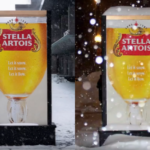
Ziad Waleed’s idea reminds us that the best advertising often comes from observation and restraint. Campaigns like Stella Artois’ snowstorm activation prove that letting the real world finish the story can create moments people remember and share.
The Technical Magic Behind the Illusion
What makes this concept so effective is its reliance on precise spatial engineering rather than production complexity. The billboard itself is simple: a large, clean graphic of a Nescafé mug with minimal text. The key innovation lies in placement—the board is positioned so that, from the primary viewing angles along the road (typically 100–200 meters away), the mug’s top rim aligns exactly with the base of a nearby factory chimney.
As smoke rises naturally from the chimney—particularly consistent during cooler morning hours when commuters are on the move—it flows upward and visually emerges from the cup. This creates a dynamic, real-time effect: the “steam” changes with wind, weather, and time of day, making the ad feel alive and interactive.
No CGI or special materials are needed. The environment supplies the visual element, turning what could be an eyesore (industrial emissions) into the campaign’s star feature. Practical challenges such as wind variability and inconsistent smoke density are addressed through careful site selection and timing, ensuring the illusion works reliably during peak commute periods.
Creative Depth and Symbolic Power
Beyond the clever trick, the campaign carries meaningful emotional and thematic weight. It juxtaposes the grit of industrial smoke with the warmth and comfort of coffee, transforming an urban negative into a positive daily ritual. The tagline subtly reframes pollution as something energizing, offering a light sustainability message without being overt.
The minimal design—relying on just the mug graphic and perfect alignment—allows the real world to complete the narrative. In an advertising landscape saturated with digital overload, this raw, authentic integration feels refreshing and highly shareable. Passersby are naturally encouraged to stop, photograph the moment, and post it online, amplifying reach organically.
Real-World Execution Considerations
As a student concept, the idea prioritizes creativity over logistics, but it remains surprisingly practical for real implementation. Costs would be modest: standard billboard rental and basic printing, with no need for elaborate production teams or effects. Scaling could involve multiple industrial sites for broader coverage in cities with similar landscapes.
Potential hurdles include securing local permissions, managing weather-related dependencies, and addressing air-quality sensitivities. However, in markets with heavy industrial zones near highways—such as Egypt, parts of India, China, or Latin America—the concept is highly feasible. A brand pilot in one location could quickly validate its social and engagement impact before wider rollout.
How It Compares to Other Iconic Ambient OOH Campaigns
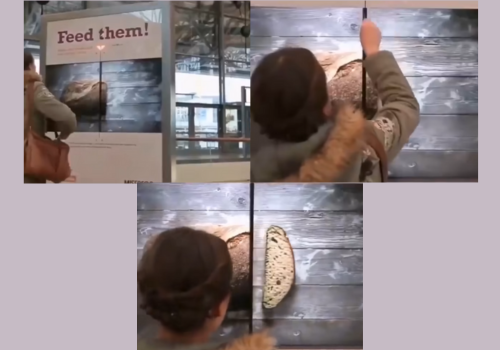
This idea echoes some of the most memorable ambient executions while carving its own space in 2026. IKEA’s “Bookbook” campaign turned catalogs into physical “books” mailed to homes, creating delight through surprise. Burger King’s sidewalk shadow projections playfully integrated food visuals into urban environments. Dove’s Real Beauty series used emotional storytelling to challenge norms.
What distinguishes “Nescafé Turns Factory Smoke into Steam” is its complete reliance on real-time environmental integration and its eco-reframing of pollution. In an era where brands are under pressure to demonstrate authenticity and environmental awareness, this concept feels particularly timely and innovative.
While Nescafé uses subtle environmental integration, other campaigns go big on scale. For example, Yoigo’s 24-meter-high Netflix viewing stunt in Madrid turned an entire building into a massive outdoor screen, creating a brazen, attention-grabbing activation that shares the same spirit of using the urban environment as the canvas.
Key Marketing Lessons for 2026
The campaign offers several enduring takeaways wrapped in contemporary relevance. Ambient advertising performs best when it collaborates with the surroundings rather than competing against them. Minimalism—using fewer elements—often creates a stronger, more memorable impact. Subtle sustainability messaging can resonate deeply when delivered through clever visuals rather than direct preaching.
Brands should actively scout university projects and emerging talent for fresh ideas, as student work often pushes boundaries free from commercial constraints. Testing small-scale executions allows measurement of social lift and organic sharing before committing to larger budgets. Overall, “site-specific storytelling”—where the location itself becomes part of the creative—continues to rise as a dominant trend in outdoor advertising.
Visual Insights and Campaign Highlights
The core visuals showcase the billboard from multiple perspectives, with smoke flowing naturally to complete the illusion. Annotated breakdowns highlight alignment angles and sightlines, making the technical aspect easy to understand. (Embed the original campaign images here, with descriptive alt text such as “Nescafé billboard aligned with factory chimney smoke for steaming coffee effect”.)
Frequently Asked Questions
Is this an official Nescafé campaign?
No—it is a student concept created by Ziad Waleed from Helwan University in Egypt. Nescafé has not officially executed or endorsed it.
Who is behind the idea?
Ziad Waleed served as the sole creator, handling concept development, art direction, and graphic design.
Could a brand actually implement this?
Yes, with proper site scouting, local permissions, and safety considerations—it is low-cost and scalable in suitable industrial areas.
Why has it gained so much attention?
The real-time visual illusion, zero-budget creativity, and timely sustainability angle make it highly shareable among creative and marketing audiences.
Where is the campaign set?
Conceptualized for industrial zones in Egypt; no confirmed physical installation has been documented.
Final Thoughts
Ziad Waleed’s “Nescafé Turns Factory Smoke into Steam” demonstrates that the most powerful advertising often comes from observation and restraint rather than excess. In a world of increasingly complex digital campaigns, this simple, environment-driven idea cuts through with authenticity and charm. It’s a reminder that creativity doesn’t require big budgets—just sharp insight and the courage to let the real world finish the story.