






Marketing trends change constantly. Every year brands experiment with complex digital strategies, advanced targeting, and creative storytelling. Yet sometimes the most powerful campaigns succeed because they focus on something very simple: a real problem and a clear solution.
- Understanding the Core Idea Behind the Campaign
- Why Simplicity Made the Campaign Powerful
- A Campaign Rooted in Real Human Experience
- The Role of Brand Trust in the Campaign
- Visual Storytelling That Supports the Message
- Lessons Marketers Can Learn from This Campaign
- Why Simplicity Still Wins in Modern Marketing
- The Bigger Marketing Insight
- Final Thoughts
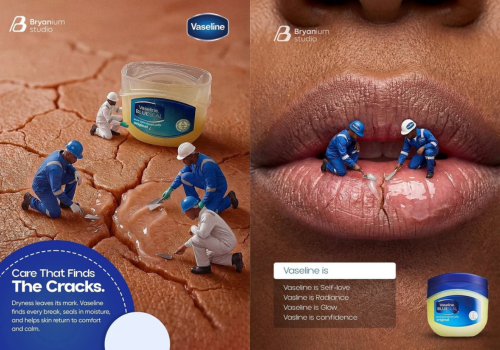
That is exactly what happened with the “Care That Finds the Cracks” campaign from Vaseline. The campaign didn’t rely on flashy visuals or complicated messaging. Instead, it focused on a small but relatable human experience—dry, cracked skin—and showed how a trusted product provides relief.
From a marketing perspective, this campaign is a strong reminder that clarity, empathy, and authenticity often outperform complexity.
Understanding the Core Idea Behind the Campaign
The central concept of the campaign was surprisingly straightforward. Many people suffer from dry or cracked skin during winter or in harsh climates. Instead of presenting this issue in a dramatic or exaggerated way, the campaign highlighted real-life situations where skin care becomes essential.
The phrase “Care That Finds the Cracks” reflects both a physical and emotional message. On the surface, it refers to the product’s ability to heal dry, damaged skin. At a deeper level, it symbolizes how care and attention can reach even the smallest problems people face in everyday life.
From a branding perspective, this dual meaning made the message memorable without complicating the story.
Why Simplicity Made the Campaign Powerful
One of the most important lessons from this campaign is that simplicity improves communication. When a marketing message is easy to understand, audiences process it quickly and remember it longer.
Many campaigns fail because they try to communicate too many ideas at once. This campaign avoided that mistake. The message was focused on a single promise: caring for skin where it needs it most.



The brand did not overwhelm viewers with technical explanations or complex ingredient lists. Instead, it showed the product working in real situations. That simplicity allowed audiences to instantly understand the benefit.
A Campaign Rooted in Real Human Experience
A major strength of the campaign was its connection to everyday experiences. Dry skin is something most people have dealt with at some point, whether in cold weather or after frequent handwashing.
By focusing on relatable moments, the campaign built emotional trust with viewers. The message felt practical rather than promotional. Instead of saying “buy this product,” it showed why the product mattered.
This type of storytelling aligns well with modern marketing principles. Today’s audiences respond better to authentic experiences than to overly polished advertising.
The Role of Brand Trust in the Campaign
Another reason the campaign worked so well is Vaseline’s long-standing reputation. The brand has been associated with skin protection and healing for generations.
When a brand already has strong credibility, simple messaging becomes even more effective. Consumers do not need long explanations to believe the product works. The campaign simply reminded them of a benefit they already trust.
From a marketing perspective, this demonstrates how brand history and product consistency support effective advertising.
Visual Storytelling That Supports the Message
The visuals used in the campaign were subtle but meaningful. Instead of dramatic or exaggerated imagery, the campaign used close-up details to highlight cracked skin and the product’s healing effect.
This visual approach reinforced the message without distracting from it. The images supported the concept of care reaching small cracks, making the slogan feel more tangible.
In marketing design, this technique is powerful. When visuals and messaging align perfectly, audiences remember the story more clearly.
Lessons Marketers Can Learn from This Campaign
There are several practical lessons that marketers, content creators, and brand strategists can learn from this campaign.
First, campaigns should focus on a clear and specific problem. When the audience immediately recognizes the issue being addressed, they are more likely to engage with the message.
Second, the solution should be presented in a simple and believable way. Overly complex explanations often reduce trust rather than increase it.
Third, emotional relevance matters. Even a small everyday problem can create a meaningful connection if the brand shows genuine understanding.
These principles apply not only to global brands but also to small businesses and digital marketers.
Why Simplicity Still Wins in Modern Marketing
Modern marketing often feels crowded with data, automation tools, and algorithm-driven strategies. While these tools are useful, they cannot replace clear communication.
The success of this campaign demonstrates that simplicity cuts through noise. When a message is focused and human-centered, it naturally attracts attention.
Consumers today are exposed to thousands of ads each day. The brands that succeed are usually those that communicate quickly and honestly.
The Bigger Marketing Insight
The biggest takeaway from the “Care That Finds the Cracks” campaign is that effective marketing does not always require complex storytelling or large production budgets.
Sometimes success comes from understanding people, identifying a real problem, and presenting a genuine solution in a simple way.
In a world full of loud advertising, simplicity can actually be the most powerful strategy.
Final Thoughts
The “Care That Finds the Cracks” campaign from Vaseline stands as a clear example of how thoughtful, human-centered marketing can outperform complicated strategies.
By focusing on a relatable issue, using clear messaging, and relying on brand trust, the campaign proved that simplicity still holds enormous power in advertising.
For marketers, content creators, and business owners, the lesson is straightforward: understand your audience, communicate clearly, and never underestimate the impact of a simple idea executed well.