





For nearly two decades, Nespresso built one of the most recognizable luxury coffee identities in the world—anchored by the timeless charm and understated wit of George Clooney. But in 2026, that era is no longer the centerpiece of its brand story.
- A New Brew: Inside Nespresso’s Gen Z Marketing Pivot
- Why Dua Lipa Represents the Future of Brand Influence
- George Clooney’s Legacy: More Than Just Advertising
- When Marketing Meets Activism: Clooney’s Unusual Impact
- From Purpose to Aspiration: A Defining Strategic Shift
- The Bigger Marketing Play: What Nespresso Is Really Doing
- Key Takeaways for Marketers and Brands
- Risks That Could Shape the Outcome
- FAQs
- Conclusion
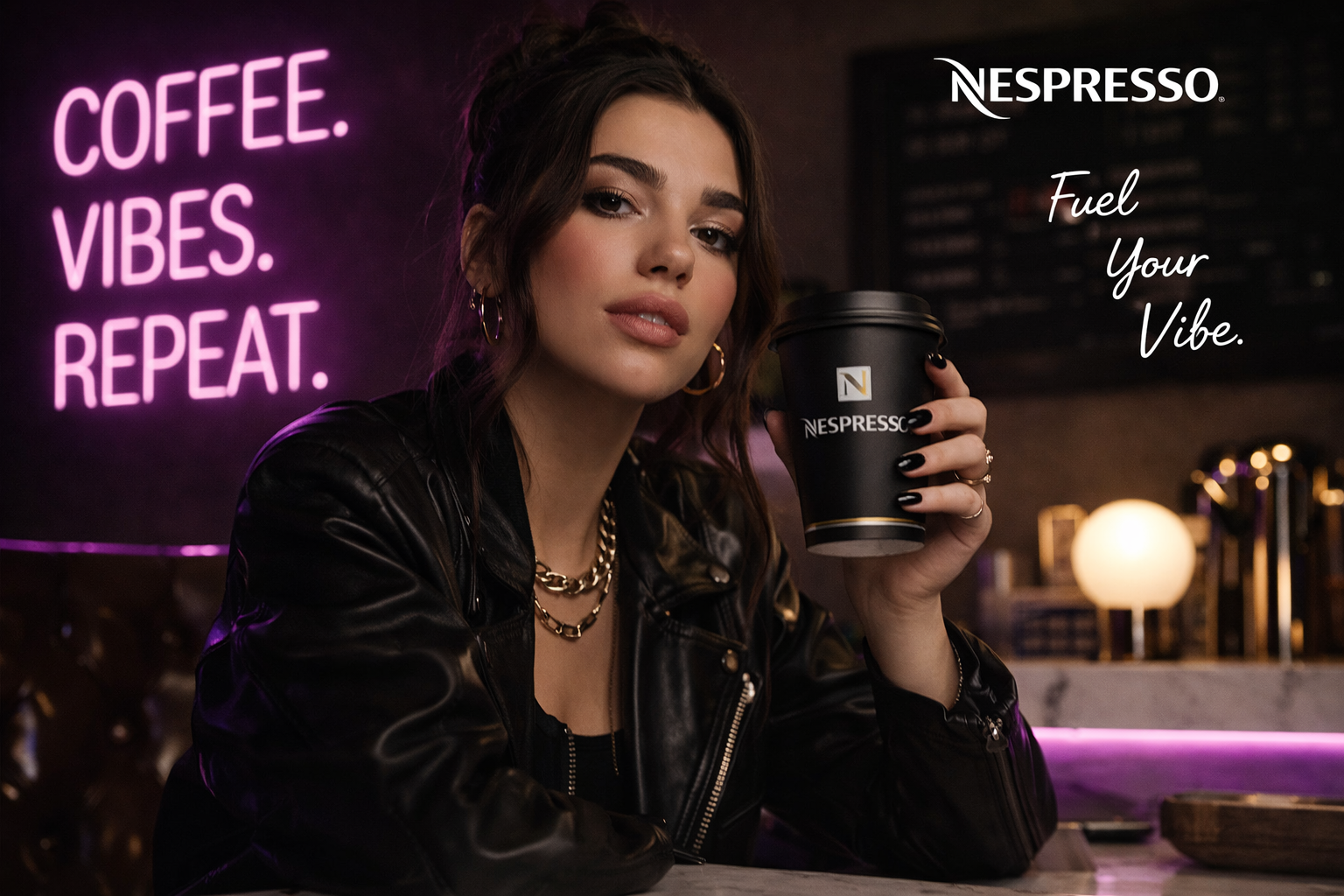
With the appointment of global pop icon Dua Lipa as its new ambassador, Nespresso is not just refreshing its campaigns—it is redefining how it connects with a new generation of consumers.
This transition is more than a celebrity swap. It signals a broader transformation in marketing strategy: a shift away from legacy-driven storytelling and purpose-led narratives toward a faster, culture-first, Gen Z–oriented brand identity rooted in aspiration, lifestyle, and social relevance.
A New Brew: Inside Nespresso’s Gen Z Marketing Pivot
Nespresso’s latest campaign, reportedly backed by a multi-million-dollar global rollout, is designed to meet younger audiences where they already are—on social media, in lifestyle-driven content, and within trend-based consumption habits.
The focus is no longer just on premium espresso machines or traditional coffee rituals. Instead, the brand is leaning heavily into products that align with evolving consumer behavior:
- Iced coffee experiences tailored for digital-first consumers
- Espresso martinis that blend coffee with social nightlife culture
- Flavored café-style beverages that appeal to experimentation and personalization
This shift reflects a deeper repositioning. Nespresso is no longer selling just coffee—it is selling a modern, shareable, and culturally relevant beverage experience.
Why Dua Lipa Represents the Future of Brand Influence
Dua Lipa’s selection is not accidental—it is highly strategic.
Unlike traditional celebrities who primarily bring recognition, Dua Lipa operates at the intersection of music, fashion, luxury, and digital culture. Her influence extends across industries, making her not just a brand ambassador, but a multi-dimensional cultural asset.



Her previous collaborations with globally recognized brands have positioned her as:
- A symbol of modern luxury
- A trendsetter among Gen Z audiences
- A bridge between entertainment and commerce
For Nespresso, this means immediate access to a younger demographic that values not just products, but identity, aesthetics, and social signaling.
George Clooney’s Legacy: More Than Just Advertising
To understand the magnitude of this shift, it’s important to recognize what George Clooney represented for Nespresso.
Since 2006, Clooney wasn’t just a brand face—he was the brand narrative.
His campaigns consistently portrayed:
- Effortless sophistication
- European luxury aesthetics
- A subtle, humorous tone that elevated brand recall
However, what truly set Clooney apart was how he extended his role beyond marketing.
When Marketing Meets Activism: Clooney’s Unusual Impact
In a rare move for a luxury brand ambassador, Clooney used his earnings from Nespresso campaigns to fund humanitarian initiatives.
One of the most notable was the Satellite Sentinel Project, launched to monitor conflict zones in Sudan and raise global awareness about humanitarian crises.
This approach added a dimension rarely seen in commercial branding—purpose-driven storytelling backed by real-world action.
It positioned Nespresso not just as a premium coffee brand, but as a company indirectly associated with global awareness and responsibility.
From Purpose to Aspiration: A Defining Strategic Shift
The transition from Clooney to Dua Lipa reflects a broader shift happening across global marketing ecosystems.
| Clooney Era | Dua Lipa Era |
|---|---|
| Legacy storytelling | Real-time cultural relevance |
| Activism & purpose | Aspiration & lifestyle |
| Traditional media focus | Social-first, digital-native |
| Timeless branding | Trend-driven positioning |
This isn’t about replacing one ambassador with another—it’s about redefining what kind of brand story resonates today.
As brands increasingly adopt automation and data-driven strategies to personalize experiences at scale, tools like CRM and marketing automation platforms are becoming essential in modern campaigns.
The Bigger Marketing Play: What Nespresso Is Really Doing
From a strategic perspective, this move aligns with three powerful marketing trends shaping 2026 and beyond:
1. Culture-Led Marketing Over Product-Led Marketing
Brands are no longer competing on features—they are competing on relevance.
Nespresso’s campaign shifts focus from what the product does to how it fits into a lifestyle.
2. The Rise of “Shareable Consumption”
Gen Z consumers don’t just consume products—they share experiences.
Iced coffee, visually appealing drinks, and café-style beverages are inherently more “content-friendly,” making them ideal for platforms like Instagram and TikTok.
This shift toward social-first marketing is also supported by AI-powered tools that help brands create, schedule, and optimize content across platforms more efficiently.
3. Celebrity as Ecosystem, Not Endorsement
Dua Lipa brings an entire ecosystem:
- Audience
- Cultural influence
- Cross-industry visibility
This turns a campaign into a multi-channel amplification engine.
Key Takeaways for Marketers and Brands
Nespresso’s transition offers several critical lessons:
- Brands must evolve with audience demographics, not resist them
- Cultural relevance often outweighs traditional brand consistency
- Product positioning should align with modern consumption behavior
- Influencers today must represent ecosystems, not just visibility
Risks That Could Shape the Outcome
While the strategy is forward-thinking, it is not without challenges:
- Alienating long-time customers who associate the brand with Clooney
- Over-dependence on trend cycles that may shift quickly
- Balancing premium positioning with mass-market appeal
The success of this campaign will ultimately depend on how well Nespresso manages this transition without diluting its core identity.
FAQs
Why did Nespresso replace George Clooney with Dua Lipa?
To connect with younger, Gen Z audiences and modernize its brand image.
Is George Clooney still part of Nespresso?
Yes, but his role is now limited and symbolic rather than central.
What is Nespresso’s new marketing focus?
Lifestyle-driven branding, social media engagement, and younger consumer appeal.
Conclusion
Nespresso’s move from George Clooney to Dua Lipa is not simply a change in faces—it is a reflection of how modern branding is evolving.
Where once legacy, consistency, and purpose defined success, today’s market demands speed, relevance, and cultural alignment.
In many ways, this shift captures the essence of modern marketing itself:
from storytelling to participation, from prestige to presence, and from tradition to trend.