




By Mohammad Owais
December 2025
CeraVe has pulled off one of the most effective low-key viral campaigns in recent advertising history — all built on mystery, misdirection and a perfectly executed conspiracy theory featuring Canadian actor Michael Cera.
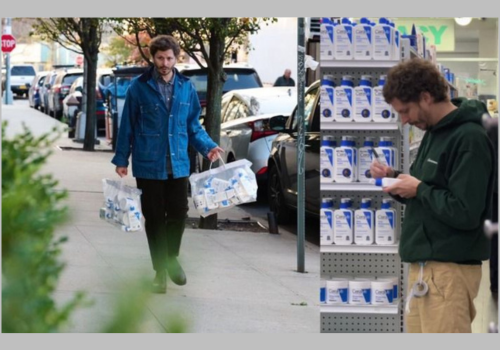
Over several days, Cera was spotted wandering around New York City carrying oversized bags of CeraVe’s Moisturizing Cream, signing bottles in pharmacies, and even placing stickers with his own face on store shelves. None of these appearances were announced. None were branded. And CeraVe said nothing.
The result? The internet lit up.
A Campaign That Let the Internet Write the Story
Without a single official post, consumers began speculating — loudly — about what was happening:
- “Is Michael Cera the founder of CeraVe?”
- “Has he secretly been behind the brand this whole time?”
- “Is that why it’s called Cera-Ve?!”
The theories were completely false. But they spread fast across TikTok, Instagram, and X, creating a global wave of curiosity that money simply can’t buy.
By the time CeraVe confirmed the stunt as part of its Super Bowl campaign rollout, the brand had already secured millions of impressions organically.
Why This Worked: Curiosity Before Announcement
Rather than launching with a press release, a teaser video, or influencer partnerships, CeraVe flipped traditional marketing upside down:

Most brands:
Announce → Hope people care → Try to go viral.
CeraVe:
Make people care → Let speculation build → Reveal at the peak of attention.
This “mystery-first” approach allowed consumers to participate in the campaign, not just observe it. The public became co-authors of the narrative, spreading the story because they genuinely wanted answers.
In an era saturated with loud ads, this quiet, unpredictable tactic cut through the noise.
A Masterclass in Modern Virality
Marketing analysts say the stunt demonstrates a new era of brand storytelling — one built on:
- Authentic-seeming public moments
- Organic social curiosity
- Cultural mischief
- Strategic silence
CeraVe managed to position its Super Bowl campaign as a conversation before it even aired.
The Michael Cera saga wasn’t just a celebrity partnership. It was a viral puzzle — and millions of people wanted to solve it.