

In an industry perpetually captivated by micro-trends, ephemeral digital activations, and novelty menu gimmicks, Burger King pulled off one of the most remarkable turnarounds in modern quick-service restaurant (QSR) history. After years of watching its corporate crown slip—culminating in losing its coveted status as America’s second-largest burger chain to Wendy’s in 2020—Burger King halted its slide, engineered a multi-billion-dollar systemic overhaul, and reclaimed its number two spot.
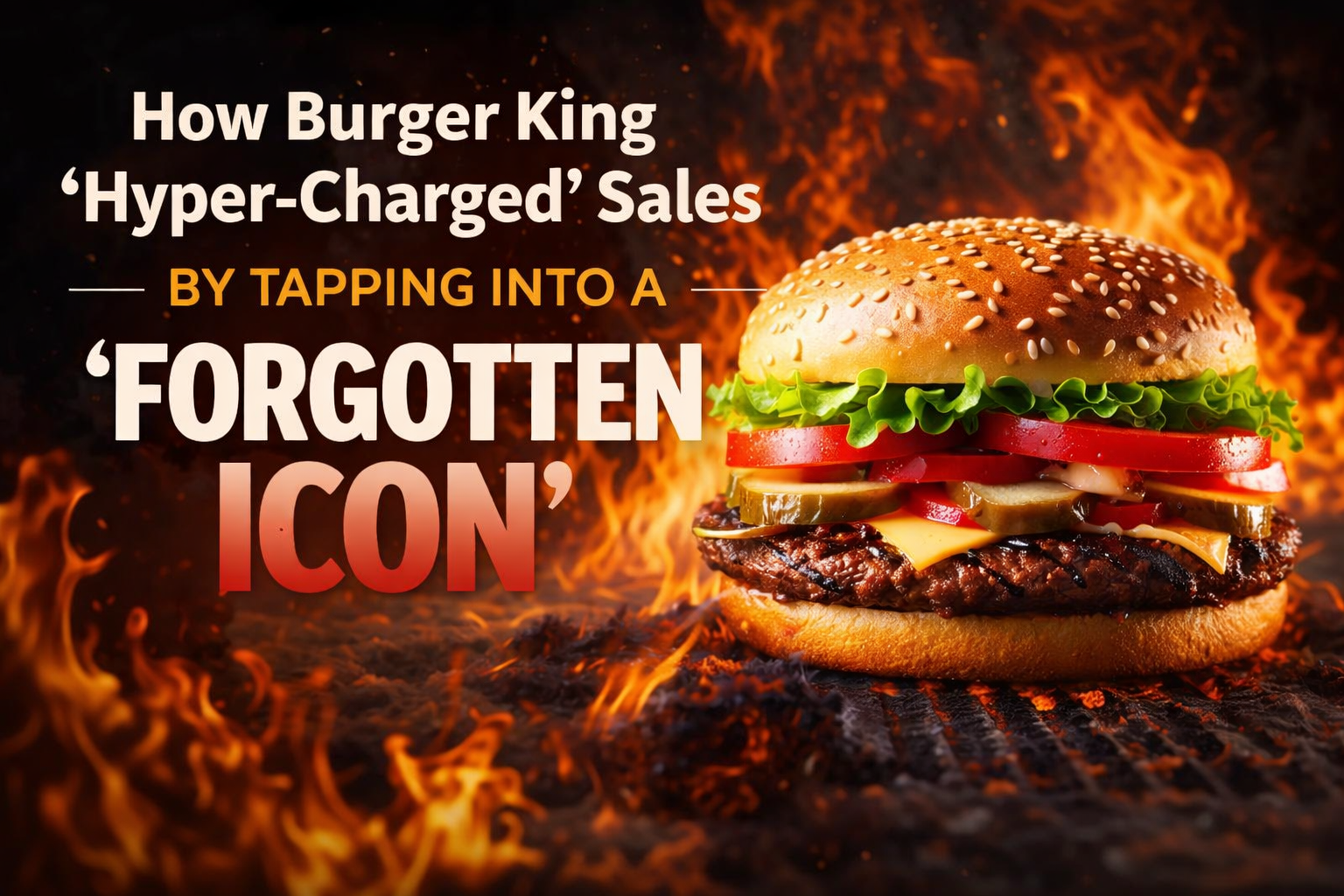
The brand did not resurrect itself by inventing a flashy futuristic menu or chasing plant-based fads. Instead, it rediscovered the foundational power of its 69-year-old flagship product: The Whopper.
However, the real marketing lesson goes far deeper than clever copywriting or nostalgic television commercials. Burger King learned a painful, expensive lesson: marketing cannot outrun operations. For a fast-food icon, a promise made on a billboard or smartphone app must match the reality handed out at the drive-thru window.
As brands explore consumer engagement and high-impact promotion—such as analyzing the 15 Best Guerrilla & Outdoor Advertising Examples of 2025–26 (And What Makes Them Work)—the foundation must always be product consistency and operational execution. In an era where modern tools like NotebookLM for Marketers: The Complete 2026 Guide are revolutionizing consumer research and campaign synthesis, Burger King’s turnaround reminds us that the ultimate deliverable is still physical and human.
(For more enterprise-level strategic analyses, explore our Advertising & Strategy breakdowns and our ongoing archive of comprehensive Case Studies.)
The Golden Age: Constructing a Category Defining Asset
To appreciate Burger King’s modern renaissance, one must understand how the brand achieved greatness in the first place.
The Birth of Flame-Broiling and Counter-Positioning
Burger King was not born in a corporate test kitchen. In 1953, two franchisees in Miami, Florida—James McLemore and David Edgerton—grew frustrated with a temperamental grilling contraption called the “Insta-Broiler” purchased from Jacksonville founders. The machine constantly broke down. Rather than abandoning the concept, they engineered their own proprietary equipment: an open-flame conveyor broiler.
That single mechanical invention established the sensory cornerstone of the brand for the next seven decades: authentic flame-broiled beef. Unlike griddled patties cooked on flat-top steel, flame broiling provided visible grill marks, eliminated excess grease, and imparted a distinct smokiness that consumers could instantly identify.

In 1957, McLemore observed a competing drive-in doing brisk business selling oversized hamburgers. His competitive instinct was straightforward: build a burger significantly larger than anything McDonald’s offered and price it at 37 cents. He christened it The Whopper. It was an immediate sensation, riding the wave of post-war American appetites where “more” was undeniably better.
┌─────────────────────────────────────────────────────────────────────────┐
│              THE CLASSIC QSR COUNTER-POSITIONING BATTLE                 │
├──────────────────────────┬──────────────────────────────────────────────┤
│ McDonald’s Model         │ Burger King Counter-Strategy                 │
├──────────────────────────┼──────────────────────────────────────────────┤
│ Factory assembly-line    │ "Have It Your Way" customization (1974)      │
│ Standardized builds      │ Flame-broiled culinary differentiation       │
│ Rigid operational speed  │ The Whopper: oversized flagship indulgence   │
└──────────────────────────┴──────────────────────────────────────────────┘
“Have It Your Way” vs. The McDonald’s Machine
By 1974, Burger King converted this operational reality into a classic marketing offensive: the “Have It Your Way” campaign.
McDonald’s operated on an industrial, highly standardized production logic: hamburgers were assembled strictly in batches according to an unbending corporate script. Burger King capitalized on this inflexibility through strategic counter-positioning. If McDonald’s was the rigid factory, Burger King was the personalized kitchen. Consumers could hold the pickles, add extra onions, or double the cheese.
During the fierce “Burger Wars” of the 1980s, independent national taste tests revealed that three out of four participants preferred the flame-grilled Whopper over the McDonald’s Big Mac. By the early 1990s, Burger King operated more than 6,000 domestic restaurants. It stood not merely as a distant competitor, but as a genuine peer to McDonald’s, backed by intense consumer loyalty and an iconic cultural presence.
The 60-Year Ownership Carousel: When Balance Sheets Replaced Burgers
Despite its market popularity, Burger King possessed a foundational vulnerability that McDonald’s never suffered: chronic instability at the top.
While McDonald’s spent six decades refining supply chain mechanics, franchisee relations, and rigorous site-level operational training under long-term leadership, Burger King was treated like a corporate hot potato. The company changed hands seven times between its founding and the modern era:
- Pillsbury Company (1967): Acquired the chain for $18 million, viewing it primarily as a diversified consumer goods asset.
- Grand Metropolitan (1989): A British drinks and retail conglomerate swallowed Pillsbury.
- Diageo (1997): Formed via the mega-merger of Grand Metropolitan and Guinness; managed Burger King alongside spirits brands like Smirnoff and Johnnie Walker, prioritizing corporate cash extraction over kitchen investment.
- TPG Capital / Private Equity Consortium (2002): Siphoned dividends while attempting to engineer short-term balance-sheet turnarounds.
- 3G Capital (2010): Acquired the business and instituted extreme austerity.
- Restaurant Brands International (RBI) (2014): Formed alongside 3G and Pershing Square, housing Burger King, Tim Hortons, and later Popeyes and Firehouse Subs.
The Devastation of Zero-Based Budgeting (ZBB)
The inflection point occurred under 3G Capital beginning in 2010. 3G was celebrated on Wall Street for ruthless financial discipline driven by Zero-Based Budgeting (ZBB)—a framework requiring every single expenditure to be justified from scratch every fiscal year.
While ZBB drove corporate margins higher in the short term, it starved the restaurant ecosystem of vital capital:
- Corporate field-support staff and regional training teams were gutted.
- Research and development (R&D) budgets for product consistency and kitchen technology shriveled.
- Corporate-owned company stores were sold off to independent franchisees to remove operational overhead from RBI’s balance sheet.
- Store modernization mandates were placed entirely on the shoulders of franchise operators without adequate financial subsidization.
By the late 2010s, the physical reality of the chain was stark. Fewer than 40% of Burger King restaurants featured an updated, modern look—compared to over 90% of McDonald’s locations across the United States. Walking into an average Burger King meant stepping into a neglected relic of the mid-2000s, complete with flickering signage, cracked booth seating, and outdated drive-thru lanes.
(For another strategic perspective on preserving legacy semiotics while maintaining operational rigor, read our case study on The Wagh Bakri Tea Group: Semiotics, Operational Transformation, and Strategic Dominance.)
The Illusion of Marketing: Viral Stunts vs. Operational Collapse
As the physical estate degraded, Burger King’s marketing leadership pivoted toward a dangerous substitute for operational excellence: viral stunt marketing.
The Stunt Era
Throughout the mid-to-late 2010s, Burger King swept the Cannes Lions International Festival of Creativity. Agencies produced undeniably clever activations:
- The Whopper Detour: A geofencing mobile app stunt offering a 1-cent Whopper if customers ordered within 600 feet of a McDonald’s location.
- The Moldy Whopper (2020): A provocative global print and video campaign showcasing a Whopper decaying across 34 days to prove the elimination of artificial preservatives.
- Google Home Hack: A 15-second television spot that intentionally triggered viewers’ Google Home speakers by saying, “OK Google, what is the Whopper burger?”
┌─────────────────────────────────────────────────────────────────────────┐
│                    THE VIRALITY VS. RETENTION PARADOX                   │
├───────────────────────────────────┬─────────────────────────────────────┤
│ Viral Advertising Stunts          │ Store-Level Reality                 │
├───────────────────────────────────┼─────────────────────────────────────┤
│ Cannes Lions Grand Prix awards    │ Deferred maintenance & broken tech  │
│ Massive social impressions & PR   │ Slower drive-thru throughput times  │
│ One-time promotional app downloads│ Inconsistent, lukewarm food quality │
│ High cultural noise               │ Deteriorating franchisee cash flow  │
└───────────────────────────────────┴─────────────────────────────────────┘
These campaigns generated billions of free media impressions and won international accolades, but they failed to fix the fundamental engine. As the data proved, driving foot traffic into an aging, understaffed restaurant serving inconsistent food does not create brand loyalty—it accelerates customer attrition.
Understanding why this failed connects directly with our analysis on Why “Emotional” and “Experiential” Are the Two Marketing Words That Matter Most in 2026: hyper-intellectualized advertising cannot compensate for an inferior real-world sensory experience.
The Double Squeeze: Fast Casual and Shrinkflation
While Burger King pursued stunts, the competitive arena shifted dramatically.
Between 2019 and 2024, cumulative inflationary pressures and corporate pricing strategies drove Burger King’s domestic menu prices up by an estimated 55%. A Whopper combo meal that once cost $7.89 climbed past $10, $11, and in many urban locations, beyond $12.
At $8, consumers readily forgave a tired interior or a slow drive-thru because the flame-grilled taste and massive burger provided unmatched value. But at $12, the consumer evaluated the purchase through a completely different lens. Suddenly, a Whopper was competing directly against the polished fast-casual sector: Shake Shack, Five Guys, Smashburger, and Chick-fil-A.
To make matters worse, consumer perception souring was aggravated by visible product degradation:
- The Nugget Controversy: Social media users on TikTok and Reddit forensically compared Burger King nuggets against McDonald’s McNuggets and Chick-fil-A, highlighting drastic size reductions paired with higher price points.
- The 2023 Misleading Advertising Lawsuit: In Connecticut, an everyday consumer photographed a flat Whopper beside the opulent menu-board photograph above the counter. The resulting federal class-action lawsuit asserted that Burger King depicted the Whopper as roughly 35% larger with over double the beef than what was served. The court ruled that Burger King had to face the lawsuit, eventually forcing a multi-million dollar settlement and publicly confirming what cynical consumers had whispered for a decade: the real-life burger did not match the promise.
The 2023 Franchisee Crisis: When the System Broke
By 2020, the reckoning arrived. Wendy’s officially surpassed Burger King as the #2 burger chain by total sales in the United States. For a corporate giant named Burger King, sinking to third place behind Dave Thomas’s square patties was a humiliating wake-up call.
Fast food relies on a delicate economic compact. The parent franchisor collects brand royalties and advertising fund cuts; independent franchise operators inject capital, pay local wages, absorb food costs, and operate the brick-and-mortar units.
When runaway inflation in beef, cooking oil, and labor collided with rising interest rates and stagnant store traffic, fragile franchise balance sheets disintegrated:
- Tom’s King: Operated 90 locations; collapsed into Chapter 11 bankruptcy in early 2023.
- Meridian Restaurants Unlimited: Operated 116 locations; filed for bankruptcy after citing crippling debt and underperforming units.
- Premier Kings: A massive 172-unit operator; entered Chapter 11 following mounting operating deficits.
Burger King was forced to permanently shutter more than 300 restaurants in 2023 alone. The chain was not merely losing a marketing fight; its operational infrastructure was imploding.
The Blueprint: “Reclaim the Flame” and Patrick Doyle’s Radical Playbook
Recognizing that clever taglines could not rescue a broken machine, RBI’s leadership initiated a comprehensive institutional turnaround.
                 ┌──────────────────────────────────────────────┐
                 │       "RECLAIM THE FLAME" FRAMEWORK          │
                 │   Initial: $400M  ──>  Expanded: $700M       │
                 └──────────────────────┬───────────────────────┘
                                        │
         ┌──────────────────────────────┼──────────────────────────────┐
         ▼                              ▼                              ▼
┌──────────────────┐          ┌───────────────────┐          ┌───────────────────┐
│ System Renovation│          │ Product Integrity │          │ Operational Trust │
│   & Modernization│          │   & Packaging     │          │   & Leadership    │
├──────────────────┤          ├───────────────────┤          ├───────────────────┤
│ • $500M+ Remodels│          │ • Amy Alarcon hire│          │ • Patrick Doyle   │
│ • Carols buyout  │          │ • Premium brioche │          │   ($30M skin-in)  │
│   ($1B deal)     │          │ • Custom box pack │          │ • Direct line to  │
│ • Tech & Kiosks  │          │ • Mayo/veg revamp │          │   US President    │
└──────────────────┘          └───────────────────┘          └───────────────────┘
Enter Patrick Doyle
In late 2022, RBI made its most critical executive appointment in decades by recruiting Patrick Doyle as Executive Chairman. Doyle was already a fast-food legend, having orchestrated Domino’s historic turnaround in the 2010s by publicly admitting that Domino’s crust tasted like cardboard and systematically reformulating the pizza from the ground up.
Signaling complete alignment with franchisees, Doyle personally invested $30 million of his own cash into RBI stock on day one.
The $700 Million Capital Injection
Announced in September 2022 as “Reclaim the Flame,” Burger King initially committed $400 million:
- $150 million deployed directly into advertising, creative updates, and app digital infrastructure.
- $250 million dedicated to restaurant technology, state-of-the-art kitchen broilers, and store remodels.
As momentum grew, RBI expanded the capital envelope to $700 million running through 2028. Unlike previous corporate mandates that demanded franchisees take on crippling bank debt to remodel, Burger King co-invested directly alongside operators.
The early economic data confirmed the hypothesis: restaurants that completed modern remodels immediately enjoyed sales uplifts exceeding 10%.
The Billion-Dollar Carols Restaurant Group Buyout
In January 2024, RBI executed an unprecedented corporate maneuver: it announced the buyout of Carols Restaurant Group for approximately $1 billion.
Carols was Burger King’s single largest franchisee, operating more than 1,000 restaurants across 23 states. Rather than letting an empire of that scale face deferred maintenance, RBI acquired the entire operation, committed an additional $500 million to remodel 600+ locations, and initiated a long-term plan to re-franchise the updated stores to well-capitalized, highly disciplined local operators.
Burger King effectively bought its own neglected real estate to repair the machine itself rather than hoping distressed franchisees would find the capital.
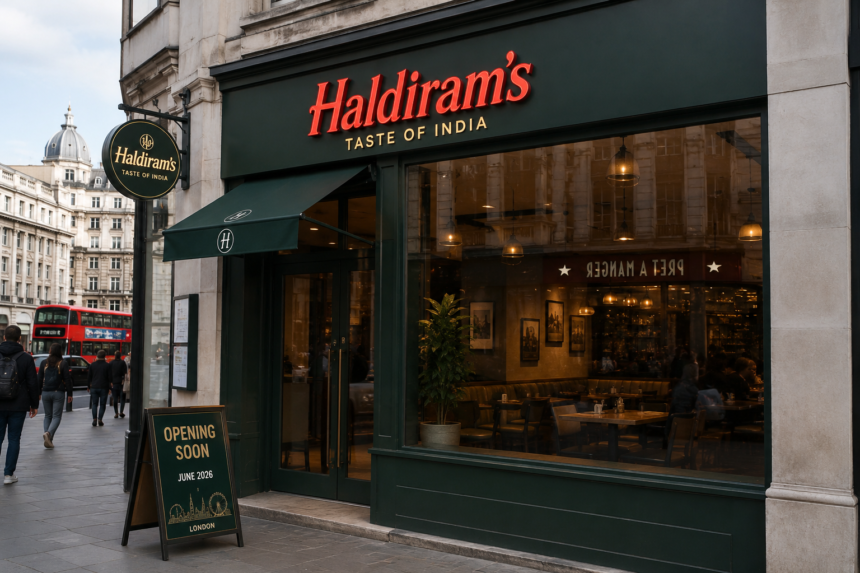
(This kind of physical expansion and multi-market overhaul closely parallels retail expansion models covered in our case study on Haldiram’s Global Expansion: The Leicester Square Case Study.)
The Culinary Pivot: Making the Whopper Taste Like an Icon Again
With balance sheets stabilizing and remodels underway, Burger King turned its laser focus toward the core asset: The Food.
The Amy Alarcon Factor
In December 2025, RBI executed an internal transfer that transformed Burger King’s culinary direction: moving Chef Amy Alarcon from Popeyes to head Burger King’s culinary innovation.
Alarcon was the visionary food scientist behind the legendary Popeyes Chicken Sandwich, which ignited the nationwide “Chicken Wars” in 2019. Her hallmark was culinary obsession. She had spent three years fine-tuning every single sensory detail of that sandwich—from buttermilk marination protocols to pickle-slice thickness and brioche oil content.
When handed the Whopper, Alarcon avoided trendy distractions. She understood that the Whopper’s fundamental identity—flame grilling, crisp vegetables, savory beef—was already sound; it was the execution that had rotted.
The Core Upgrades
In early 2026, Burger King rolled out the first comprehensive structural overhaul of the Whopper in nearly ten years:
┌─────────────────────────────────────────────────────────────────────────┐
│                    THE 2026 WHOPPER ARCHITECTURE                        │
├───────────────────────┬─────────────────────────────────────────────────┤
│ The Bun Reformulation │ Transitioned from flimsy, sugary buns to a      │
│                       │ toasted, premium brioche-style bun │
├───────────────────────┼─────────────────────────────────────────────────┤
│ The Sauce Profile     │ Re-engineered heavy commercial spread into      │
│                       │ a rich, velvety, creamier mayonnaise│
├───────────────────────┼─────────────────────────────────────────────────┤
│ Fresh Produce Mandate │ Freshly cut, crisp vegetable assembly standards │
│                       │ across all daily kitchen prep shifts  │
├───────────────────────┼─────────────────────────────────────────────────┤
│ Protective Packaging  │ Replaced foil wrap with a structural cardboard  │
│                       │ clamshell box to prevent burger collapse│
└───────────────────────┴─────────────────────────────────────────────────┘
- The Premium Brioche Bun: Replaced the legacy spongy, sugary bun with a structured, buttery, toasted brioche-style bun capable of supporting the moisture of the beef without turning into mush.
- Creamier, Richer Mayonnaise: Adjusted the acidity and fat emulsion of the signature spread to enhance mouthfeel and complement the flame-broiled char.
- The Structural Clamshell Box: For decades, Burger King wrapped the Whopper tightly in coated paper wrap. By the time a drive-thru customer arrived home, heat, steam, and tight wrapping compressed the burger into a flat, soggy shape—directly creating the discrepancy highlighted in the Connecticut lawsuit. Burger King introduced a sturdy packaging box designed to let steam vent while shielding the burger’s architectural height.
These were not modifications engineered for viral awards; they were culinary adjustments designed to make customers say, “This tastes remarkably good,” and come back the following week.
Operational Accountability: The Direct-to-Consumer Phone Line
To prove that the brand was serious about listening to its patrons, the leadership executed an unprecedented act of executive transparency.
In early 2026, the President of Burger King US and Canada publicized a direct phone line and SMS number, inviting ordinary diners across North America to text or call him directly with honest feedback.
The executive line took more than 3,000 direct calls and messages. Customers shared honest, unvarnished feedback about cold fries, indifferent counter staff, broken app promotions, and unkempt restrooms.
                     ┌──────────────────────────────┐
                     │ Direct Customer Feedback     │
                     │ (3,000+ Calls & Messages)    │
                     └──────────────┬───────────────┘
                                    │
                    ┌───────────────┴───────────────┐
                    ▼                               ▼
       ┌─────────────────────────┐    ┌─────────────────────────┐
       │ In-Restaurant Ops Lead  │    │  The Whopper Guarantee  │
       │ Shift leaders dedicated │    │ Free replacement if the │
       │ to service bottlenecks  │    │ order fails to deliver  │
       └─────────────────────────┘    └─────────────────────────┘
Rather than handing the notes to an outsourced PR firm, the corporate team instituted two structural policies:
- The In-Restaurant Leadership Role: Created a dedicated field operations role inside stores tasked exclusively with unblocking drive-thru bottlenecks and auditing food preparation.
- The Whopper Guarantee: An explicit, no-questions-asked national policy guaranteeing that if your Whopper is not hot, fresh, and structurally appetizing, the kitchen replaces it immediately.
As the US President summarized: “A lot of people are saying they’re coming back for the first time in a long time.”
The Financial Renaissance: Outperforming McDonald’s and Wendy’s
The empirical results of this systemic transformation have sent shockwaves across Wall Street.
By 2026, Burger King didn’t just stabilize; it began outpacing its primary rivals by historically unprecedented margins.
Comparable Store Sales Trajectory (2026)
In Q1 2026, Burger King US comparable store sales climbed 5.8%.
Then came the explosive second quarter of 2026:
- Wall Street consensus estimated safe same-store growth of approximately 3.5%.
- Burger King shattered expectations, reporting US comparable sales growth of 8.5%.
- This marked Burger King’s fifth consecutive quarter of positive same-store sales growth.
                Q2 2026 U.S. COMPARABLE SAME-STORE SALES
    10% ┌────────────────────────────────────────────────────────┐
        │                                                        │
     8% │                    █████████                           │
        │                    █ 8.5%  █                           │
     6% │                    █████████                           │
        │                    █████████                           │
     4% │                    █████████                           │
        │                    █████████                           │
     2% │                    █████████                           │
        │                    █████████     ░░░░░░                │
     0% │                    █████████     ░ 0.8%░               │
        └────────────────────█████████─────░░░░░░────────────────┤
                            BURGER KING   McDONALD'S   WENDY'S   │
    -2% │                                                        │
        │                                                        │
    -4% │                                                        │
        │                                                        │
    -6% │                                              ▓▓▓▓▓▓    │
        │                                              ▓ -7.0%▓  │
    -8% └──────────────────────────────────────────────▓▓▓▓▓▓────┘
During that exact same quarter:
- McDonald’s domestic comparable sales stalled at 0.8% (averaging 3.3% across the period) as cost-conscious diners pushed back against inflated combo prices.
- Wendy’s tumbled -7.0%, marking its sixth consecutive quarter of losing ground.
Reclaiming the Number Two Crown
Six years after Wendy’s knocked Burger King into third place, the King officially surged back past Wendy’s to reclaim its title as the second-largest burger chain in the United States by sales.
To support the surges in store traffic and operational demands, Burger King announced a national recruitment drive in spring 2026 to hire 60,000 restaurant team members across North America.
Strategic Marketing Takeaways for Modern CMOs and Executives
Burger King’s dramatic journey from structural decay to category-leading sales velocity provides critical strategic lessons for marketing leaders across all consumer-facing industries.
┌─────────────────────────────────────────────────────────────────────────┐
│                    THE STRATEGIC RECOVERY PLAYBOOK                      │
├──────────────────────────┬──────────────────────────────────────────────┤
│ 1. Align with Reality    │ Great advertising only accelerates failure   │
│                          │ if the physical product fails to deliver.    │
├──────────────────────────┼──────────────────────────────────────────────┤
│ 2. Invest in Operations  │ Marketing budgets must be paired with store- │
│                          │ level equipment and franchisee health.       │
├──────────────────────────┼──────────────────────────────────────────────┤
│ 3. Fix Core Flagships    │ Do not invent novelty distractions when the  │
│                          │ heritage asset merely requires perfection.   │
├──────────────────────────┼──────────────────────────────────────────────┤
│ 4. Listen Directly       │ Remove agency filters and talk directly with │
│                          │ the end consumer to discover real friction.  │
└──────────────────────────┴──────────────────────────────────────────────┘
1. Virality Without Operational Quality is Fatal
For nearly a decade, Burger King produced some of the most celebrated advertising on the planet. It won trophies while its restaurants aged, its franchisees faced bankruptcy, and its market share deteriorated. If customer experience fails to back up creative messaging, your marketing dollars are subsidizing brand disappointment.
(Compare this institutional turnaround to our brand architecture analysis in Strategic Case Study: The Institutional Transformation of Honasa Consumer Limited.)
2. Protect Your Core “Hero” Asset
When legacy brands face competitive heat, their default executive panic response is to invent a barrage of new, complex products. Burger King realized its greatest asset was already in its kitchen. The Whopper had 69 years of brand awareness and high consumer purchase intent. It did not need replacement—it needed to be prepared with dignity, delivered in protective packaging, and built with better ingredients.
3. Empathy for the Delivery Pipeline
In franchise, dealer, or wholesale models, the corporate team does not experience the daily friction of customer service. By purchasing Carols Restaurant Group for $1 billion and investing $700 million into kitchen upgrades, RBI proved that brand revival requires capital co-investment, not unfunded mandates handed down from corporate offices.
The King Returns to His Throne
Burger King’s turnaround demonstrates that the most brilliant marketing strategy in fast-food history was not a hashtag, a meme, or a CGI television commercial.
It was a brioche bun. A protective packaging box. Clean, remodeled dining rooms. Modern kitchen broilers that run on time[cite: 2]. And the executive humility to pick up the phone, listen to unhappy customers, and fix the food[cite: 1, 2].
By spending four long years repairing the physical and operational machine connecting the flame-broiler to the drive-thru window, Burger King transformed the Whopper from a “forgotten icon” back into a category-defining titan[cite: 1, 2]. The King has reclaimed the flame—not by chasing the future, but by finally fulfilling the authentic promise of its past[cite: 1, 2].
Sources & Reference Materials
- Reclaiming the Flame: The Rise and Fall of Burger King — Operational documentary analyzing the 1953 Miami flame broiler, historical Pillsbury/Grand Met/Diageo ownership, 3G Capital’s Zero-Based Budgeting, the 2023 franchisee bankruptcies (Tom’s King, Meridian, Premier Kings), Amy Alarcon’s culinary redesign, and Burger King’s 8.5% Q2 2026 comparable store sales surge.
- Burger King’s Sudden Revival: Why the King is Winning Again — Comprehensive business case study covering the multi-year $700M “Reclaim the Flame” capital injection, the $1B acquisition of Carols Restaurant Group, Patrick Doyle’s leadership, the 2026 Whopper packaging redesign, customer direct line feedback loop, and reclaiming the #2 U.S. QSR spot over Wendy’s and McDonald’s.
- The 67-Year Fall of Fast Food’s Most Iconic Burger — Investigative case study exploring the 2023 Connecticut false advertising class-action lawsuit, the 55% cumulative price increases between 2019 and 2024, chicken nugget downsizing controversies, fast-casual competitive threats, and the operational decay of the franchise network.