




AI creative platforms are no longer competing on novelty. They’re competing on reliability.
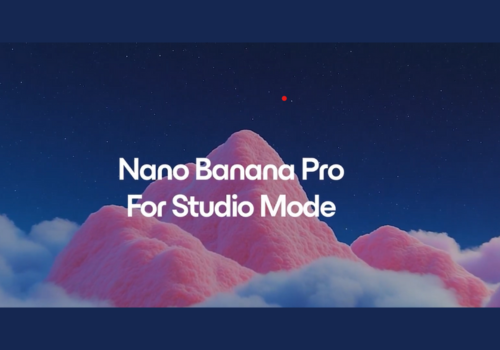
With the expansion of Studio Mode and Nano Banana Pro, Gamma is signaling a clear shift: cinematic output, sharper typography, and high-resolution rendering are becoming baseline expectations rather than premium upgrades.
On the surface, this looks like a feature rollout. But strategically, it reflects a deeper transition in AI creative tooling — from experimentation to production readiness.
Studio Mode: From Random Outputs to Visual Consistency
One of the long-standing challenges in generative image tools has been inconsistency.
Users could generate stunning single visuals, but when attempting:
- Multi-image campaigns
- Slide decks
- Brand-aligned assets
- Sequential storytelling
results often varied unpredictably in lighting, tone, and composition.
Studio Mode directly addresses this friction by improving:
- Lighting stability
- Color balance control
- Cohesion across scenes
- Sharper text placement
For marketers and designers, this matters more than raw creativity. Production workflows demand repeatability. A campaign requires assets that feel connected — not randomly generated.
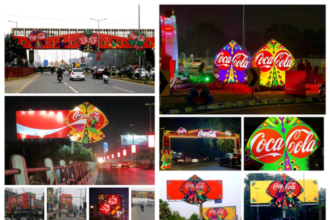

By broadening access to Studio Mode, Gamma lowers the barrier to producing visuals that look intentionally designed rather than algorithmically assembled.
Nano Banana Pro: Fixing AI’s Typography Problem
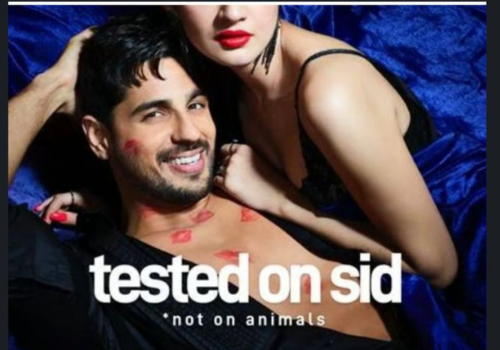
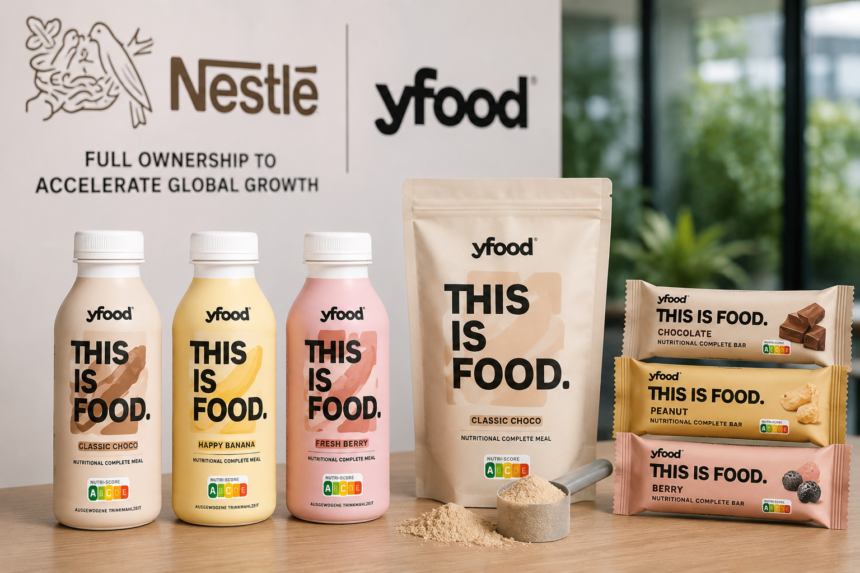
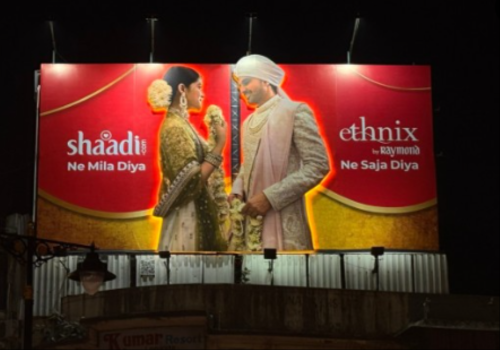
If there’s one weakness that consistently undermined AI visuals, it’s text rendering.
Common issues included:
- Broken or misspelled lettering
- Warped typography
- Inconsistent kerning and alignment
- Poster-style designs with unreadable headlines
Nano Banana Pro appears positioned as a solution to that gap. By prioritizing:
- Cleaner text rendering
- Improved layout structure
- Stronger theme consistency
Gamma is targeting one of the most commercially critical aspects of AI design.
Readable typography isn’t aesthetic polish — it’s functional necessity. As AI-generated assets move into:
- Social ads
- Event posters
- Website mockups
- UI concept visuals
clarity becomes non-negotiable.
Text accuracy may quietly become the defining competitive edge in AI creative tools.
4K Output and the Rise of “Production-Ready” AI
With Nano Banana Pro HD now offering 4K image generation for Ultra subscribers, resolution enters the competitive spotlight.
Higher resolution directly impacts:
- Print production quality
- Large-format displays
- Digital billboards
- Video overlays
- Commercial mockups
In early AI tools, resolution constraints limited professional adoption. Designers still needed traditional software for final output.
Now, with broadcast-ready resolution becoming standard, AI tools are encroaching further into agency and studio workflows.
The shift isn’t about generating pretty images.
It’s about generating usable assets.
The Broader Industry Signal
Gamma’s update reflects a wider trend across AI creative platforms:
- Photorealism is no longer impressive — it’s expected.
- Text accuracy is becoming a baseline requirement.
- Resolution is a commercial differentiator.
- Creative tools are integrating into workflow, not sitting outside it.
In earlier AI cycles, the wow factor came from unexpected creativity.
Now, differentiation depends on:
- Control
- Predictability
- Integration into real production environments
That marks the beginning of maturity in AI creative tooling.
Why This Matters for Creators
For individual creators, democratized access to cinematic-quality visuals reduces dependence on complex, high-learning-curve design tools.
The benefits include:
- Faster iteration cycles
- Reduced production costs
- More experimentation without overhead
- Greater independence in asset creation
For agencies and marketing teams, the calculus is different.
The question is no longer:
“Can AI generate something attractive?”
It’s:
“Can AI generate something consistent, editable, scalable, and client-ready?”
Studio Mode and Nano Banana Pro suggest the answer is moving closer to yes.
From Experimentation to Infrastructure
The bigger story isn’t Gamma alone. It’s what this signals about the category.
AI image tools are evolving from:
Experimental playgrounds
to
Operational creative infrastructure
As resolution improves and typography stabilizes, these tools stop being novelty generators and start becoming workflow components.
That shift changes adoption patterns. It moves AI from side experiments to standard operating procedure.
Final Takeaway
Gamma’s expansion of Studio Mode and Nano Banana Pro underscores how rapidly AI image generation standards are rising.
Cinematic lighting is expected.
Readable text is essential.
4K resolution is becoming default.
The next competitive frontier won’t be realism alone.
It will be control, clarity, and seamless integration into real creative workflows.
AI image generation is no longer chasing spectacle.
It’s chasing reliability — and that changes everything.