





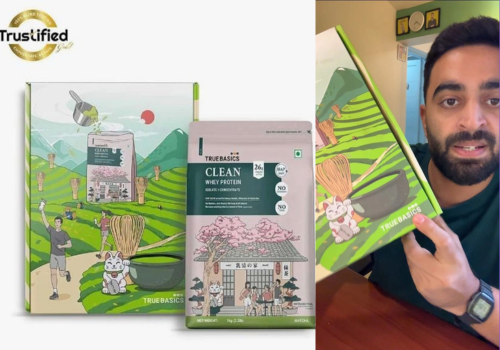

A Culture-Driven Campaign That Worked Without Looking Like Marketing
In an era where most brand collaborations scream “paid partnership,” TrueBasics has delivered one of the most refreshingly subtle campaigns of the year — converting stand-up comic Rahul Dua, a proud matcha hater, into a matcha lover on camera.
And the brilliance?
It never felt like marketing.
A Campaign Rooted in Insight, Not Trend-Chasing
Instead of jumping blindly onto the growing matcha wave, TrueBasics studied the culture around it:
Matcha → Tier-1, Pinterest-core, aesthetic, almost elite
Rahul Dua → Chaos, no-filter humour, “I hate this green stuff” energy
That contrast became the engine of the campaign.
Real Reactions, Real Storytelling
TrueBasics Matcha Protein didn’t just get a comedian to endorse a product.
They built a narrative around converting a skeptic — one of the hardest and most relatable emotion points for an audience that has always been divided on matcha.
Watching Dua go from “this is trash” to “wait… this actually tastes good” created:
✔ Scroll-stopping content
✔ Relatable humour
✔ Share-worthy moments
✔ Authentic persuasion



This is the kind of content that spreads because people want to react to it, not because the brand pushes it.
Why This Campaign Stands Out
Brands usually understand consumers.
But TrueBasics understood culture.
They tapped into:
• The matcha vs. anti-matcha debate
• The aesthetic pressure of “healthy” trends
• Rahul Dua’s comic persona
• The joy of unexpected transformation
This emotional cocktail made the campaign feel more like entertainment than advertising — a sweet spot most brands fail to hit.
A New Case Study in Cultural Marketing
TrueBasics didn’t try to make matcha look cooler.
They made it relatable.
They didn’t showcase benefits.
They showcased belief.
And in doing so, they created a campaign that marketers won’t just watch —
they’ll study.