





By Mohammad Owais | Los Angeles | January 2026
Hollywood has seen countless movie campaigns go viral. But very few have managed to feel designed for culture rather than for clicks.
A24’s marketing for Marty Supreme, led by Timothée Chalamet, is quietly being recognised as one of the most intelligent and cohesive entertainment campaigns of the decade — not because of one viral moment, but because of how deliberately everything connected.
On paper, Marty Supreme is a film about ping pong.
In reality, it has been marketed like a cultural event.
Turning a Small Story Into a Big World
The campaign’s guiding line — “Dream Big” — did more than describe the film. It gave the marketing team permission to think bigger than the subject matter itself.
Instead of explaining the story, the campaign built curiosity.
Instead of pushing trailers, it pushed presence.
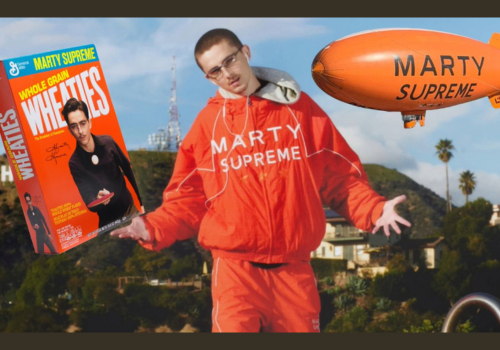
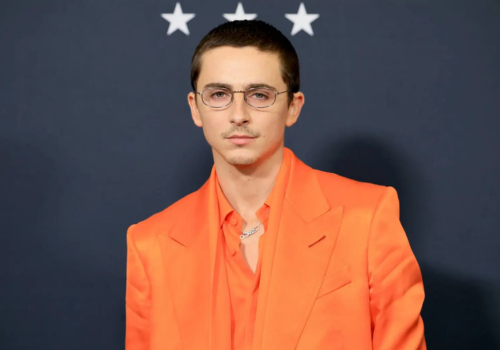
Timothée Chalamet didn’t act like a celebrity promoting a movie. He became a character inside the campaign. His fashion choices, surreal appearances, humour, and unpredictability weren’t controlled — they were integrated.

A fake Zoom marketing meeting skit, in which Chalamet jokingly pitched absurd promotional ideas, became the foundation of the entire strategy. What looked like satire slowly became reality.
An orange blimp, first mentioned as a joke, began flying over Los Angeles.
Google search results triggered animated blimp visuals.
A custom orange jacket turned into viral fashion.
A ping pong mask livestream confused and fascinated fans.
The audience wasn’t told what to think — they were invited to speculate.
Marketing That Trusts the Audience
What made the campaign powerful was restraint.
There was no over-explanation.
No heavy messaging.
No forced storytelling.
Instead, the campaign trusted culture to do the work.
In a digital era obsessed with instant clarity, Marty Supreme chose mystery.
It understood that modern attention works differently: people don’t want to be sold stories — they want to discover them.
Physical Meets Digital, SeamlesslyOne of the campaign’s smartest moves was turning digital jokes into physical reality.
The blimp didn’t just exist online — it floated across real skies.
Fans weren’t just watching marketing — they were witnessing it.
Now, speculation continues around Chalamet’s next teased idea: branded ping pong balls potentially raining over Tyler, The Creator’s Camp Flog Gnaw festival. Whether it happens or not, the anticipation itself has become part of the campaign.
Why Marketers Are Paying Attention
For marketers, Marty Supreme offers several clear lessons:
- Cohesion beats virality – Every element served the same world.
- Mystery builds momentum – Not everything needs explanation.
- Culture distributes better than ads – Fans did the sharing.
- Physical presence still matters – Digital becomes stronger when it becomes real.
- Brands can build worlds, not just messages.
This campaign wasn’t about making ping pong exciting.
It was about showing confidence in storytelling, coherence in design, and patience in attention-building.
A24’s Quiet Revolution
A24 has long positioned itself as a studio that understands modern audiences. With Marty Supreme, it may have set a new benchmark for how films are introduced into culture — not as products, but as experiences.
As the film approaches its Christmas Day release, one thing is already clear:
The marketing has done its job.
Not by shouting.
But by building a world people wanted to step into.
The Bigger Message
In a decade obsessed with chasing viral moments, Marty Supreme delivered something rarer:
A campaign with identity.
A campaign with patience.
A campaign with trust.
And perhaps most importantly — a campaign that proved the best marketing doesn’t chase attention.
It earns it.