





One of the most talked-about ads this year didn’t win attention by being louder or flashier — it did it by asking a simple question: which version works better?
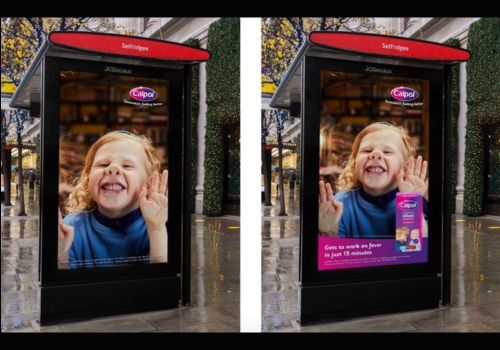
Johnson & Johnson launched two versions of the same out-of-home ad, and instead of settling the debate internally, the results became a masterclass in how small creative choices shape emotional impact.
According to testing by System1, in partnership with JCDecaux, both executions delivered standout performance — but in slightly different ways.
Here’s what the data showed:
- Instant brand recognition: Both ads achieved 90% brand recognition in just two seconds, a critical benchmark for OOH campaigns designed for scale.
- Strong emotional pull: Each version ranked in the top 5% of emotional response among UK medicine posters — a key factor in driving real behaviour change.
- One clear edge: The version placed on the right generated a stronger emotional response overall. The reason wasn’t visual flair, but the clarity of the payoff — showing that a well-framed rational message can actually increase emotional impact.
- Memory building that matters: That same version also reinforced powerful category cues like fast acting, for fever, and efficient — the kind of associations that stick at the moment of need.
Nearly a year later, the campaign still stands out not just for its creative quality, but for what it proves: emotion and rationality don’t compete — they amplify each other when done right.
It’s a reminder that great advertising doesn’t always come from reinventing the format. Sometimes, it comes from refining the message — and letting the audience decide.
So… left or right?