



The best brand activations don’t ask people to look.
They invite them to play.
Back in 2014, Nescafé proved this beautifully with a campaign in Croatia called “1000 Red Mugs.” And more than a decade later, it still feels ahead of its time.
The idea was disarmingly simple
Nescafé placed 1,000 of its iconic red mugs across Zagreb.
Not in stores.
Not in billboards.
But in everyday places:
On park benches.
At bus stops.
Near walking paths.
Just sitting there — quietly waiting to be discovered.
Each mug was locked. And each one carried a small message inviting people to unlock it and make it theirs.
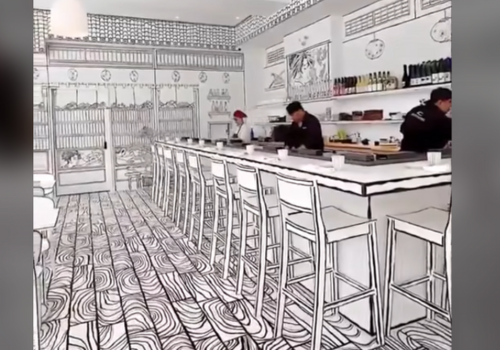


To open a mug, people had to check in on Facebook to receive a code. Once unlocked, the mug became theirs to keep. And if they brought it to a Nescafé activation stand, they were rewarded with free coffee.
No loud branding.
No aggressive promotion.
Just curiosity, discovery, and reward.
Why it worked so well
People didn’t feel like they were watching a campaign.
They felt like they had found something.
The mugs weren’t just merchandise — they became trophies. Proof that you were part of a shared moment.
And because there were only 1,000 of them, every mug felt special.
The psychology behind the success
Nescafé unknowingly followed three powerful engagement principles:
- The object was worth finding – a real, high-quality mug people wanted to own.
- Scarcity created urgency – only 1,000 existed.
- Mystery fueled curiosity – nothing was over-explained.
People weren’t told what would happen. They were invited to discover it.
And discovery is far more motivating than instruction.
What modern events can learn from it
Imagine attending a conference and seeing a small card that says:
“There are 100 special items hidden in this venue. If you find one, follow the instructions.”
You’d spend the entire event scanning your surroundings.
Now imagine being told:
“There are some free t-shirts hidden around. Go find them.”
It feels transactional. Not magical.
The difference is mystery.
Why this still matters today
In an age of endless ads and notifications, participation beats promotion.
People don’t remember what they scroll past.
They remember what they discover.
Nescafé didn’t just give away mugs.
They created a story people got to be part of.
And that’s why, even years later, “1000 Red Mugs” is still remembered as one of the smartest experiential marketing campaigns ever created.