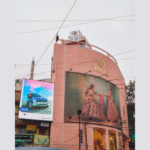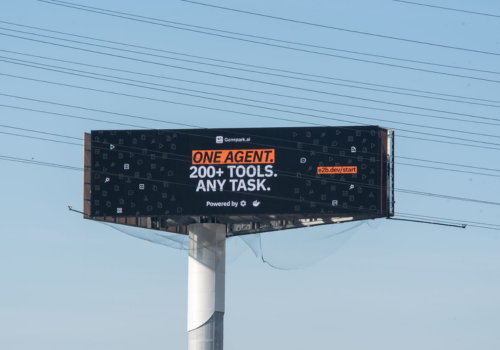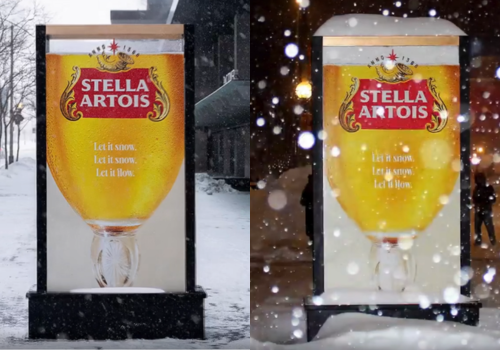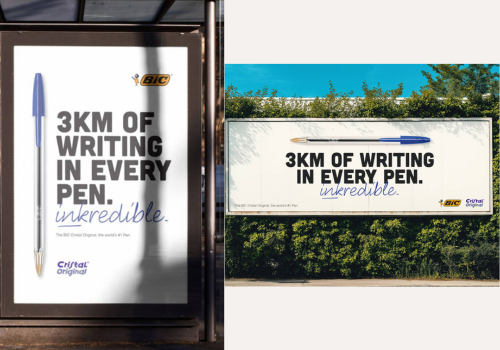





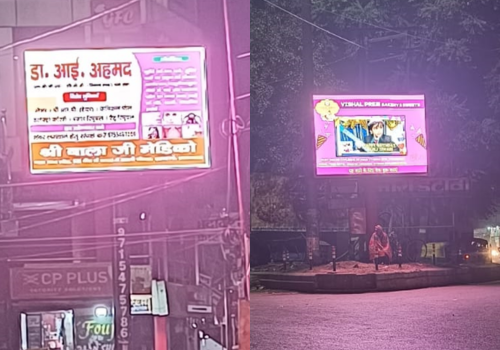

Digital out-of-home (DOOH) advertising, once heavily concentrated in India’s largest metros, is steadily expanding into smaller markets. The recent installation of digital billboards in Etawah highlights how outdoor advertising infrastructure is moving beyond Tier-1 hubs.
What was once limited to cities like Mumbai, Delhi, and Bengaluru is now increasingly visible across Tier-2 and Tier-3 regions.
This shift reflects more than just new hardware installations. It signals a deeper transformation in how brands think about regional India.
What’s Driving DOOH Growth in Smaller Cities?
The expansion of digital billboards into non-metro India is not accidental. It’s being enabled by several structural shifts.
Falling Hardware and Installation Costs
LED manufacturing and display technology have become significantly more affordable over the past decade. Lower capital expenditure makes it viable for regional media operators to invest in large-format screens without metro-level budgets.
As costs decline, entry barriers fall.
Rise of Local Media Entrepreneurs
Smaller-city media owners are no longer dependent on traditional flex hoardings or painted walls. Regional operators are modernizing their inventory, recognizing that digital screens attract premium advertisers.
This decentralization reduces reliance on national media conglomerates and strengthens local ownership ecosystems.
More Read

Rising Aspirational Consumption in Bharat
Consumer spending power is rising in non-metro India. Tier-2 and Tier-3 cities are seeing growth in:
- Automobile purchases
- Smartphones and electronics
- Real estate developments
- Premium FMCG consumption
As aspiration grows, brands need formats that signal modernity and status. Digital screens inherently convey a more premium image than static hoardings.
Integrated National Campaigns
Digital infrastructure allows synchronized creative rollouts across geographies. A brand launching a national campaign can now maintain consistency across metros and smaller towns.
This eliminates the fragmentation that traditionally defined regional outdoor media.
Why This Changes Campaign Strategy for Marketers
The spread of DOOH into Tier-3 cities reshapes how media planners approach regional markets.
Premium Visual Impact in Bharat Markets
In towns where static banners have historically dominated, digital billboards stand out dramatically. The brightness, motion, and clarity elevate brand perception.
For consumers, it signals scale.
For brands, it signals presence.
Faster Creative Rotation and Flexibility
Unlike traditional OOH, digital boards allow:
- Real-time creative updates
- Festive messaging swaps
- Countdown promotions
- Retail or price adjustments
This flexibility makes regional campaigns more agile and responsive to local events.
Better Online–Offline Alignment
With digital infrastructure expanding beyond metros, brands can better align:
- Regional e-commerce pushes
- Hyperlocal store openings
- Geo-targeted digital campaigns
Digital screens allow time-based messaging and content scheduling, improving coordination with online promotions. Over time, this improves measurement and attribution compared to static outdoor.
A Structural Shift in India’s Media Geography
The presence of digital billboards in Etawah is not an isolated development. It reflects a broader media decentralization trend:
- Infrastructure is following consumer growth
- Media formats are no longer metro-exclusive
- Smaller cities are becoming first-class advertising markets
For years, incremental growth came from deeper metro penetration. Now, the next phase lies in geographic expansion.
Brands that delay adapting to this shift risk missing early-mover advantage in emerging urban clusters.
The Competitive Implication
As DOOH inventory expands across Tier-3 cities:
- Early adopters gain disproportionate visibility
- Competition for premium spots will increase
- Media rates may remain attractive before full saturation
This creates a window of opportunity for brands willing to experiment outside traditional metro planning frameworks.Final Takeaway
The expansion of digital billboards into Tier-3 cities marks a quiet but meaningful shift in India’s advertising landscape. As technology becomes affordable and regional demand strengthens, DOOH is transitioning from a metro-focused format to a national strategic tool.
For marketers targeting India’s next wave of consumers, smaller cities are no longer peripheral. They are becoming central to long-term growth planning.
In the coming years, the brands that treat Bharat as a primary market — not a secondary extension — will be best positioned to lead.