

For months, loyal Diet Coke consumers across India noticed something unusual happening. Supermarket shelves that once reliably stocked the iconic silver cans suddenly stood empty. Restaurants quietly removed the drink from menus. Delivery apps showed “out of stock” notices in city after city.
- Why Diet Coke Suddenly Disappeared
- How Global Conflict Reached Indian Store Shelves
- Why the Price Jumped to ₹100
- Consumer Behavior Took an Unexpected Turn
- The Rise of India’s Low-Sugar Beverage Market
- Coke Zero Gains Momentum During the Crisis
- Supply Chain Visibility and Modern Brand Strategy
- A Reminder of How Fragile Global Commerce Can Be
- FAQs
At first, many assumed it was a temporary distribution issue. But the shortage quickly evolved into something much larger—a nationwide supply disruption tied to global packaging shortages, rising logistics costs, and geopolitical instability affecting international trade routes.
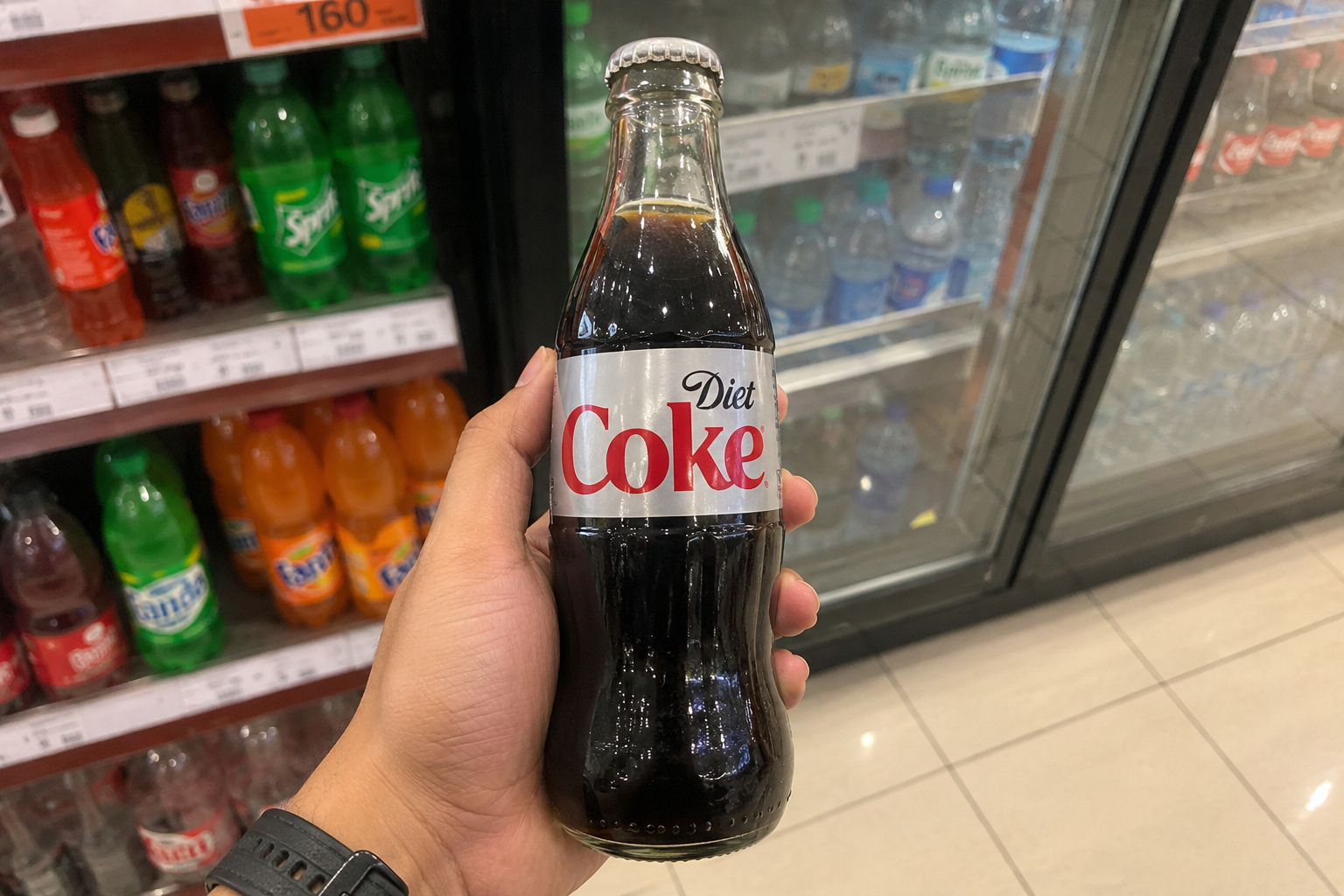
Now, Diet Coke has finally returned to stores across India, but not in the familiar aluminium cans consumers were used to. Instead, Coca-Cola has reintroduced the drink in premium glass bottles priced at nearly ₹100 for 200 ml in some markets—more than three times the earlier can price.
The shift reflects how deeply global supply chain disruptions are now influencing even everyday consumer products.
Why Diet Coke Suddenly Disappeared
The shortage first became visible in April 2026 across major urban centers including Mumbai, Bengaluru, Delhi NCR, and Pune. Retailers reported delayed deliveries while restaurants struggled to replenish inventory.
Unlike many other carbonated beverages sold in India, Diet Coke’s distribution model has historically depended heavily on aluminium cans rather than PET bottles or glass packaging. That dependence made the brand particularly vulnerable when aluminium supply chains began tightening globally.
The issue escalated as maritime tensions around the Strait of Hormuz disrupted shipping movement across the Gulf region—a critical contributor to global aluminium production and exports.
How Global Conflict Reached Indian Store Shelves
What makes this story especially fascinating is how interconnected modern consumer supply chains have become. A geopolitical conflict thousands of kilometers away can now directly impact what appears in a refrigerator at a local supermarket in India.


Industry reports indicate that disruptions linked to tensions involving Iran significantly affected maritime shipping routes through the Gulf, delaying aluminium shipments and increasing transportation costs.
At the same time:
- rising energy prices
- natural gas shortages
- manufacturing slowdowns
placed additional pressure on packaging production worldwide.
The result was a ripple effect where even large multinational companies like Coca-Cola faced operational constraints around packaging availability.
Why the Price Jumped to ₹100
The return of Diet Coke in glass bottles has restored supply visibility in several Indian markets, but at a much higher price point. In some cities, a 200 ml bottle is retailing for close to ₹100, compared to roughly ₹30 for the earlier aluminium can format.
This sharp increase reflects several overlapping factors:
- higher packaging costs
- increased shipping expenses
- lower production volumes
- import disruptions
- premium glass bottling logistics
Glass bottles themselves are also becoming more expensive due to rising energy costs tied to furnace production and transportation.
The pricing shock highlights how inflationary pressures in global supply systems increasingly affect consumer-facing retail pricing.
Consumer Behavior Took an Unexpected Turn
Interestingly, the shortage didn’t reduce Diet Coke’s cultural visibility—in many ways, it intensified it. Across Indian cities, consumers began posting memes, stockpiling remaining cans, and even organizing “Diet Coke parties” centered around the beverage.
Some restaurants introduced:
- Diet Coke-themed cocktails
- limited edition menus
- branded events
- social media activations
The phenomenon demonstrated something larger:
Diet Coke has evolved beyond being just a soft drink for many urban consumers. It has become a lifestyle symbol associated with modern wellness culture, calorie-conscious consumption, and internet-driven identity trends.
The Rise of India’s Low-Sugar Beverage Market
The disruption also highlights the growing importance of India’s reduced-sugar beverage segment. According to industry estimates from Grand View Research, India’s low-sugar food and beverage market could exceed USD 4.7 billion by 2030.
This growth is being driven by:
- rising health awareness
- urban lifestyle changes
- fitness culture
- younger consumer preferences
- sugar-conscious consumption habits
For Coca-Cola, Diet Coke and Coke Zero represent important strategic products in this evolving landscape.
Coke Zero Gains Momentum During the Crisis
As Diet Coke availability weakened, Coca-Cola intensified promotion of Coke Zero, which remained more accessible because it is distributed widely through PET bottles rather than relying heavily on aluminium cans.
This shift may have longer-term implications for how Coca-Cola balances its low-sugar portfolio in India moving forward. Supply resilience is increasingly becoming just as important as brand positioning.
Supply Chain Visibility and Modern Brand Strategy
Modern FMCG companies are increasingly relying on advanced digital infrastructure to manage unpredictable global supply environments. From logistics monitoring to customer communication, brands now depend heavily on integrated CRM and automation systems to maintain operational efficiency and consumer trust.
At the same time, brands are using AI-powered marketing tools to manage real-time communication, demand forecasting, and social engagement during supply disruptions.
A Reminder of How Fragile Global Commerce Can Be
The Diet Coke shortage serves as a reminder that modern global commerce is incredibly interconnected—and increasingly fragile. Consumers often experience products as simple retail purchases, but behind every beverage can lies a complex network involving:
- shipping routes
- commodity markets
- energy costs
- manufacturing ecosystems
- geopolitical stability
When even one part of that chain breaks, the effects can travel rapidly across industries and borders.
FAQs
Why did Diet Coke disappear from Indian stores?
Aluminium can shortages and shipping disruptions affected Coca-Cola’s supply chain.
Why is Diet Coke now sold in glass bottles?
Glass bottles became an alternative packaging solution during the aluminium shortage.
Why is the new bottle so expensive?
Higher packaging costs, shipping delays, and supply constraints pushed prices upward.
Is Coke Zero still available?
Yes, Coke Zero remained more widely available due to PET bottle distribution.
Conclusion
Diet Coke’s disappearance—and dramatic return in ₹100 glass bottles—is more than a beverage story. It reflects the growing complexity of global supply systems, the vulnerability of packaging-dependent industries, and the evolving behavior of modern consumers.
For Coca-Cola, the challenge is not simply restoring stock levels. It is maintaining consumer loyalty in an environment where pricing, logistics, and geopolitical disruptions are becoming increasingly unpredictable.
And for consumers, the episode offers a rare glimpse into how deeply connected everyday products are to the wider forces shaping the global economy.