



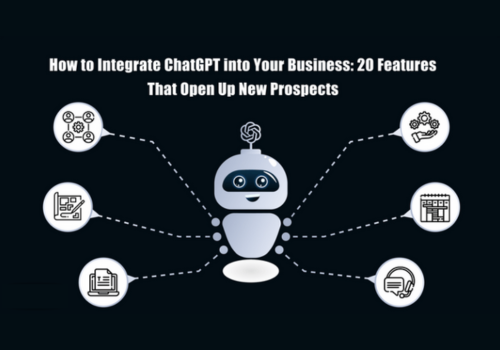

On December 4, OpenAI pushed ChatGPT beyond conversation and into commerce.
Businesses can now integrate structured product catalogs directly into ChatGPT, enabling:
- Live indexing
- Real-time pricing updates
- Availability sync
- Ranking within AI responses
This isn’t a minor product enhancement.
It’s a distribution shift.
ChatGPT is no longer just answering questions.
It’s becoming a product discovery layer.
From Search Engine to Conversational Marketplace
For years, ecommerce visibility depended on:
- Google Search
- Google Shopping
- Amazon marketplace rankings
- Paid ads
- Traditional SEO
Now conversational AI is entering that funnel.
Instead of typing:


“Affordable gaming laptops under ₹60,000”
into a search engine and scrolling through links…
Users can ask ChatGPT — and receive structured product listings pulled directly from merchant feeds.
The flow changes from:
Keyword → Links → Website → Checkout
to:
Conversation → Curated Recommendation → Product Display
That reduces friction.
And friction is where most ecommerce drop-offs happen.
What Businesses Can Now Do
With this rollout, merchants can:
- Submit structured product feeds
- Sync stock and price via APIs
- Appear inside AI-generated recommendations
- Get indexed in conversational queries
- Compete for ranking inside AI outputs
Early documentation suggests ranking signals may include:
- Data completeness
- Product metadata quality
- User interaction signals
- Feedback loops
- Inventory reliability
In other words:
AI-native SEO is emerging.
Optimizing for conversational retrieval may soon become as important as optimizing for Google.
Why This Is Bigger Than It Looks
This move places ChatGPT closer to:
- Amazon’s marketplace
- Google Shopping
- AI-native discovery tools
But the experience is fundamentally different.
Traditional platforms show options.
Conversational AI filters options before you ever see them.
That changes competitive dynamics.
Instead of:
“Who appears on page one?”
The question becomes:
“Who gets selected inside the answer?”
That’s a higher bar.
But it also means higher intent.
The Rise of AI-Native Commerce
This rollout signals the beginning of AI-native commerce:
- Context-aware recommendations
- Personalized product discovery
- Real-time availability filtering
- No visible ad clutter
- Intent-based ranking
For small businesses, this could mean:
- Exposure without ad auctions
- Discovery without heavy SEO investment
- Faster connection to high-intent buyers
For large ecommerce platforms, it introduces a new competitor in the discovery layer.
Not another marketplace.
A conversational gatekeeper.
Strategic Implications for 2026
If adoption scales, expect:
- “ChatGPT optimization” as a formal marketing practice
- Product feed engineering as a growth function
- Conversational ranking factors becoming measurable
- Descriptions written for AI parsing, not just human persuasion
- Structured metadata becoming critical
This is not just traffic redistribution.
It’s a shift in how purchase intent is captured.
When recommendations arrive as answers — not as lists — persuasion happens earlier in the funnel.
The decision-making layer compresses.
The Trust Question
The real test is behavioral.
Will users trust AI-curated product recommendations more than traditional search listings?
If they do, ecommerce discovery in 2026 may look radically different:
- Fewer tabs
- Fewer comparison pages
- More single-response purchase journeys
Trust becomes the primary conversion lever.
And AI systems become intermediaries between brands and buyers.
Final Takeaway
OpenAI’s product integration inside ChatGPT marks the beginning of a new commerce layer.
ChatGPT is no longer just an interface for answers.
It is positioning itself as a gateway to purchase decisions.
If conversational ranking becomes mainstream, visibility won’t depend on who bids the most — but on who structures data best and earns selection inside AI responses.
That’s not incremental evolution.
That’s a structural shift in digital commerce.