





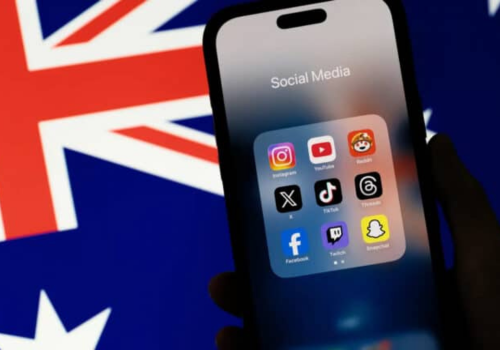

Australia’s decision to restrict social media access for users under 16 has delivered eye-catching early numbers. Millions of accounts across major platforms have been removed or limited, and for the first time in years, global tech companies have been forced to treat age verification as more than a checkbox.
On paper, it looks like decisive progress.
But beneath those metrics, a more complex reality is taking shape—one that matters far more to everyday users, parents, educators, and even employers. The ban isn’t just changing access. It’s reshaping behaviour, expectations, and how young people learn to exist online.
And that’s where the real test begins.
What the Early Impact Reveals About Platform Dependence
The initial enforcement phase proved something important: regulation works when it’s clear, enforceable, and unavoidable. Platforms responded quickly because they had to.
At the same time, the sudden removal of access exposed how deeply social media is embedded in daily life for young users. When accounts disappear, usage doesn’t simply stop—it moves.
Early patterns already show teens shifting toward:
- Smaller or lesser-known platforms with lighter checks
- Web-based access instead of official apps
- Gaming chats, Discord-style communities, and livestream comments
- Informal workarounds that bypass traditional age gates
The behaviour remains even when the platform changes. For users, this highlights a key truth: digital habits don’t vanish just because an app does.



Why Regulation Alone Can’t Rewire Digital Behaviour
One of the clearest lessons emerging from the ban is that blocking access changes location, not motivation.
The same forces that drive young people toward social media—comparison, belonging, validation, curiosity—exist across the internet. When one channel closes, another often opens. This is why digital wellbeing experts have long argued that enforcement without education is incomplete.
Rules can:
- Delay exposure
- Reduce volume
- Create breathing room
But they don’t automatically build judgment, resilience, or self-awareness.
Without guidance, restrictions risk becoming temporary obstacles rather than lasting safeguards.
The Unexpected Opportunity the Ban Creates
Where the policy truly adds value is time.
For many families, schools, and teens themselves, this is a rare pause—a moment where social media is no longer the default background noise of adolescence. That pause creates space to focus on skills that actually last.
This includes:
- Digital literacy and critical thinking
- Understanding how algorithms shape emotion and attention
- Recognising performative behaviour and false credibility online
- Building healthier habits before re-entry
Instead of constantly reacting to harm after it occurs, families now have a window to prepare young users for what comes next.
Why Parents See Value Even Without Perfection
Most parents don’t see the ban as a silver bullet—and that’s precisely why many support it.
What the policy offers is shared authority. Instead of parents negotiating rules alone, the boundary is external and consistent. That shifts conversations at home from conflict to guidance.
Rather than:
“Why can’t I have this app?”
The discussion becomes:
“Here’s how we’ll help you be ready when you can.”
That change reduces emotional fatigue for families while reinforcing that online access is something to grow into—not something automatically owed.
What This Signals for Platforms and Online Identity
Australia’s move is already forcing platforms worldwide to rethink how they verify age, manage youth experiences, and communicate responsibility. But it also exposes a broader issue users are beginning to notice: credibility online is fragile and increasingly scrutinised.
This isn’t limited to teens. As highlighted by recent attention on LinkedIn’s growing credibility issues—where ghost-town profiles and inflated identities are leading to instant rejection—platforms are under pressure to prove that users are real, trustworthy, and accountable.
The same questions apply everywhere:
- Who is behind the account?
- Is this identity authentic?
- Can the platform vouch for it?
Australia’s ban is part of a wider push toward verifiable, accountable digital participation, not just unlimited access.
What Everyday Users Should Take From This
For teens, the message is clear: online spaces come with responsibility, not just freedom.
For parents, the ban offers support—but not a replacement for guidance.
For adults, it’s a reminder that digital credibility, identity, and trust are becoming more regulated across platforms.
And for everyone, it reinforces one core truth: access without understanding has a cost.
Final Thought
Australia’s under-16 social media ban has removed millions of accounts, but enforcement numbers aren’t the real measure of success. The true outcome will be decided by what fills the gap—education, conversation, and healthier digital habits.
Restrictions can create distance from harm.
But understanding determines what happens when access returns.
That’s the step that matters most.