






By Mohammad Owais
Google is emphasizing user control and privacy as it begins rolling out Personal Intelligence features inside its AI-powered Search Mode, a move that brings personal data closer to search — but only if users explicitly allow it.
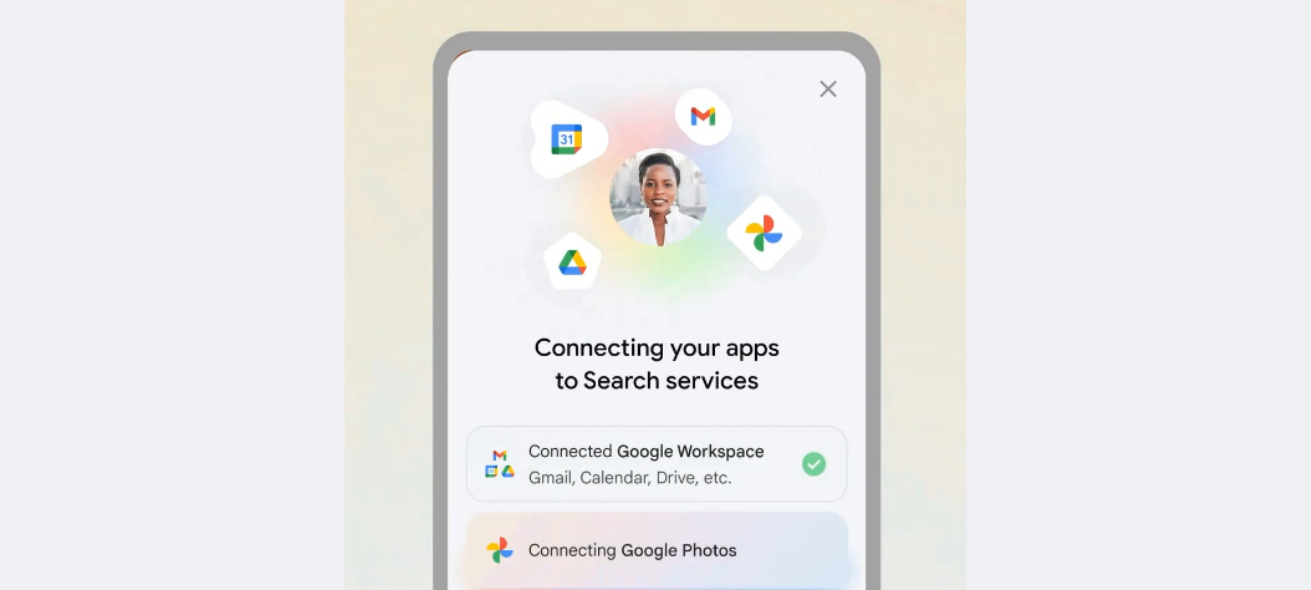
According to Google, the new capability is designed around three core principles: transparency, choice, and control. The feature allows AI Search Mode to connect with a user’s Gmail and Google Photos to deliver more personalized, context-aware responses. However, Google has made it clear that these connections are strictly opt-in.
Users can decide if, when, and whether they want to link their personal data — and they can turn the feature off at any time.
How Personal Intelligence Works
Personal Intelligence aims to make AI Search more useful by understanding a user’s real-world context. For example, with permission, AI Mode could:
- Reference past emails to help summarize travel plans
- Surface photos to answer questions about events or memories
- Provide more relevant responses based on personal history
Importantly, Google states that none of this happens by default. The system only accesses personal data when users actively enable the connection.
Privacy Comes First, Google Says
As AI tools become more deeply integrated into daily life, concerns around privacy and data usage have grown. Google’s messaging around Personal Intelligence appears designed to directly address those concerns.
The company says users remain fully in control:
More Read

- Data connections are optional
- Settings can be changed at any time
- Personal sources can be disconnected instantly
This approach aligns with Google’s broader effort to position AI as assistive rather than intrusive, especially as search evolves from keyword-based queries to conversational, AI-driven experiences.
Limited Rollout Through Google Labs
The ability to connect AI Search Mode with Gmail and Google Photos is launching as an experimental Labs feature.
For now, access is limited to:
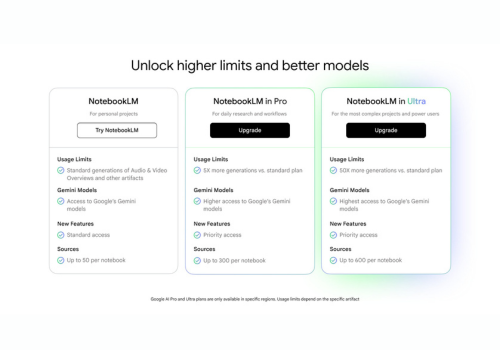
- Eligible Google AI Pro and Ultra subscribers
- English-language users
- Users located in the United States
Qualified users will automatically see the option as it becomes available, but participation remains optional.
Why This Matters
For users, this represents a potential shift in how search works — from answering generic questions to delivering deeply personalized insights.
For Google, it’s a balancing act.
The company is betting that personalization increases usefulness, but only if trust is preserved. By making Personal Intelligence opt-in and reversible, Google is attempting to avoid the backlash that often accompanies new data-driven AI features.
As AI-powered search becomes more capable — and more personal — control may prove to be its most important feature.