


In a landscape crowded with hyper-automated campaigns, generic AI copy, and deafening digital noise, creativity—far more than basic utility—has become what makes a business truly memorable. Today’s audiences are not suffering from a lack of information; they are drowning in over-choice and oversaturated feeds.
Two classic Austrian café concepts highlight how physical, experiential thinking transforms everyday consumer moments into organic marketing phenomena. In one case, an Austrian café reinvented the morning cappuccino by serving it inside a chocolate-lined waffle cone. An everyday commodity was immediately elevated into an Instagrammable, multisensory memory that prompted visitors to capture and share their visits organically across social platforms. In another café, patrons were greeted by a playful rule: visitors were required to smile before stepping inside. That single touchpoint reframed coffee from a routine commercial transaction into a shared burst of human warmth.
These experiential concepts emphasize a timeless reality:
- Transactions are forgotten, but feelings linger.
- Small, creative twists trigger massive organic word-of-mouth.
- Emotional resonance transforms passive buyers into passionate brand advocates.
However, experiential marketing in 2026 cannot stop at novelty. If an experience lives only as an isolated stunt, it evaporates without driving tangible pipeline or sustainable growth. To build lasting enterprise value, experiential ideas must be backed by rigorous positioning, customer-centric frameworks, disciplined content distribution, and measurable conversion loops. For brands interested in high-impact physical activations, reviewing the 15 Best Guerrilla & Outdoor Advertising Examples of 2025–26 provides a complementary look at unconventional street-level execution.
Below is an in-depth, actionable strategic playbook on how modern brands are merging experience-first ideas with high-converting marketing architectures to dominate their markets.
The Death of Commodity Marketing: Why Tools Are Just the Baseline
In 2025, the strategic playbook across most marketing organizations was simple: adopt generative AI, experiment rapidly, ship at scale, and accelerate output. But entering 2026, a fundamental bottleneck emerged: everyone adopted the exact same tools. Using AI is no longer a competitive edge; it is table stakes.
Feeds across LinkedIn, Instagram, and search engines have become homogenized. Audiences can spot AI-generated copy within three seconds—flagging the telltale emoji bullet lists, synthetically clean prose, and predictable hooks like “Here is what no one tells you…”.
According to HubSpot’s State of Marketing data:



- 52% of marketers report that AI has made content significantly easier to generate, but demonstrably less effective overall.
- 53% of marketing teams admit they struggle to differentiate their messaging in oversaturated feeds.
- 83% of marketers note that AI has dramatically increased internal pressure to publish higher volumes of content.
┌─────────────────────────────────────────────────────────────┐
│                 THE 2026 COMMODITY TRAP                     │
├─────────────────────────────────────────────────────────────┤
│  Commodity Execution:                                       │
│  Same Prompts ──> Generic Output ──> Ignored Content        │
│                                                             │
│  Experience-First Strategy:                                 │
│  Human Editorial Filter ──> Proprietary POV ──> Resonance   │
└─────────────────────────────────────────────────────────────┘
The friction of content creation has been removed, but in removing that friction, many teams eliminated the critical editorial filter that kept uninspired concepts from seeing the light of day. Output exploded, while brand resonance plummeted. Marketers looking to build intelligent operational leverage without diluting voice should consult the NotebookLM for Marketers: Complete Guide and curate from the Best AI Tools for Social Media Marketing to ground models in proprietary brand guidelines.
When tools are universal, human taste, perspective, and brand judgment become the actual product. The tools merely handle distribution and operational speed. Instead of relying on generative platforms for inspiration, high-performing teams treat AI as structural support:
- Prioritize Infrastructure Over Inspiration: Establish strict brand guidelines, detailed tonal constraints, and documented points of view before requesting a single draft.
- Enforce the Human Edit Rule: If an asset reads like a template that a generic influencer or competitor could publish, cut it. Audiences immediately tune out derivative messaging.
- Curate a Proprietary Prompt Library: When a structured workflow successfully mirrors your organization’s unique tone and strategic insight, institutionalize it.
The Core Foundation: Crafting an Unmistakable Offer and Positioning
Experiential marketing falls flat when the core value proposition is vague. You can deliver the most creative cappuccino or interactive brand activation in your vertical, but if consumers cannot instantly identify what you solve, they will bounce.
Data reveals that while over half of marketers recognize that communicating a unique point of view is mandatory for modern marketing to work, 40% of organizations still have not clearly documented their unique value proposition (UVP).
                     ┌──────────────────┐
                     │    THE OFFER     │
                     │  (Core Foundation│
                     │   & Scalability) │
                     └────────┬─────────┘
                              │
            ┌─────────────────┴─────────────────┐
            ▼                                   ▼
┌───────────────────────┐           ┌───────────────────────┐
│     NEW BUSINESS      │           │   EXISTING BUSINESS   │
│ Market-First Approach │           │  80/20 Customer Audit │
│ Find burning pains;   │           │ Isolate top 20% margin│
│ build targeted offer  │           │ and scalable offerings│
└───────────────────────┘           └───────────────────────┘
The Strategic Dilemma: Offer vs. Target Market
A classic debate persists in growth marketing: do you build an offer first and hunt for a market, or identify an audience and engineer a product to solve their headaches?
- For Early-Stage Businesses: Start with the target market. By embedding yourself among people you understand or have personally identified with, you can uncover their granular fears, objections, and priorities. Your offer can then be shaped directly around their unmet needs.
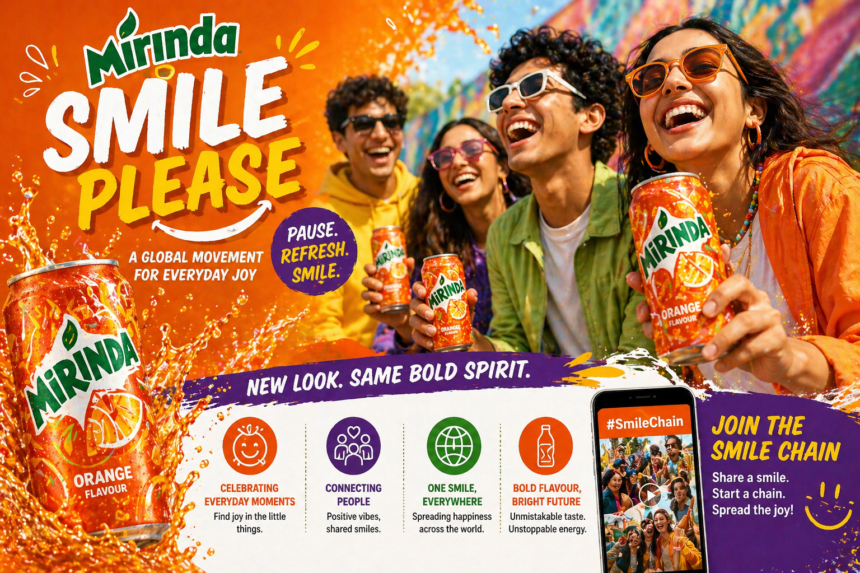
- For Established Businesses: Begin with the offer audit. Review existing revenue streams and execute an 80/20 analysis on your historical client roster. Which 20% of your buyers produce 80% of your operational profit and customer satisfaction? Strip away low-margin, high-friction distractions and focus your marketing on that single scalable, high-converting offer. For a masterclass in how a heritage brand aligned product differentiation with consumer culture, explore the Mirinda ‘Smile Please’ Rebrand Case Study.
The 5-Second Test and Brand Architecture
Confused prospects do not pull out credit cards. They leave. If an unfamiliar visitor lands on your digital storefront or physical installation and cannot decipher what you sell, whom it is for, and why it matters within five seconds, your conversion funnel is broken.
Consider iconic brands like Duolingo. Every customer touchpoint—from their mobile app push notifications to short-form videos and external advertising—is unmistakably tied to the exact same brand voice. If a piece of content does not reflect the personality of their mascot, it is never approved. Similarly, FMCG leaders manufacture distinct memory architecture across every campaign, a phenomenon detailed in the Parle Kaccha Mango Bite Advertising Analysis and the Cadbury 5 Star ‘Doing Nothing’ Case Study.
To build that degree of brand recognition:
- Run the 5-Second Test: Show your primary landing page or campaign asset to a neutral third party. If they cannot articulate your core solution within five seconds, strip out the buzzwords and rewrite it.
- Maintain Omnichannel Consistency: Ensure your social profile bios, digital ad hooks, direct-mail assets, and website headers deliver the same unified message. Consistency builds familiarity, and familiarity drives conversion.
- Optimize for Conversion, Not “Vibes”: Creativity must yield business impact. Track which specific positioning angles generate qualified inquiries, newsletter subscriptions, and pipeline, then double down on what moves the needle.
Deep Customer Empathy: Mapping Miracles, Miseries, and Intent
Customers do not buy when they understand what you do; they buy when they feel understood. True creative marketing bridges the emotional divide between an audience’s present frustration and their ideal outcome.
Every viable customer profile relies on three foundational layers:
- Demographics: Quantitative traits such as age brackets, job titles, income tiers, and industry verticals.
- Geographics: Regional, cultural, and localized environments that dictate how consumers interpret specific humor, idioms, and pain points.
- Psychographics: The underlying worldviews, core priorities, personal philosophies, and unvarnished beliefs that shape buying criteria.
                     THE PSYCHOGRAPHIC GAP

  CURRENT STATE                                      DESIRED STATE
┌────────────────┐                                ┌────────────────┐
│    MISERIES    │                                │    MIRACLES    │
│  • Pains       │  ════════════════════════════> │  • Aspirations │
│  • Anxieties   │         YOUR OFFER &           │  • Dreams      │
│  • Daily Frust-│      EXPERIENCE AS THE         │  • Concrete    │
│    rations     │            BRIDGE              │    Wins        │
└────────────────┘                                └────────────────┘
The Balance Between Miseries and Miracles
Within customer psychographics lies the interplay between Miseries and Miracles:
- Miseries: The friction, chronic anxieties, operational inefficiencies, and daily obstacles your audience actively wants to escape.
- Miracles: The aspirations, tangible milestones, status markers, and peace of mind they are racing to secure.
A marketing message built solely around optimism reads like unrealistic fluff. Without acknowledging a concrete friction point, a solution has no functional context. Conversely, campaigns that dwell exclusively on dread leave prospective buyers feeling exhausted and cynical.
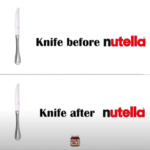
The purpose of experience-first marketing is to serve as the tangible bridge across this divide. When an audience sees their miseries articulated with emotional accuracy—and experiences a memorable, frictionless path toward their miracles—brand trust forms naturally. This balance mirrors how legacy consumer brands maintain multi-decade loyalty, as analyzed in the Nutella Market Strategy Breakdown.
Platform Selection: Escaping the “Marketing Wasteland”
A widespread mistake among modern operators is jumping onto every emerging platform without a strategic rationale. Chasing every new distribution channel without first identifying where your buyers spend their time leads straight into the Marketing Wasteland—a resource-draining space where you produce endless content for an audience that will never convert.
Marketing to “everyone” is marketing to no one. Diluting your voice across six distinct social networks creates bland, generic posts that get ignored. Instead, cross-reference your buyer personas with platform-specific demographic realities to find where your audience is genuinely present and active:
| Channel / Ecosystem | Primary Audience & Strategic Strengths | Core Marketing Function |
| B2B buyers, founders, enterprise decision-makers, industry professionals | Authority building, thought leadership, consultative client acquisition | |
| YouTube | Universal demographic reach; high-intent searchers and learners | Long-form depth, brand equity, persistent algorithmic shelf-life |
| Consumers aged 25–45; lifestyle, design, visual storytelling | Visual experiences, community touchpoints, direct audience interaction | |
| TikTok | Fast-growing Gen Z and Millennial base; culture-first creators | Broad organic discovery, rapid creative testing, high virality |
| Email & Newsletters | Direct, algorithm-proof channel; universal demographic usage | Relationship nurturing, conversion, long-term retention |
Rather than fracturing your bandwidth across multiple channels, identify the single platform where your highest-value prospects actively engage, dominate that environment, and direct that traffic into an ecosystem you own.
The Tripartite Content Engine: Balancing Discovery, Depth, and Ownership
High-performing brands do not treat content creation as a daily guessing game. They run an integrated Tripartite Content Engine where different formats perform specialized roles across the customer journey.
  DISCOVERY LAYER (Top of Funnel)
  Short-Form Video & Visual Moments (TikTok, Reels, Shorts)
  • Low-friction reach, immediate engagement, broad hooks
                 │
                 ▼  Traffic Handoff
  DEPTH LAYER (Middle of Funnel)
  Long-Form Audio & Video (Podcasts, YouTube, Long Guides)
  • Nuanced authority, sustained attention, trust compounding
                 │
                 ▼  Direct Lead Capture
  OWNED ECOSYSTEM (Bottom of Funnel)
  Email List & First-Party Community
  • Zero algorithmic volatility, systematic relationship nurture
The Nuance of Video Strategy
Video sits at the center of modern digital distribution. It translates emotional nuance, body language, and brand personality far more effectively than text or audio alone:
- Micro-Moments & Low-Friction Entry: You do not need cinema-grade cameras to launch. Candid, behind-the-scenes video updates shot on a smartphone regularly outperform over-polished commercial productions because audiences value authenticity over corporate sheen.
- Short-Form as the On-Ramp: Platforms like TikTok, Instagram Reels, and YouTube Shorts provide extraordinary top-of-funnel reach. However, short-form clips should not be tasked with carrying your entire business argument. Use them for hooks, cultural relevance, and discovery, then point viewers toward long-form educational assets.
- Long-Form Video Compounds Trust: HubSpot’s research reveals that while short-form video generates high initial returns, long-form video has driven some of the largest year-over-year gains in brand trust. Audiences do not develop deep brand conviction from a single 15-second soundbite. Lasting trust is built through long-form YouTube breakdowns, podcasts, and masterclasses where insights can unfold without algorithmic time limits.
Owned Channels: The Algorithm-Proof Asset
Publishing exclusively on third-party networks leaves your organization vulnerable to platform algorithm shifts. A creator or brand can boast hundreds of thousands of followers on social platforms and still struggle to drive revenue because reach can be throttled overnight.
This is why email remains the ultimate marketing vehicle. Every executive, creator, and consumer uses an inbox. Industry studies repeatedly show that email delivers between a 3,800% and 4,400% return on investment.
To turn casual social viewers into an owned audience:
- Provide a High-Value Lead Magnet: Give prospective buyers a compelling reason to subscribe—such as an actionable cheatsheet, specialized industry template, or private video breakdown.
- Maintain a Consistent Rhythm: Email your list at least once a week. Leaving a subscriber list silent for weeks leads to disengagement, lower open rates, and increased spam flags when you finally send a campaign.
- Close the Loop: Use social discovery channels to introduce your ideas, direct interested viewers to deep-dive resources, and use your newsletter to nurture those relationships into reliable buyers.
The Shifting Discovery Model: Preparing for AEO and Zero-Click Search
While organizations work to capture attention across social feeds, the organic search landscape is experiencing a massive transformation. The traditional model of typing a query into a search engine, scrolling through blue links, and visiting three different websites is declining rapidly.
Traditional Search Model (2020-2024):
Query ──> List of 10 Blue Links ──> Click Website ──> Browse Multiple Pages

Modern Discovery Model (2026):
Query ──> Generative AI Answer (Zero-Click) ──> Pre-Filtered High-Intent Action
Nearly half of marketers report that standard organic web traffic is dropping as AI-powered answer engines synthesize information directly on search result pages. Yet, this trend is not eliminating customer demand—it is filtering it.
Traffic originating from AI tools and conversational summaries arrives with significantly higher intent. Visitors are no longer casually browsing your site to learn the basics; they have already used AI engines to compare options, evaluate features, and review market consensus. By the time they land on your page, they are ready to make a decision.
To win in an environment shaped by Answer Engine Optimization (AEO):
- Optimize for Modern Research Hubs: Prospective customers form opinions inside AI summaries, social feeds, specialized communities, and third-party podcasts long before they search for your brand directly. If your business lacks a visible footprint across these cultural channels, you will not be cited by conversational AI engines.
- Deliver the Core Answer First: Skip fluffy introductions. Provide direct, authoritative, and practical solutions right at the start of your content. Both conversational AI engines and human readers reward clarity and efficiency.
- Design Landing Pages for Decision-Stage Traffic: Because incoming visitors have already completed foundational research, remove unnecessary site friction. Keep pricing, live product demonstrations, scheduling calendars, and clear calls to action visible without forcing visitors through complex navigation menus.
Operational Architecture: Funnel Engineering, CLV, and the Rapid Loop
A creative brand experience catches the eye, but an optimized funnel architecture secures the sale.
Relying on what can be called a “marketing plate”—directing all promotional traffic to a static homepage with no guided journey—wastes up to 98% to 99% of your hard-won visitors. Confused prospects do not search around your site to figure out what to do next; they simply hit the back button and buy from competitors who map out an intentional customer path.
                     FULL-FUNNEL CONVERSION LOOP

  [Top of Funnel]    Targeted Hook / Creative Experience (Video, Short Clip)
                            │
                            ▼
  [Lead Capture]     Compelling Value Exchange / Lead Magnet / Opt-in
                            │
                            ▼
  [Nurture Flow]     Automated Follow-Up / Value Sequence / Case Studies
                            │
                            ▼
  [Conversion]       High-Congruence Sales Page / Strategy Consultation
                            │
                            ▼
  [Expansion]        Post-Purchase Onboarding, Upsells, Retention Systems (CLV)
                            │
                            └──> Weekly Metric Audits & Rapid Live Tweaks
Engineering Your Marketing Funnel
Rather than building blindly forward, construct your customer journey by reverse-engineering your primary goal:
- Identify the target outcome (e.g., closing a consultative contract or selling an enterprise package).
- Determine what immediately precedes that outcome (e.g., a qualifying sales conversation or live product demonstration).
- Identify how that touchpoint is scheduled (e.g., an automated invite sent to engaged email subscribers).
- Map the asset that earns the initial subscription (e.g., a creative video breakdown or high-utility industry guide).
Once this journey is mapped, audit your metrics to fix drop-offs. If email opt-ins are strong but sales-page conversions remain flat, focus on improving your offer’s positioning or pricing clarity. If your initial sales call closes at only 1-in-5 instead of 1-in-2, refine your marketing materials to address customer objections before the call ever takes place. Small percentage lifts across each stage compound into substantial increases in overall revenue.
Expanding Customer Lifetime Value (CLV)
Real profitability is unlocked by maximizing Customer Lifetime Value (CLV). The cost of customer acquisition makes one-off sales an uphill battle. However, once you understand the true value a client brings over months or years, you can invest in more creative campaigns and higher-quality content production with total confidence.
Focus on systematically expanding CLV:
- Create upsells, complementary services, and recurring subscriptions that address the next hurdle your client faces once their initial problem is resolved.
- Provide proactive onboarding experiences that turn first-time buyers into loyal brand advocates.
- Remember: organizations achieve long-term scale in direct proportion to the size and importance of the problems they solve for their clients.
The HubSpot “Loop Marketing” Model: Rapid Iteration
Historically, marketing organizations operated on slow monthly or quarterly reporting cadences. A campaign launched, struggled for three weeks, and sat unchanged while teams waited for formal end-of-month reviews.
In modern marketing, that delay is fatal. The top-performing marketing teams do not rely on flawless upfront planning; they operate on rapid feedback loops. They evaluate operational metrics weekly—or even daily—and adjust live campaigns within hours.
  ┌────────────────────────────────────────────────────────┐
  │              THE RAPID ITERATION CYCLE                 │
  ├────────────────────────────────────────────────────────┤
  │                                                        │
  │     ┌───────────┐         ┌───────────┐                │
  │     │  LAUNCH   │ ──────> │   LEARN   │                │
  │     └───────────┘         └───────────┘                │
  │           ▲                     │                      │
  │           │                     ▼                      │
  │     ┌───────────┐         ┌───────────┐                │
  │     │  REPEAT   │ <────── │    FIX    │                │
  │     └───────────┘         └───────────┘                │
  │                                                        │
  └────────────────────────────────────────────────────────┘
- Consolidate Your Analytics: Eliminate the mess of checking ten disconnected dashboard tabs. Bring your email metrics, social channels, and web conversion data into a unified hub to spot shifts quickly.
- Shorten Your Testing Cycles: If an email subject line drives a surge of opens on Monday, repurpose that exact hook for your social ads on Tuesday.
- Optimize Live Assets First: Before burning resources to build entirely new initiatives from scratch, refine and optimize your active campaigns. Incremental improvements to live funnels compound far faster than endlessly starting over.
The Comprehensive 2026 Strategic Playbook
To bring these experiential concepts, positioning frameworks, and operational systems together into an actionable roadmap, execute the following step-by-step checklist across your team:
[Phase 1: Foundation]
  ├── Step 1: Run the 5-Second Positioning Test on all primary landing pages.
  └── Step 2: Conduct an 80/20 Offer Audit to isolate your most profitable, scalable solution.

[Phase 2: Audience Mapping]
  ├── Step 3: Document your target market's primary Miseries (pains) and Miracles (desires).
  └── Step 4: Audit social demographics; eliminate presence in unproductive platform channels.

[Phase 3: Content & Discovery]
  ├── Step 5: Implement the Tripartite Engine (Short-form reach ──> Long-form trust ──> Email).
  └── Step 6: Restructure written content for AEO (deliver direct, structured answers first).

[Phase 4: Funnel & Scale]
  ├── Step 7: Map your funnel in reverse to eliminate conversion gaps and drop-offs.
  ├── Step 8: Build an automated onboarding and upsell sequence to grow Customer Lifetime Value.
  └── Step 9: Establish weekly Loop Marketing reviews to iterate and optimize live assets.
- Audit Your Brand Clarity (The 5-Second Test): Show your primary assets to an unfamiliar audience. Ensure that your unique value proposition, target customer, and immediate benefits are clear within five seconds.
- Execute an 80/20 Offer Audit: Identify the 20% of your current services or products that generate 80% of your profits. Strip away confusing peripheral offers to present a clear, compelling core solution.
- Map the Psychographic Gap: Write down the five specific miseries your audience is trying to escape and the five distinct miracles they hope to achieve. Position your offer and brand experience as the clearest bridge between those two points[cite: 1].
- Cleanse Your Platform Distribution: Stop wasting creative resources on networks where your audience is inactive[cite: 1]. Double down on the one or two platforms where your buyers are engaged and direct that attention to your owned channels.
- Build the Tripartite Engine: Launch short-form video hooks for algorithmic discovery, long-form video or audio for trust building, and a dedicated newsletter for ongoing customer nurture.
- Re-Architect for AEO: Upgrade your online documentation, guides, and landing pages to answer core questions directly. Clear, upfront value positions your brand to be cited by generative AI search systems while serving high-intent buyers.
- Reverse-Engineer Your Conversion Funnel: Map every step of the buyer journey backward from final transaction to initial click[cite: 1]. Identify drop-off points, eliminate unnecessary form fields, and address objections early in your marketing materials[cite: 1].
- Drive Retention and CLV: Integrate post-purchase nurture sequences, cross-sells, and premium tiers to increase Customer Lifetime Value, giving your brand the margin needed to invest in high-impact creative marketing[cite: 1].
- Implement Weekly Iteration Loops: Replace slow, monthly reviews with dynamic weekly sprints. Analyze live engagement data, tweak headlines and hooks on active campaigns, and iterate continuously[cite: 2].
Conclusion: Evolving from Marketers to Experience Architects
The lessons from the Austrian cafés serving coffee in chocolate-lined cones or asking guests for a smile are more relevant today than ever. In an era where anyone can click a button to generate a flood of generic marketing copy, authentic creativity and human connection stand out dramatically[cite: 2].
┌─────────────────────────────────────────────────────────────┐
│                 THE STRATEGIC SHIFT                         │
├─────────────────────────────────────────────────────────────┤
│  Past Era:                                                  │
│  Generate More Volume ──> Chase Every Tool ──> Slow Audits  │
│                                                             │
│  Modern Era:                                                │
│  Deliver Memorable POV ──> Build Owned Trust ──> Fast Loops │
└─────────────────────────────────────────────────────────────┘
The future belongs to operators who treat marketing as an end-to-end customer experience. By combining bold creative twists with deep audience empathy, clear positioning, owned distribution engines, and fast-moving operational loops, your organization can break through digital noise and turn casual attention into sustained market leadership. Stop creating noise just because the tools make it easy[cite: 2]. Start architecting memorable experiences that make your brand impossible to forget[cite: 1, 2].
Sources & References
- Source 1: The Strategic Marketing Playbook (A Roadmap to Business Growth) – Comprehensive framework by Adam Erhart focusing on core offer formulation, ICA demographic/psychographic mapping (Miracles and Miseries), conversion funnel reverse-engineering, Customer Lifetime Value (CLV) scaling, and video-first distribution engines.
- Source 2: HubSpot 2026 State of Marketing Analysis – Key industry research and analysis presented by Bridget Oor, highlighting shifts in generative AI differentiation, Answer Engine Optimization (AEO), the Tripartite Content Model (short-form reach, long-form depth, owned email retention), and the Loop Marketing rapid iteration cycle.