







Recent reports from beta testers suggest that advertising-related code has appeared in experimental builds of the ChatGPT mobile app. While OpenAI has not officially announced any advertising rollout, the discovery has sparked industry-wide discussion about how conversational AI platforms might eventually approach monetization.
If implemented, advertising inside ChatGPT would represent a structural shift — not just for one platform, but for how large-scale AI systems are funded and maintained.
Why Monetization Questions Are Emerging Now
ChatGPT operates at massive global scale, serving hundreds of millions of users. Running advanced AI systems requires:
- High-performance compute infrastructure
- Ongoing model training and fine-tuning
- Security, moderation, and compliance systems
- Continuous product development
As usage grows, so do operational costs.
Historically, digital platforms at scale converge toward one of three monetization models:
- Subscriptions
- Enterprise licensing
- Advertising
OpenAI already offers paid plans alongside a free tier. The appearance of ad-related code has led observers to speculate about a hybrid structure — free access supported by advertising, with paid tiers remaining ad-free.
Importantly, no official change has been confirmed. But the conversation itself reflects a broader reality: AI platforms must balance accessibility with sustainability.
How Advertising in AI Would Differ From Traditional Search
Conversational AI doesn’t operate like a search engine results page.


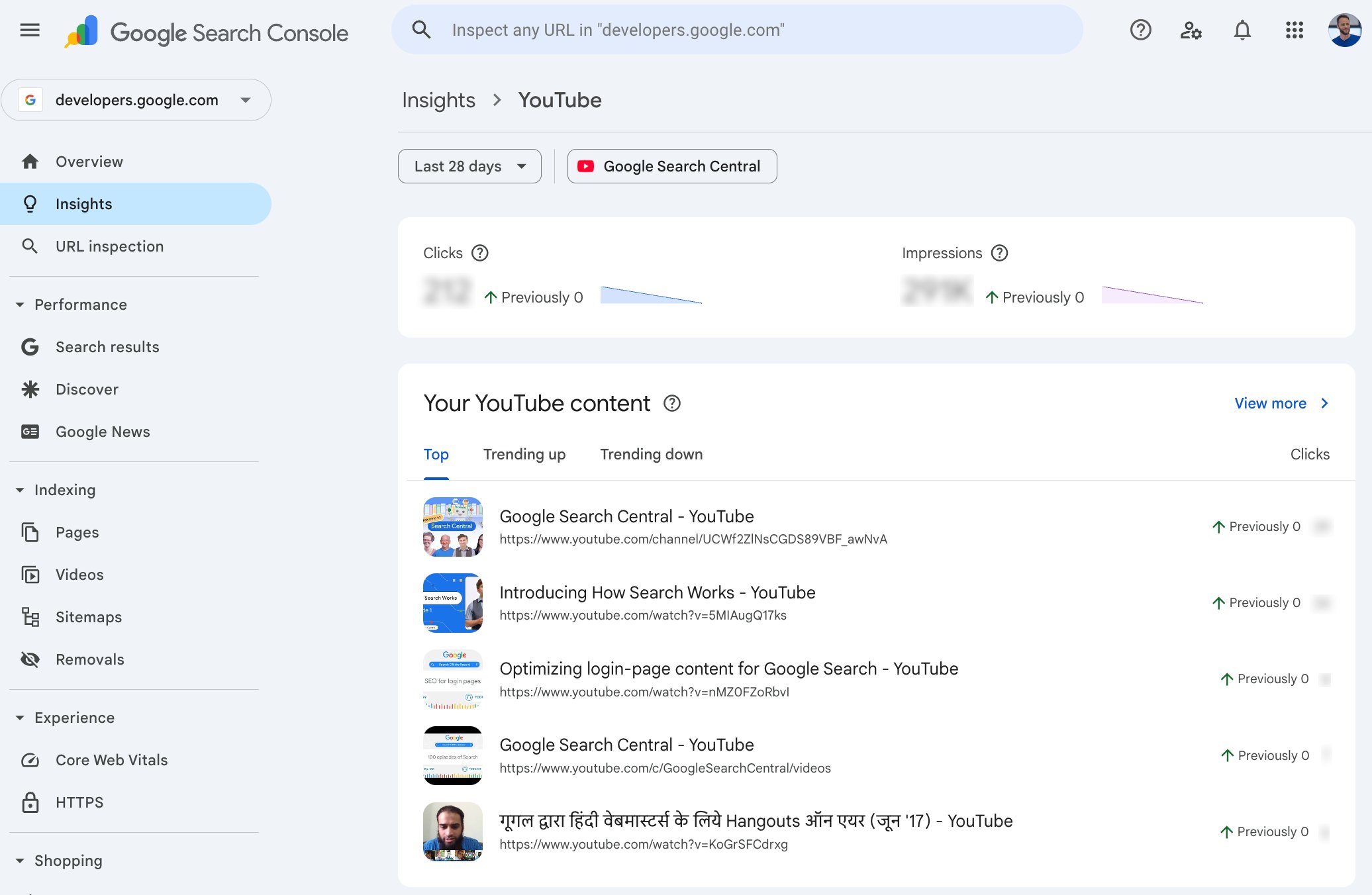
There are no:
- Blue link lists
- Banner ad slots
- Sidebar display units
Instead, the system generates direct answers. That changes the mechanics of monetization.
If advertising were introduced, it would likely take more integrated forms, such as:
- Clearly labeled sponsored product suggestions
- Promoted services within relevant responses
- Contextual commercial integrations tied to user queries
For example, if a user asks for laptop recommendations, a sponsored device might appear — provided transparency is maintained.
Because responses are synthesized rather than listed, design clarity becomes critical. The distinction between organic output and paid placement must be unmistakable.
The Trust Question
Trust is foundational to AI assistants.
Users interact with conversational systems differently than with traditional ads. They often assume neutrality in generated responses. Introducing commercial incentives into that dynamic raises key considerations:
- How prominently would sponsored content be labeled?
- Would advertisers influence ranking or tone?
- Could recommendations remain unbiased?
- Would paid placements alter response framing?
In conversational interfaces, subtle influence can feel more intrusive than visible ads. That makes transparency standards even more important.
Monetization decisions won’t just affect revenue — they’ll shape perception.
Why This Reflects a Broader Industry Shift
The debate extends beyond one company.
Across the industry, AI platforms are experimenting with sustainable business models as conversational interfaces begin handling:
- Product discovery
- Research and comparison queries
- Shopping assistance
- Service recommendations
As AI absorbs tasks traditionally handled by search engines, the economic model of discovery itself may evolve.
If conversational AI becomes a primary gateway for information and commerce, monetization will inevitably follow. The question isn’t whether revenue models will exist — but how they will be implemented responsibly.
Hybrid Models: A Likely Path?
One plausible outcome is segmentation:
- Free tier supported partially by advertising
- Premium tiers offering ad-free experience
- Enterprise plans remaining commercial-free
This structure mirrors established digital platform strategies. It preserves accessibility while monetizing scale.
However, AI differs from social feeds or search listings. The intimacy of conversational interaction raises higher expectations around neutrality and clarity.
Execution will matter more than structure.
The Strategic Trade-Off
AI platforms face a fundamental balancing act:
- Maintain trust
- Sustain infrastructure costs
- Preserve neutrality
- Enable innovation
Over-monetization risks eroding user confidence. Under-monetization risks limiting platform growth and accessibility.
The long-term viability of AI assistants depends on getting that balance right.
Final Takeaway
Reports of advertising-related code in beta builds have triggered a broader conversation about the future economics of conversational AI. While no official rollout has been confirmed, the discussion highlights a turning point.
As AI assistants increasingly shape how people search, shop, and decide, monetization choices will influence more than revenue. They will influence trust, transparency, and the role AI plays in everyday life.
The next phase of AI evolution may not be defined solely by model improvements — but by how responsibly platforms integrate business models into human conversations.